
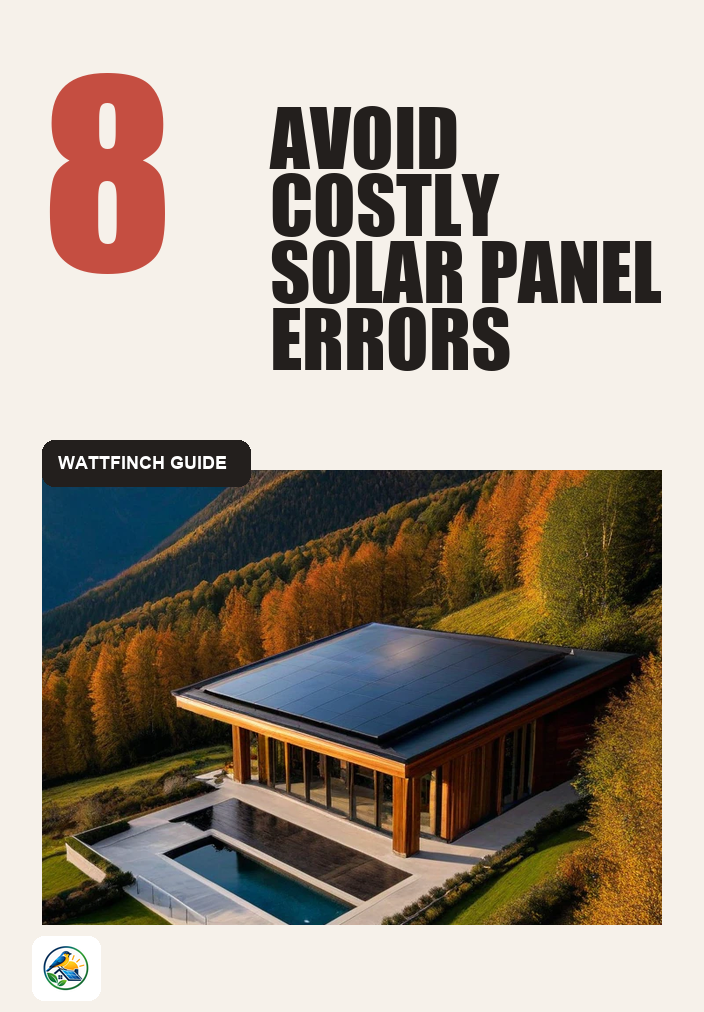
Understanding Common Mistakes with Solar Panels for Ranch Houses
As a homeowner considering solar panels for your ranch house, it’s vital to be informed about the potential pitfalls of going solar. While solar energy can offer significant benefits, mistakes during planning and installation can lead to unexpected costs, inefficiencies, and even safety concerns. Below, we outline common mistakes to avoid, ensuring that your transition to solar is as smooth and beneficial as possible.
Overlooking Roof Condition
Your roof’s condition is a crucial factor when considering solar panels. Many homeowners make the mistake of installing solar systems on roofs that are aging or in disrepair. Before installation, assess the following:
- Age of the Roof: If your roof is nearing the end of its life, it may be wise to replace it before installing solar panels.
- Roof Material: Different materials have varying lifespans and may affect installation. Ensure your roofing material can support solar panel installation.
- Structural Integrity: Look for signs of damage or wear, such as sagging or leaks. A professional inspection can help determine if repairs are needed.
Ignoring Shade Analysis
Shade can significantly reduce the efficiency of solar panels. It’s a common misconception that solar panels will work well in any location, regardless of shade. Here are key considerations:
- Tree Coverage: Trees or neighboring buildings can cast shadows on your panels. Conduct a shade analysis to understand the sun’s path across your property.
- Seasonal Changes: Remember that shading can change with the seasons. Evaluate how surrounding foliage may block sunlight at different times of the year.
- Panel Placement: Work with your installer to position panels where they receive maximum sunlight throughout the day.
Neglecting System Size and Energy Needs
Determining the right size for your solar panel system is essential. Many homeowners either underestimate or overestimate their energy needs. Here’s how to avoid common sizing mistakes:
- Review Energy Bills: Analyze your past electricity bills to understand your average consumption. This will help you gauge the amount of energy you need to generate.
- Future Needs: Consider any potential changes in your energy usage. For instance, if you plan to add electric vehicles or expand your home, factor these changes into your calculations.
- Consult Professionals: A qualified installer can help you size your system appropriately based on your specific needs and local conditions.
Misunderstanding Grid-Tied vs. Off-Grid Systems
Homeowners often confuse grid-tied systems with off-grid systems, leading to mismatched expectations. Here’s a breakdown:
- Grid-Tied Systems: These systems are connected to the utility grid, allowing you to draw power when solar production is low and sell excess energy back to the grid. They are generally more affordable and simpler to install.
- Off-Grid Systems: These systems are independent of the grid, requiring battery storage to provide power. They are more complex and costly, making them suitable primarily for remote locations.
Understanding which system is right for you depends on your location, energy needs, and preferences for energy independence.
Not Considering Battery Backup
With the increasing popularity of home battery systems, many homeowners overlook this option when planning their solar installation. Here’s what to think about:
- Energy Resilience: A battery backup can provide power during outages, which can be especially important for ranch houses in remote areas.
- Cost vs. Benefit: Evaluate whether the added cost of a battery system aligns with your energy needs and budget. Batteries can enhance energy independence but may not be necessary for everyone.
- Battery Lifespan: Consider the lifespan and maintenance required for battery systems. Understanding these factors can help you make a more informed decision.
Failing to Research Local Incentives and Regulations
Many homeowners miss out on valuable incentives or run into regulatory issues due to a lack of research. Pay attention to the following:
- Incentives: Check for local, state, and federal incentives that may apply to your solar installation, as these can vary significantly.
- Permitting Process: Understand the permitting requirements in your area. Some regions have specific regulations that can delay installation if not properly addressed.
- Utility Policies: Familiarize yourself with your utility’s net metering policies. Knowing how your utility handles excess energy can influence your system design.
Choosing the Wrong Installer
The installation process is crucial to the success of your solar project. Many homeowners rush to choose an installer based on price alone, which can lead to poor outcomes. Consider the following when selecting an installer:
- Experience and Reviews: Look for installers with a proven track record and positive customer feedback.
- Licensing and Certifications: Ensure that the installer is licensed and certified to perform work in your area.
- Itemized Quotes: Ask for detailed, itemized quotes from multiple installers. This will help you compare costs and understand what you’re paying for.
Next Steps: Making Informed Decisions
Transitioning to solar can be a rewarding investment, but it requires careful planning and consideration. To avoid common mistakes, take the following steps:
- Assess your roof condition and energy needs.
- Conduct a shade analysis and choose the right system type.
- Research local incentives and regulations.
- Gather itemized quotes from qualified installers to make informed comparisons.
By being proactive and informed, you can successfully navigate the complexities of solar panel installation for your ranch house and make decisions that suit your unique situation.


















