
Understanding Solar Costs for Your 2000 Square Foot Home
If you’re considering installing solar panels on your 2000 square foot home, you might be surprised to learn that the costs can be more manageable than you expect. While solar energy systems can represent a significant investment, various factors can influence the overall expense, making it a viable option for many homeowners. In this article, we’ll explore the essential aspects of solar installation costs, potential savings, and considerations to help you make an informed decision.
Initial Cost Factors for Solar Installation
When assessing the cost of installing solar panels, several key factors come into play:
- System Size: The size of the solar system typically correlates with your energy needs. For a 2000 square foot home, a system might range from 5 kW to 10 kW, depending on your energy consumption and local sunlight availability.
- Equipment Quality: The type of solar panels, inverters, and mounting systems can vary significantly in price. Higher-efficiency panels may cost more upfront but could yield better energy production.
- Installation Costs: Labor costs can differ based on location and installer experience. Professional installation is recommended to ensure safety and compliance with local codes.
- Permitting and Inspection Fees: Local regulations may require permits, which can add to the initial cost. Familiarizing yourself with these requirements can help avoid unexpected expenses.
Potential Savings and Incentives
While the up-front cost may seem daunting, various incentives and savings opportunities can make solar more affordable:
- Federal Tax Credit: Homeowners may be eligible for a federal tax credit for solar installations. However, verify the current percentage and details, as these can change over time.
- State and Local Incentives: Many states offer additional rebates or incentives for solar installation. Researching local programs can uncover significant savings.
- Net Metering: This arrangement allows homeowners to receive credits for excess energy produced by their solar system. If you produce more energy than you consume, these credits can offset future utility bills.
Understanding Your Energy Needs
Calculating your energy consumption is a crucial step in determining the size of the solar system you need. Here’s how to get started:
- Review Your Utility Bills: Look at your electricity bills for the past year. Find your average monthly usage in kilowatt-hours (kWh).
- Consider Seasonal Variations: Energy usage may fluctuate with seasons, so factor in any peaks or troughs in your consumption.
- Evaluate Future Changes: Are you planning to add energy-consuming appliances or an electric vehicle? Consider these changes in your calculations.
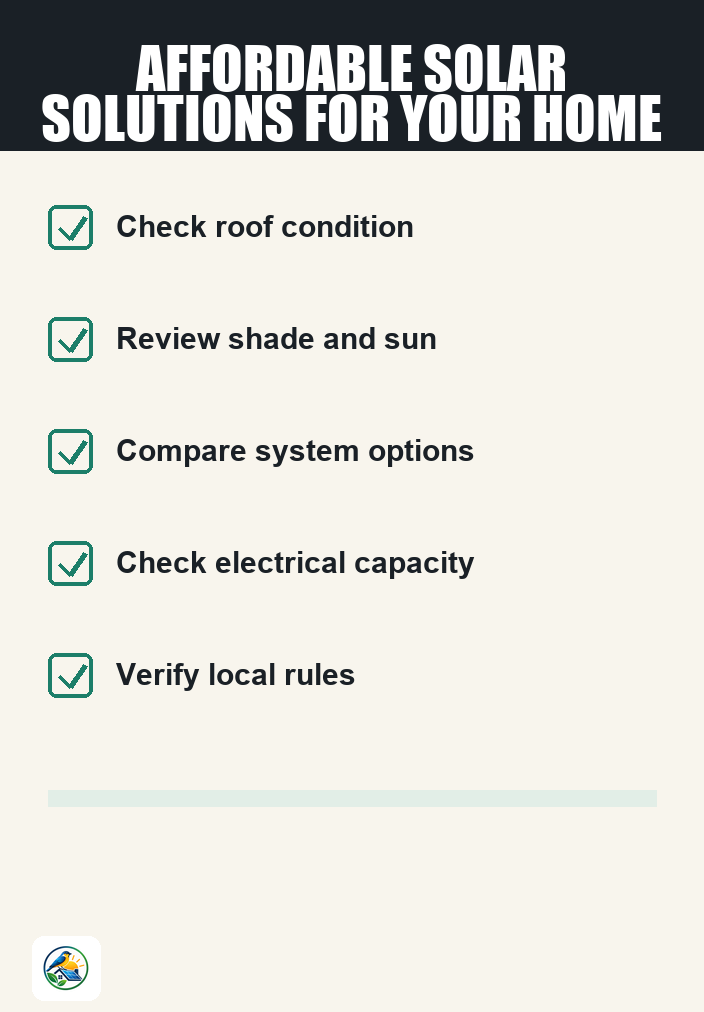
Key Considerations Before Installing Solar
Before making a decision, several factors should be carefully considered:
- Roof Condition: Ensure your roof is in good condition before installation. If it needs repairs or replacement, tackle those issues first to avoid additional costs later.
- Shade and Orientation: The orientation of your roof and any shading from trees or buildings can significantly affect solar production. A site assessment from a professional can help determine the best setup.
- Electrical Upgrades: Your electrical system may require upgrades to handle the new solar system. Evaluate your current setup and consult with an installer to identify potential costs.
- Battery Backup Options: If you’re considering adding a battery backup for energy storage, factor in the additional costs. Batteries can enhance energy independence but add complexity and expense to the installation.
Comparing Quotes from Qualified Installers
Once you’ve assessed your needs and considered the factors above, obtaining quotes from qualified installers is the next logical step. Here are tips for making the most out of your quotes:
- Itemized Estimates: Request detailed, itemized quotes that break down costs for equipment, installation, permits, and any additional services.
- System Design: Ensure each quote includes a breakdown of the proposed system size and design based on your energy needs.
- Warranties and Maintenance: Ask about warranties on equipment and installation as well as any maintenance plans offered.
- Experience and References: Inquire about the installer’s experience, particularly with homes similar to yours, and ask for references from previous customers.
Next Steps
Installing solar on your 2000 square foot home might cost less than you think, especially when you consider available incentives and long-term savings. However, your decision should be grounded in thorough research and a clear understanding of your specific situation. Assess your energy needs, evaluate your roof’s condition, and compare quotes from qualified installers to make an informed choice. Each home is unique, and professional guidance can help you determine the best solar solution for your circumstances.


















