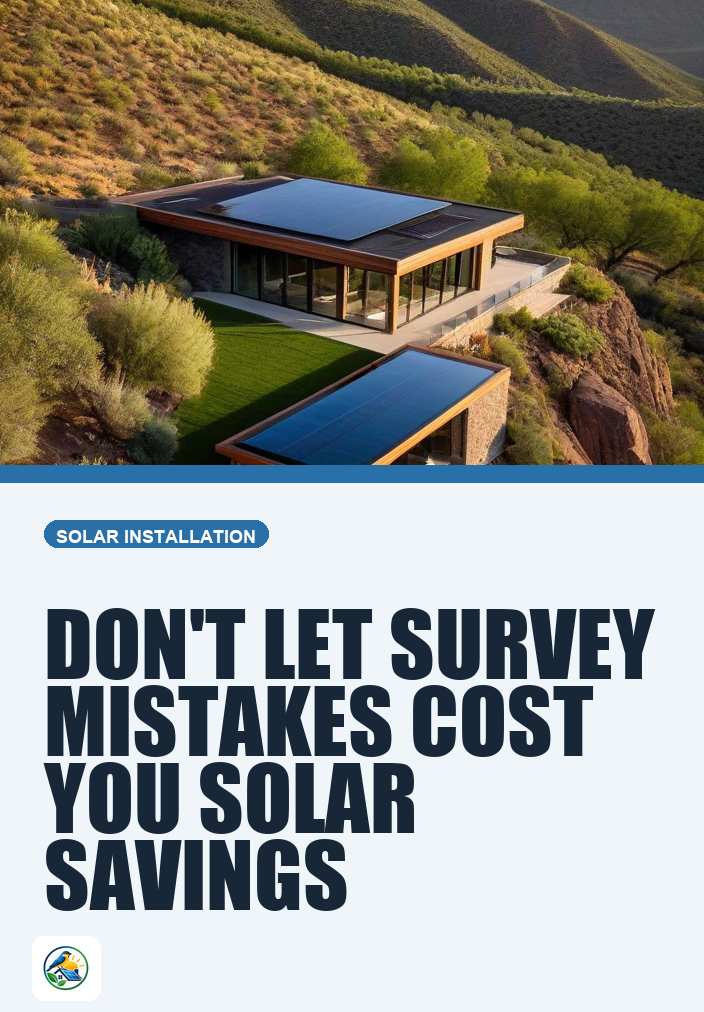
Understanding the Optimal Timing for Solar Panel Installation
Choosing the right time for solar panel installation is crucial for maximizing the benefits of your investment. Factors such as seasonality, weather conditions, and local incentives can significantly impact your experience. Understanding these elements can help you make an informed decision.
Seasonal Considerations
The time of year you choose for installation can affect both the process and your eventual energy savings. Here are some seasonal factors to consider:
- Spring: Often considered the ideal season for solar installation, spring typically offers moderate weather conditions. This can lead to efficient installation processes. Additionally, many homeowners are looking to take advantage of summer energy production.
- Summer: While summer may provide optimal sunlight for energy production, high temperatures can sometimes slow the installation process. However, if you install during this time, you’ll be ready to generate energy for the peak demand months.
- Fall: Early fall can also be a favorable time to install solar panels. Temperatures are cooler, and you can take advantage of energy generation as winter approaches.
- Winter: While installation is possible, winter weather can complicate the process, leading to delays. However, if you live in a milder climate, winter installations may still be feasible.
Evaluating Your Location and Roof Conditions
The physical characteristics of your home, including roof condition and orientation, are critical for a successful solar panel installation. Here’s what to keep in mind:
Roof Condition
Your roof needs to be in good shape before installing solar panels. If your roof is nearing the end of its lifespan or requires repairs, it may be wise to address these issues first. Here are some considerations:
- Age of the Roof: If your roof is more than 15-20 years old, consider replacing it before installation.
- Material: Different roofing materials have varying durability and compatibility with solar panels. Tile, metal, and asphalt shingles are typically good candidates.
- Structural Integrity: Ensure your roof can support the weight of solar panels without compromising safety.
Roof Orientation and Shade
The orientation of your roof plays a significant role in solar energy production. Ideally, a south-facing roof receives the most sunlight. However, east and west orientations can also be effective. Here’s how to evaluate your roof:
- Shade Analysis: Assess any trees, buildings, or structures that might cast shadows on your roof during peak sunlight hours.
- Angle of Roof: A roof with a steep angle may capture sunlight more effectively than a flat roof.
Understanding Local Incentives and Regulations
Local regulations and incentives can significantly impact your decision regarding solar installation. Understanding these elements is essential for a successful project.
Incentives
Many states and local municipalities offer incentives for solar installations, including tax credits, rebates, and grants. However, these incentives can vary widely. Here’s what to do:
- Research Local Incentives: Check with your state’s energy office or local utility provider to discover available incentives.
- Consider Timing: Some incentives may have deadlines for applications, so plan your installation accordingly.
Permitting and Interconnection
Before installation, you’ll need to obtain the necessary permits and ensure your system can connect to the grid. This process can vary by location:
- Permitting: Check local building codes and zoning regulations. Some areas may require specific permits for solar installations.
- Interconnection Rules: Understand your utility’s interconnection policies to ensure a smooth connection to the grid.
Choosing Between Grid-Tied, Battery Backup, and Off-Grid Systems
When deciding on your solar setup, you’ll face choices between grid-tied systems, battery backup, and off-grid systems. Each has its own considerations:
Grid-Tied Systems
Grid-tied solar systems are the most common residential option. They allow you to draw electricity from the grid when your panels aren’t producing enough power.
- Pros: Typically lower installation costs, no need for battery storage, and the ability to sell excess energy back to the grid.
- Cons: You rely on the grid during outages, which may not be ideal for all homeowners.
Battery Backup
Adding a battery backup system allows you to store excess energy generated during the day for use at night or during outages.
- Pros: Increased energy independence and reliability during outages.
- Cons: Higher upfront costs and maintenance requirements.
Off-Grid Systems
Off-grid systems are entirely independent of the utility grid and require larger battery banks to supply power.
- Pros: Complete energy independence and sustainability.
- Cons: High installation and maintenance costs, and potential limitations on energy use.
Next Steps: Preparing for Your Solar Installation
As you consider solar panel installation, it’s essential to take the necessary steps to ensure you make a well-informed decision:
- Research Local Installers: Look for qualified solar installers in your area and check their credentials and reviews.
- Get Multiple Quotes: Obtain itemized quotes from different installers to compare pricing and services.
- Verify Information: Before making any commitments, verify the current local utility, installer, government, and tax information related to solar incentives and regulations.
Choosing the right time and place for your solar panel installation involves careful consideration of your home’s characteristics, local incentives, and your energy needs. By doing thorough research and preparing adequately, you can make a choice that aligns with your goals for renewable energy.