
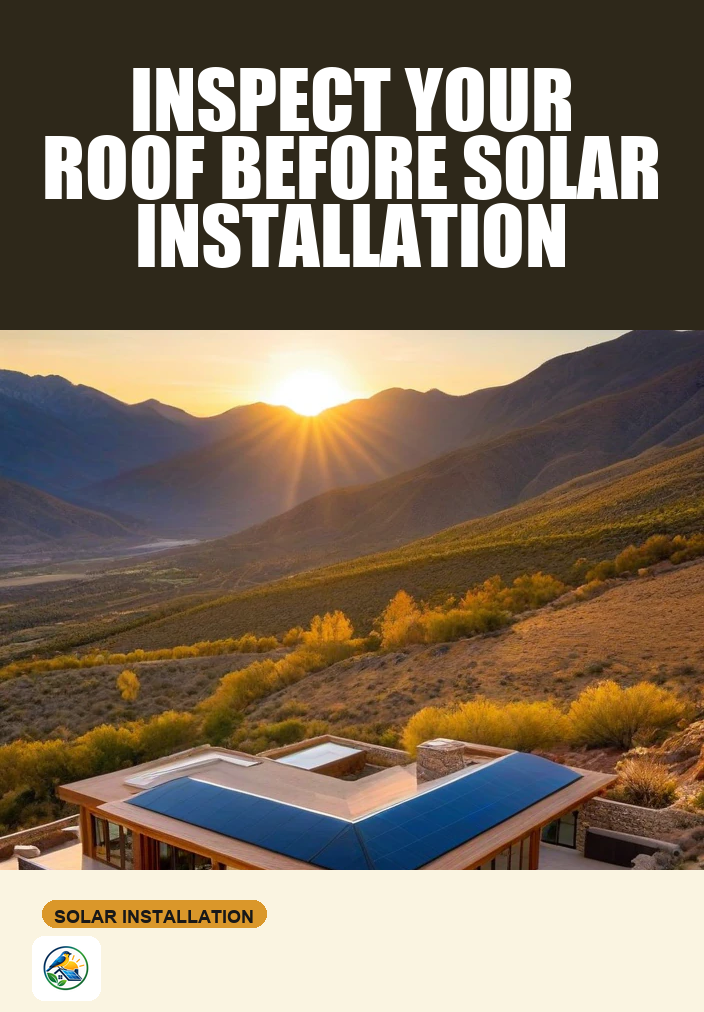
Understanding Roof Inspection Essentials for Solar Installation
As a homeowner considering a solar installation, one of the most critical steps in the process is the assessment of your roof. A thorough roof inspection can reveal essential details about its suitability for solar panels, ensuring that your investment is sound and that you maximize the potential benefits of solar energy. This article will guide you through the key aspects of roof inspections, what to look for, and how to proceed with your solar energy journey.
The Importance of a Roof Inspection
Before diving into the specifics of solar installation, it’s crucial to understand why a roof inspection is necessary. A roof that is in poor condition may not only hinder the effectiveness of solar panels but can also lead to costly repairs or replacements in the future. Here are a few reasons why a roof inspection is essential:
- Structural Integrity: Ensuring the roof can support the weight of solar panels is vital.
- Longevity: A new roof may be required before solar installation, ensuring that you won’t need to remove panels for repairs.
- Orientation and Shade: A roof inspection can help determine the best placement for solar panels based on sun exposure.
What to Look for During a Roof Inspection
When assessing your roof for solar installation, homeowners should focus on several key factors:
1. Roof Age and Condition
The age of your roof is a crucial consideration. Many roofing materials have lifespans ranging from 15 to 50 years. If your roof is nearing the end of its lifespan, it may be wise to replace it before installing solar panels. Look for:
- Visible signs of damage, such as missing or curled shingles
- Leaks or water stains in the attic
- Cracked tiles or damaged flashing
2. Roof Material
The type of roofing material can impact the installation of solar panels. Common materials include:
- Asphalt Shingles: Generally compatible with solar panels and commonly used.
- Metal: Excellent for solar installation due to durability and longevity.
- Tile: Requires specific mounting techniques; ensure it’s in good condition.
- Flat Roofs: Can accommodate solar panels but may require additional considerations for drainage.
3. Roof Structure and Pitch
The pitch of your roof can affect the solar panel installation. A steeper pitch may require additional safety measures and specific mounting solutions. Ensure your roof has:
- A stable frame and no sagging
- Proper drainage to prevent water pooling
4. Orientation and Shading
The orientation of your roof plays a significant role in the efficiency of solar panels. South-facing roofs typically receive the most sunlight, while east and west orientations can also be effective. Factors to consider include:
- Nearby trees or buildings that may cast shade on the roof
- Seasonal changes that could affect sunlight exposure
Working with Professionals
While homeowners can conduct a preliminary roof inspection, it’s often beneficial to consult with a professional roofing contractor or a solar installer. Here’s why:
- Expert Evaluation: Professionals can better assess the structural integrity and condition of your roof.
- Installation Considerations: They can provide insights into the best mounting options and any necessary upgrades.
- Permitting and Compliance: Professionals are knowledgeable about local permitting requirements and can help ensure your installation meets all regulations.
Common Constraints and Considerations
It’s essential to recognize that not every roof is ideal for solar panels. Here are some constraints to consider:
- Roof Condition: A compromised roof may require repairs or replacement before installation.
- Shade Issues: Trees or neighboring structures may limit solar exposure, affecting energy production.
- Electrical Upgrades: Older homes may need electrical system upgrades to handle solar energy.
- Local Permitting Rules: Each locality has different regulations that can impact installation.
- Future Plans: Consider whether you plan to make modifications to your roof or home that would affect the solar system.
Next Steps for Homeowners
Once you have assessed your roof and gathered the necessary information, the next step is to obtain quotes from qualified solar installers. Here are a few practical steps to follow:
- Research and compile a list of local solar installers.
- Request detailed, itemized quotes that cover installation, equipment, and any additional costs.
- Compare the quotes carefully, focusing on the scope of work, warranties, and customer reviews.
- Verify local incentives and financing options to understand the total cost of ownership.
In conclusion, a thorough roof inspection is a critical component of solar installation for homeowners. By understanding your roof’s condition, materials, and orientation, you can make informed decisions that will lead to successful solar energy integration. Always consult with professionals to ensure your solar journey starts on a solid foundation.


















