
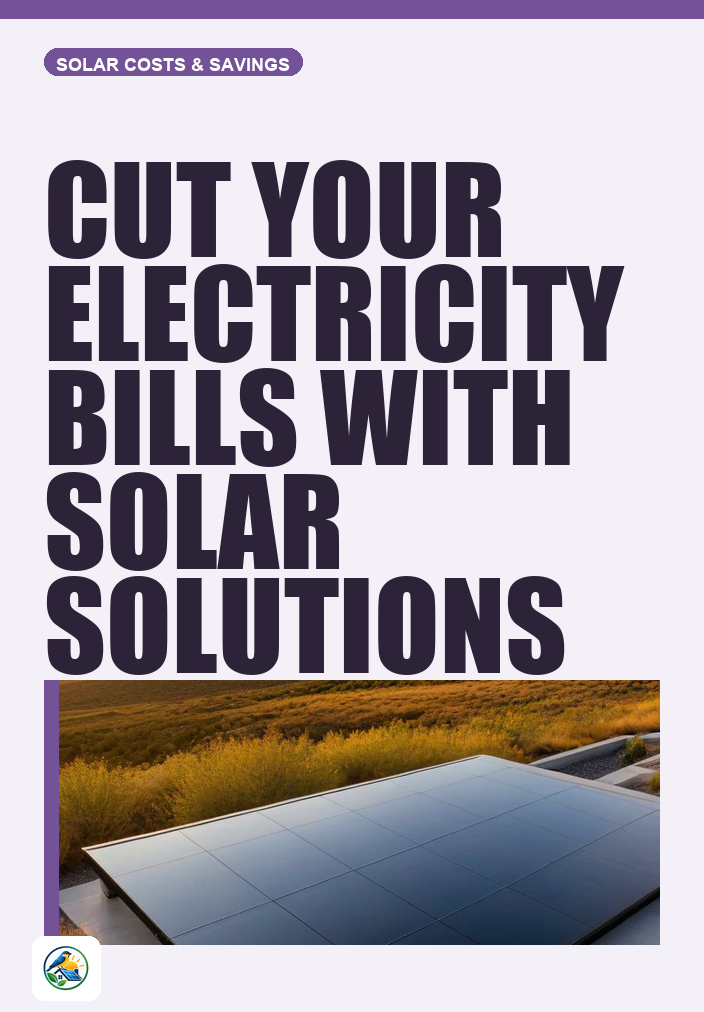
Understanding Your Electricity Bills and Solar Options
As electricity bills rise, many homeowners are exploring solar energy as a way to reduce costs. However, choosing the right solar solution can be complex, and it’s essential to consider various factors that impact your decision. This article will guide you through the steps to select a solar system that aligns with your specific needs and circumstances.
Assess Your Current Energy Usage
Before diving into solar options, it’s crucial to understand your current energy consumption. Your electricity bill provides a wealth of information about your usage patterns.
- Identify Peak Usage: Look for the months when your energy consumption tends to spike. This can help you understand when you need the most power.
- Calculate Average Monthly Usage: Find the average kilowatt-hours (kWh) you use each month. This number will be critical when sizing your solar system.
- Consider Future Changes: Are you planning any lifestyle changes, like adding an electric vehicle or home office? Factor in these potential increases in your energy needs.
Explore Different Solar System Types
Solar solutions can vary significantly based on your needs and preferences. Here are the main types to consider:
Grid-Tied Solar Systems
Grid-tied systems are the most common residential solar setups. They connect directly to the utility grid, allowing you to draw power when your solar panels aren’t producing enough energy.
- Pros: Generally more affordable than other systems, they offer net metering benefits, allowing you to receive credits for excess energy produced.
- Cons: If the grid goes down, so does your power. This is not ideal if you live in an area prone to outages.
Battery Backup Systems
Adding a battery to your solar system allows you to store excess energy for use during outages or peak demand times.
- Pros: Provides energy security and can help optimize your energy use by storing power when rates are low.
- Cons: Batteries can significantly increase upfront costs and may require more maintenance.
Off-Grid Systems
Off-grid systems are entirely independent of the utility grid, relying solely on solar energy and battery storage.
- Pros: Ideal for remote locations or those wanting complete energy independence.
- Cons: High initial costs and the need for careful energy management.
Evaluate Roof and Property Considerations
Your home’s physical attributes play a significant role in determining the feasibility of solar installation.
- Roof Condition: Ensure your roof is structurally sound. If it needs repairs or replacement, handle that before solar installation.
- Orientation and Tilt: South-facing roofs generally receive the most sunlight. East and west are also viable, but with slightly less efficiency.
- Shade Analysis: Trees, buildings, and other obstructions can impact solar production. Conduct a shade analysis to determine the best placement for panels.
Understand Local Regulations and Incentives
Solar installations are subject to various local regulations, incentives, and permitting processes. It’s important to research:
- Permitting Requirements: Check with your local municipality for any permits or inspections needed for installation.
- Incentives and Rebates: Some states and local governments offer financial incentives for solar installations. Verify these offers through local government or utility websites.
- Net Metering Policies: Understand how your utility handles net metering and what compensation you might receive for excess energy sent back to the grid.
Comparing Quotes from Installers
Once you’ve narrowed down your options, it’s time to get quotes from qualified solar installers. Here’s how to make the most of this process:
- Seek Multiple Quotes: Aim for at least three quotes to compare pricing and services. This helps ensure you find a fair market rate.
- Itemized Estimates: Request detailed, itemized estimates. This should include costs for equipment, installation, permits, and any additional fees.
- Evaluate Installer Credentials: Check the experience, reviews, and certifications of potential installers. A reputable installer will have a solid track record.
Making Your Decision
Choosing the right solar solution requires careful consideration of your energy usage, property characteristics, system types, local regulations, and installer qualifications. Start by assessing your needs and preferences, then gather detailed quotes to make an informed choice.
Next Steps for Homeowners
As you explore the potential for solar energy, remember to:
- Assess your energy usage and future needs.
- Consider the type of solar system that fits your lifestyle.
- Research local regulations and incentives thoroughly.
- Collect and compare itemized quotes from qualified installers.
By taking these steps, you will be well-equipped to choose a solar solution that helps manage your electricity bills effectively while meeting your long-term energy goals.


















