
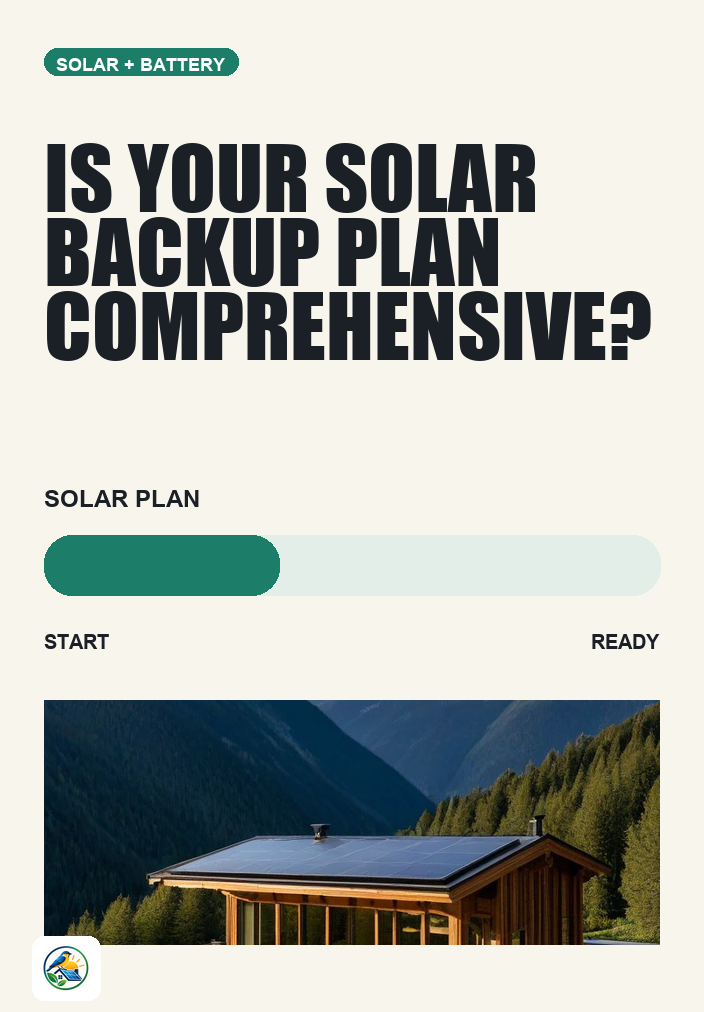
Understanding Whole Home vs. Essential Load Backup for Solar Energy
As more U.S. homeowners consider the transition to solar energy, one essential aspect to evaluate is the type of backup support you might need for your system. The choice between whole home backup and essential load backup can significantly impact your energy resilience, installation costs, and overall satisfaction with your solar investment. This article will break down these two options, helping you understand their differences, advantages, and considerations.
What is Whole Home Backup?
Whole home backup means that your solar energy system and battery storage can power your entire home during an outage. This option allows you to use all your appliances, lighting, and electronics as you normally would. It’s ideal for homeowners who want to maintain their lifestyle without disruption, even when the grid goes down.
Advantages of Whole Home Backup
- Uninterrupted Power: You can continue using all your devices and appliances without having to prioritize which ones to keep running.
- Comfort and Convenience: Your home remains a comfortable environment, with heating, cooling, and refrigeration unaffected.
- Increased Resilience: This option provides peace of mind, especially in areas prone to frequent outages or severe weather.
Considerations for Whole Home Backup
While whole home backup offers numerous benefits, there are also important factors to consider:
- Higher Costs: Installing a system that supports your entire home typically requires a larger battery capacity and more solar panels, resulting in a higher upfront investment.
- Complexity: Whole home systems can be more complex to install and require careful planning to ensure that all electrical systems are compatible.
- Space Requirements: You may need additional space for larger battery systems and panels, which might not be feasible for all homes.
What is Essential Load Backup?
Essential load backup allows you to power only the critical items in your home, such as refrigerators, medical equipment, and lights, during an outage. This option is more focused and typically requires a smaller battery system, making it a more affordable choice for many homeowners.
Advantages of Essential Load Backup
- Cost-Effective: Since you’re only powering essential items, the initial investment is usually lower compared to whole home backup.
- Smaller Footprint: A less complex setup means you don’t need as much space for batteries or solar panels.
- More Efficient Use of Energy: By concentrating on essential loads, you can optimize the energy usage and extend the battery life during an outage.
Considerations for Essential Load Backup
Despite the advantages, essential load backup comes with its own set of considerations:
- Limited Functionality: You’ll have to prioritize which devices to power, and you may find certain conveniences unavailable during outages.
- Potential Planning Required: You’ll need to identify and plan for which loads are critical to your household, which can be an inconvenience.
- Risk of Overloading: If not properly designed, there’s a risk of overloading the backup system if too many devices are connected.
Comparing the Two Options
When deciding between whole home and essential load backup, it’s crucial to analyze your lifestyle, energy needs, and budget. Here’s a straightforward comparison to help clarify the distinctions:
| Feature | Whole Home Backup | Essential Load Backup |
|---|---|---|
| Cost | Higher upfront investment | More affordable option |
| Power Availability | All appliances and devices | Critical appliances and devices only |
| Installation Complexity | More complex | Simpler installation |
| Space Requirements | More space needed | Less space needed |
| Energy Management | Less focused energy use | Optimized for essential needs |
Homeowner Considerations
When contemplating your backup power needs, consider the following:
- Your Home’s Energy Needs: Evaluate your household’s energy consumption to determine if whole home or essential load backup suits your lifestyle best.
- Local Climate and Outage Frequency: If you live in an area prone to severe weather or frequent power outages, whole home backup might be more appealing.
- Budget: Determine how much you are willing to invest in a backup solution and consider long-term maintenance costs.
- Future Plans: Consider whether you might expand your home or energy usage in the coming years, as this could influence your choice.
The Role of Professional Installers
Engaging with a professional solar installer can provide invaluable insights into which backup option fits your home best. They can assess your energy needs, roof conditions, and local utility regulations to help you make an informed decision. A qualified installer can also provide itemized quotes, enabling you to compare installation costs and system capabilities effectively.
Next Steps
As you navigate the decision between whole home and essential load backup for your solar energy system, it’s important to conduct thorough research. Compare quotes from qualified installers to understand the differences in cost, capabilities, and technology. Ensure you verify the current local utility, installer, and government information regarding incentives and installation processes.
Ultimately, choosing the right backup option can enhance your energy independence and provide peace of mind for you and your family.


















