
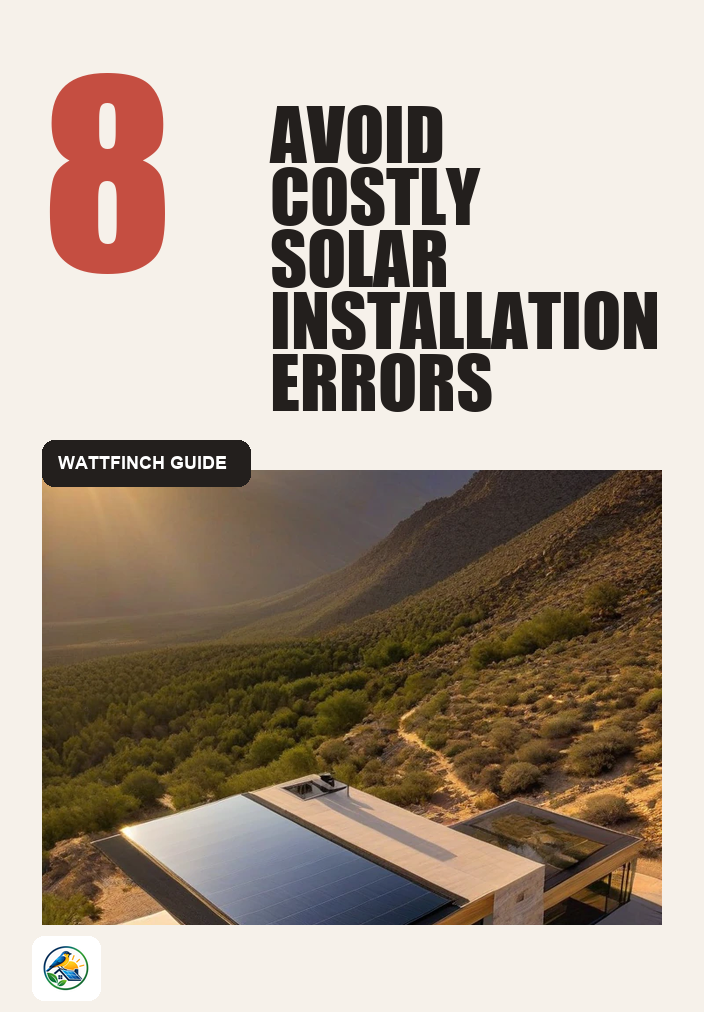
Essential Mistakes Homeowners Should Avoid in Solar Installation
As a U.S. homeowner considering solar energy, the decision to install a rooftop solar system can be exciting yet overwhelming. With various options available and numerous factors to consider, it’s crucial to avoid common pitfalls that could impact your investment and energy efficiency. Here, we outline essential mistakes to steer clear of during the solar installation process.
Overlooking Roof Condition and Orientation
Before considering solar panels, it’s vital to assess the condition of your roof. A roof that requires repairs or replacement can significantly complicate your solar installation. Installing solar panels on a deteriorating roof can lead to costly complications down the line, including damage to the panels themselves.
Additionally, the orientation and angle of your roof play a critical role in the efficiency of solar energy production. Ideally, south-facing roofs receive the most sunlight, but east and west orientations can also work effectively. If your roof is heavily shaded by trees, neighboring buildings, or chimneys, the potential energy production may decrease. Always consult with a professional installer to evaluate your roof’s suitability for solar panels.
Ignoring Local Regulations and Permitting Processes
Every municipality has its own set of regulations regarding solar installations, which can include permitting processes and specific installation guidelines. Many homeowners overlook these local rules, which can lead to delays and unexpected costs.
Before moving forward with installation, check with your local government or zoning office to understand the necessary permits. Engaging a qualified installer familiar with local regulations can help navigate this process more efficiently.
Choosing the Wrong Type of Solar System
When considering solar options, homeowners typically have three choices: grid-tied systems, battery backup systems, and off-grid systems. Each option has its advantages and drawbacks.
- Grid-Tied Systems: These are the most common types, allowing homeowners to use the grid as a backup when solar production is low. However, during power outages, these systems will not provide power unless a battery backup is added.
- Battery Backup Systems: While they offer the advantage of energy storage for use during outages, they come at a higher cost. Homeowners should consider whether the additional expense aligns with their energy needs.
- Off-Grid Systems: These systems can provide complete independence from the grid but require more significant investments in batteries and energy management. They are best suited for remote locations or those seeking total energy autonomy.
Understanding your energy consumption patterns and lifestyle will guide you in selecting the most appropriate system for your needs.
Neglecting to Compare Quotes from Qualified Installers
One of the most critical mistakes homeowners make is failing to obtain multiple quotes from qualified solar installers. Each company may offer different equipment, warranties, and financing options, which can significantly affect the overall cost and performance of your solar system.
When comparing quotes, look for detailed, itemized estimates that outline equipment costs, installation fees, and any ongoing maintenance costs. Pay attention to the following:
- Type and brand of solar panels
- Inverter type and efficiency
- Warranty terms for both equipment and installation
- Estimated installation timeline
Don’t hesitate to ask questions about any aspects of the quotes that are unclear. A reputable installer will be happy to explain their proposal in detail.
Underestimating the Importance of Energy Efficiency Upgrades
Before installing a solar system, it’s wise to assess your home’s energy efficiency. Many homeowners overlook the value of energy efficiency upgrades, such as improved insulation, energy-efficient windows, or upgraded HVAC systems. Addressing these issues can reduce your overall energy consumption, making your solar system more effective in meeting your needs.
Consider conducting an energy audit to identify areas for improvement. Many utility companies offer incentives for energy efficiency upgrades, which can complement your solar investment.
Failing to Account for Long-Term Maintenance and Performance
Solar panels require minimal maintenance, but it’s essential to acknowledge that they are not entirely maintenance-free. Homeowners should be aware of environmental factors, such as dust buildup, debris, or snow accumulation, which can affect performance. Regular inspections and cleaning can ensure optimal energy production.
Additionally, consider the lifespan of your solar panels and inverter. Most solar panels come with warranties ranging from 20 to 25 years, while inverters may need replacement sooner. Be sure to budget for potential maintenance costs and equipment replacements over the life of your system.
Not Understanding Financing Options and Incentives
Solar installation can involve significant upfront costs, so understanding financing options is crucial. Homeowners may have access to various financing methods, including cash purchases, loans, leases, or power purchase agreements (PPAs). Each option has its benefits and trade-offs, and it’s essential to analyze which best fits your financial situation.
Moreover, various federal, state, and local incentives may be available to help offset installation costs. However, these incentives can change frequently, and it’s crucial to verify the current offerings specific to your location before making any decisions.
Conclusion: Taking the Next Steps
Installing solar panels can offer many benefits, but avoiding common mistakes is key to a successful installation. By carefully evaluating your roof, understanding local regulations, comparing quotes, and considering energy efficiency upgrades, you can make informed decisions that align with your needs.
As a next step, gather itemized quotes from qualified installers in your area. This will enable you to compare options effectively and make a decision that best suits your home and budget. Conduct thorough research and seek professional advice to ensure your solar investment is a wise one.


















