Understanding Your Solar Financing Options in North Carolina
As a homeowner in North Carolina considering a residential rooftop solar system, navigating the various financing options can feel overwhelming. With the growing popularity of solar energy and the potential for long-term savings, it’s crucial to understand your choices and weigh the trade-offs involved. This article will help you compare solar financing options and guide you in making a decision that best fits your needs.
Key Financing Options for Solar Energy
When it comes to financing a solar installation, there are several paths you can choose from. Understanding each option’s structure and implications will help you make an informed decision. Here are the most common financing options available:
- Cash Purchase: Paying for your solar system upfront is often the simplest option. While it requires a significant initial investment, it eliminates monthly payments and maximizes your return on investment over time by taking full advantage of available incentives.
- Solar Loan: If you prefer to finance your system, a solar loan allows you to pay for the installation over time. These loans typically have fixed interest rates and terms ranging from 5 to 20 years. Monthly payments can be lower than your previous electric bill, making solar an attractive option.
- Leasing: A solar lease allows you to pay a fixed monthly amount to use the solar system without owning it. This option may have lower upfront costs but often does not allow you to take advantage of tax credits or incentives, as those benefits go to the leasing company.
- Power Purchase Agreement (PPA): Similar to leasing, a PPA lets you pay for the energy produced by the solar system rather than the system itself. You typically pay a lower rate per kilowatt-hour than your utility company. However, like leases, you usually do not receive tax incentives.
Evaluating the Trade-offs
When choosing a financing option, consider several factors that can impact your decision:
- Upfront Costs: A cash purchase requires a significant initial investment, while loans, leases, and PPAs may offer lower upfront costs. Assess your budget and financial situation before deciding.
- Ownership and Incentives: If you own your system (via cash or a loan), you can claim tax credits and rebates, which can significantly reduce your overall costs. With leases and PPAs, you typically forfeit these incentives.
- Monthly Payments vs. Savings: Calculate how much you expect to save on your utility bills compared to your monthly payments. For loans, consider the interest rate and term length.
- Long-term Commitment: Understand the length of your financing agreement. Lease and PPA terms can range from 15 to 25 years, so consider your future plans for your property.
- Flexibility: Some financing options provide more flexibility than others. If you plan to move within a few years, a lease or PPA may be less advantageous than a purchase or loan.
Additional Considerations for North Carolina Homeowners
In addition to financing options, several factors specific to North Carolina can influence your solar decision:
- Local Incentives: North Carolina offers various incentives for solar installation, including state tax credits and rebates. However, availability and amounts can change, so be sure to verify current incentives.
- Net Metering Policies: Understanding how your utility company handles net metering is crucial. This policy allows homeowners to receive credits for the excess energy their solar systems generate and send back to the grid.
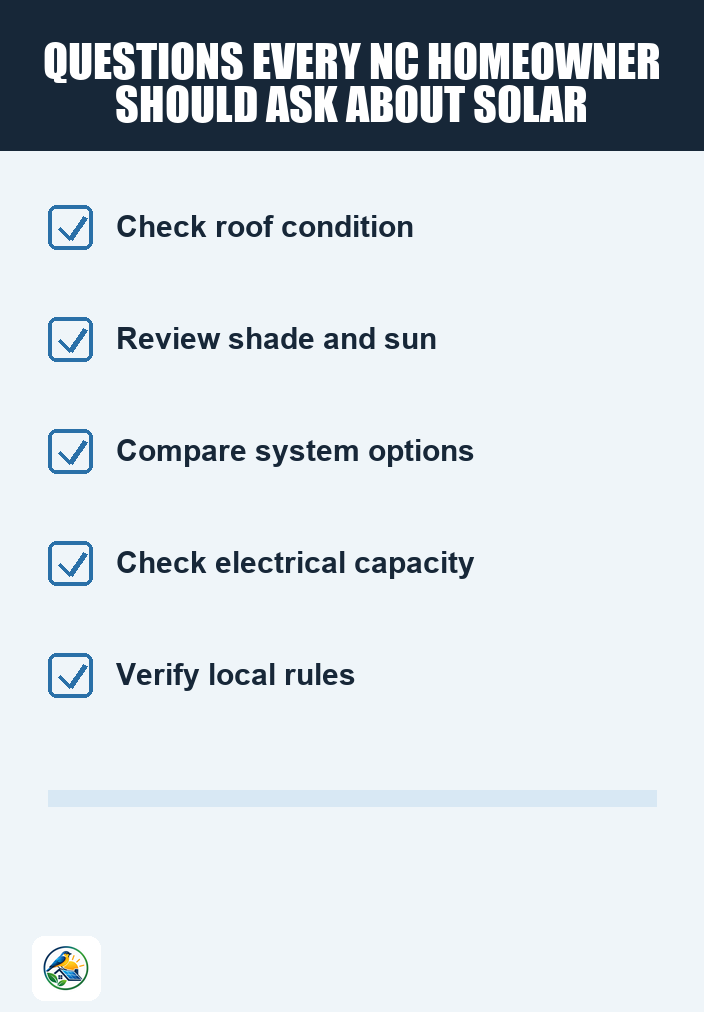
- Roof Condition and Orientation: The condition of your roof and its orientation can significantly impact the efficiency of your solar system. If your roof is shaded or in poor condition, it might require repairs or upgrades before installation.
- Battery Backup Options: If you’re considering a battery backup system, be aware that this adds to the overall cost. Evaluate whether you need battery storage based on your energy consumption and reliability needs.
Common Challenges and Drawbacks
While solar energy can be beneficial, it’s essential to acknowledge potential drawbacks:
- Initial Costs: Even with financing, the initial costs of solar installation can be a barrier for some homeowners.
- Financing Complexity: The various financing options can be confusing, and understanding the terms and conditions is crucial to avoid costly mistakes.
- Maintenance and Repairs: Although solar systems require minimal maintenance, occasional repairs or component replacements may be necessary, which could incur additional costs.
- Permitting and Installation Time: The permitting process can vary by location and may delay installation. Be prepared for potential waiting periods.
Next Steps for North Carolina Homeowners
To make the best decision for your solar financing, consider taking the following steps:
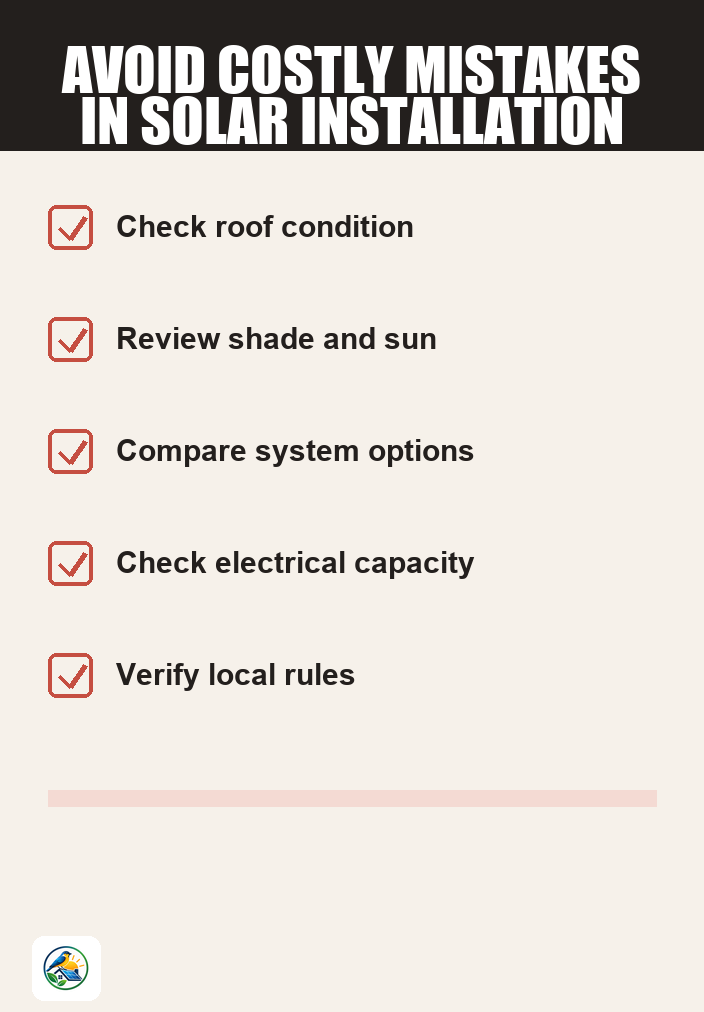
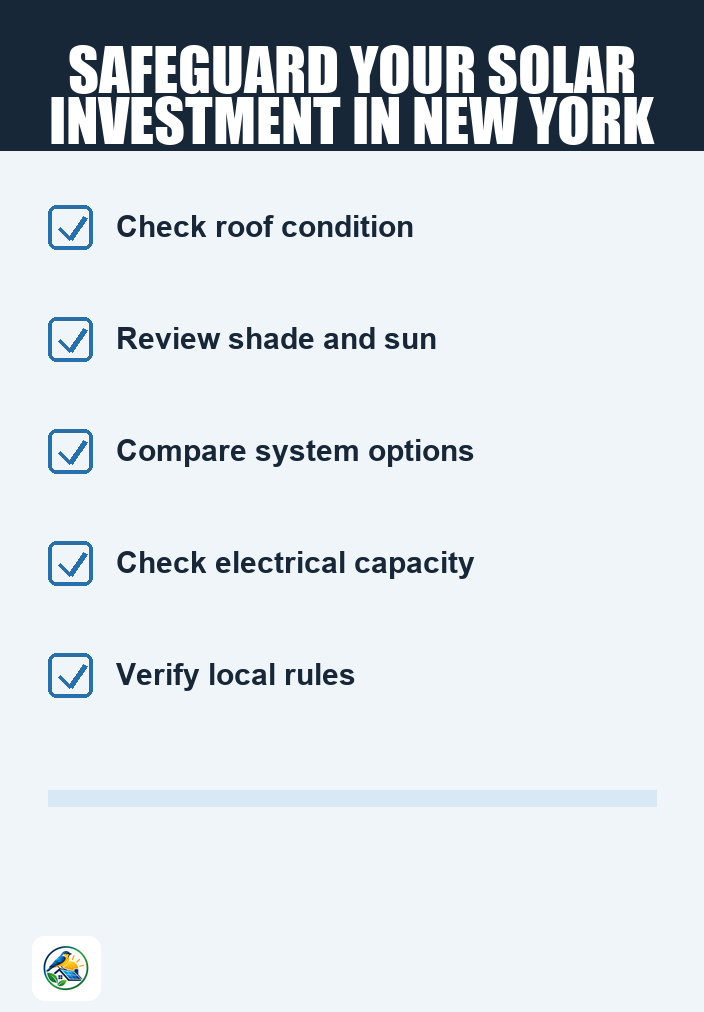
- Assess your property’s suitability for solar by evaluating roof condition, orientation, and shading.
- Research available incentives and financing options to understand what works best for your budget and financial goals.
- Get multiple quotes from qualified solar installers to compare itemized costs and financing terms.
- Review the terms and conditions of each financing option carefully before making a decision.
By taking the time to understand your options and evaluate your specific circumstances, you can make an informed decision about solar financing that aligns with your goals for your North Carolina home.