
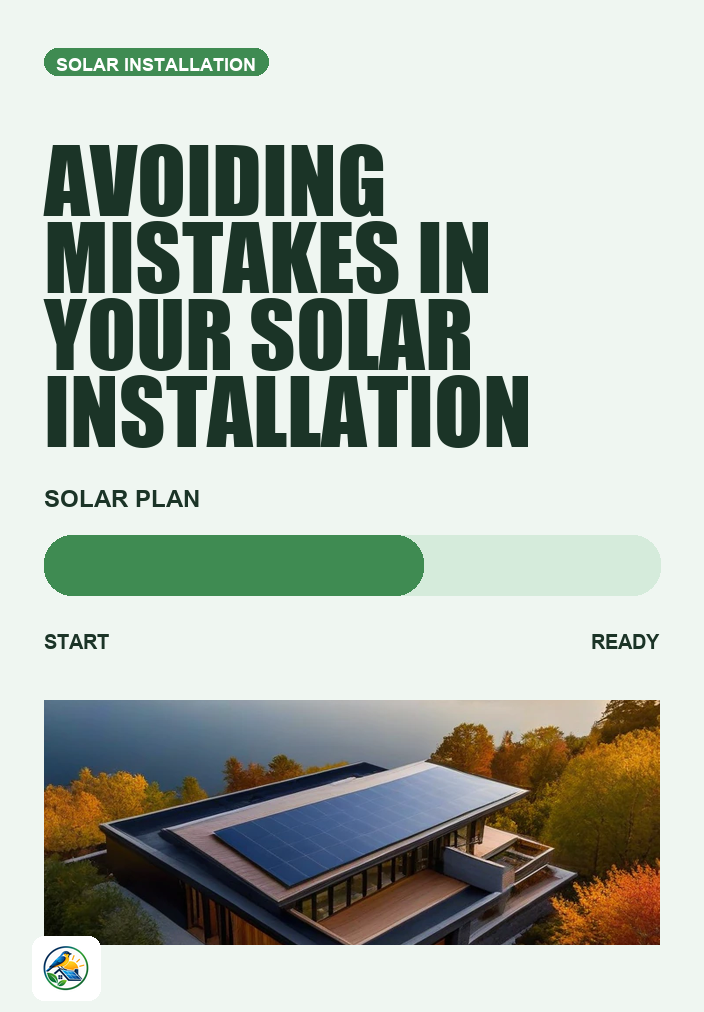
Understanding Common Missteps in Your Home Solar Installation Journey
Considering a solar installation for your home can be an exciting venture, but it also comes with its share of challenges. Many homeowners jump into the process without fully understanding the intricacies involved, which can lead to costly mistakes. This article outlines the common missteps to avoid, ensuring that your journey toward a rooftop solar system—and possibly a home battery—proceeds as smoothly as possible.
Skipping the Research Phase
One of the biggest missteps homeowners make is diving into solar without doing sufficient research. This includes understanding the various types of solar systems available and how they align with your specific needs. Here are a few key considerations:
- Grid-Tied vs. Off-Grid: Most residential systems are grid-tied, allowing homeowners to draw from the grid when solar production is low. Off-grid systems require more extensive setup and battery storage, which can increase costs.
- Battery Backup: If you’re considering adding a battery, understand how it fits into your overall energy strategy. Batteries can provide backup power during outages but come with their own costs and maintenance requirements.
Take the time to learn about local laws, regulations, and incentive programs that could affect your installation. Knowledge is power, and being informed will help you make better decisions.
Ignoring Roof Condition and Orientation
Your roof’s condition and orientation play a crucial role in the effectiveness of a solar installation. Here’s what to consider:
- Roof Age: If your roof needs repairs or replacement soon, it’s wise to address that before installing solar panels. Installing panels on a deteriorating roof can lead to additional costs down the line.
- Orientation and Pitch: South-facing roofs typically receive the most sunlight, but east and west-facing roofs can also be effective. The pitch of your roof can affect energy production, too. Consult with installers about how your roof’s characteristics impact system efficiency.
Neglecting Shade Assessment
Shade from trees, nearby buildings, or other structures can significantly reduce the efficiency of your solar panels. Homeowners often overlook this critical factor during the planning phase. Here’s how to assess shading:
- Conduct a Shade Analysis: Some installers offer shade analysis tools to evaluate how much sunlight your roof receives throughout the day.
- Consider Tree Trimming: If your roof is shaded, consider whether you can trim trees or adjust landscaping to improve sunlight exposure.
Overlooking Local Incentives and Utility Policies
The financial landscape for solar installation can vary greatly depending on your location. It’s crucial to understand local incentives, net metering policies, and utility rules before proceeding:
- Incentives: Federal and state incentives can significantly reduce upfront costs, but they require verification. Ensure you understand what’s currently available and how to qualify.
- Net Metering: This allows you to receive credits for excess energy your system produces. Check your utility’s policy, as it can impact your overall savings.
Consult with a local expert to navigate the specifics of your area, as these rules can change and vary widely.
Failing to Compare Quotes
Many homeowners make the mistake of settling for the first quote they receive, which can lead to missing out on better options. Here’s how to approach getting quotes:
- Itemized Quotes: Always ask for detailed, itemized quotes from multiple installers. This should include costs for equipment, installation, permits, and any additional services.
- Reputation and Experience: Consider the installer’s reputation and how long they have been in business. Check reviews and ask for references.
Comparing quotes will give you a better sense of the market and help you make a more informed decision.
Underestimating Ongoing Maintenance and Performance Monitoring
Once your solar system is installed, it requires ongoing maintenance and monitoring to ensure optimal performance. Here are some common oversights:
- Clean Your Panels: Dust, debris, and snow can accumulate on panels, reducing efficiency. Regular cleaning or a maintenance plan can help ensure consistent performance.
- Monitor Energy Production: Many systems come with monitoring tools. Use these to track energy production and identify any potential issues early.
Understand that while solar systems are relatively low-maintenance, they are not completely maintenance-free.
Not Planning for Future Changes
Your energy needs may change over time, so it’s essential to consider your future plans when installing a solar system. Here’s what to keep in mind:
- Home Expansion: If you plan to add more living space or appliances, factor in how this will affect your energy consumption and whether your solar system will be sufficient.
- EV Charging: If you intend to purchase an electric vehicle, ensure your system can handle the additional load.
Planning for future needs can save you from costly adjustments later on.
Next Steps for Your Solar Journey
To avoid these common missteps, approach your solar installation journey with diligence and a clear plan. Start by researching your options, assessing your home’s condition, and understanding local incentives. Once you feel informed, seek itemized quotes from qualified installers to help you make an informed decision.
Your solar installation should enhance your home and align with your long-term energy goals. Take the time to get it right!


















