
Can I Install Solar Panels on My Shingle Roof? A Planning Guide
As a U.S. homeowner considering solar energy, you might be wondering if your shingle roof is suitable for solar panel installation. The answer is generally yes, but there are several factors to consider to ensure a successful setup. This guide will help you navigate the key points to determine if solar panels are a good fit for your home.
Understanding Your Roof Type
Shingle roofs are one of the most common roofing materials in the United States. They are typically made from asphalt, wood, or other materials and can be suitable for solar panel installations. However, the condition, age, and type of shingles on your roof can significantly influence the installation process.
Assessing Roof Condition
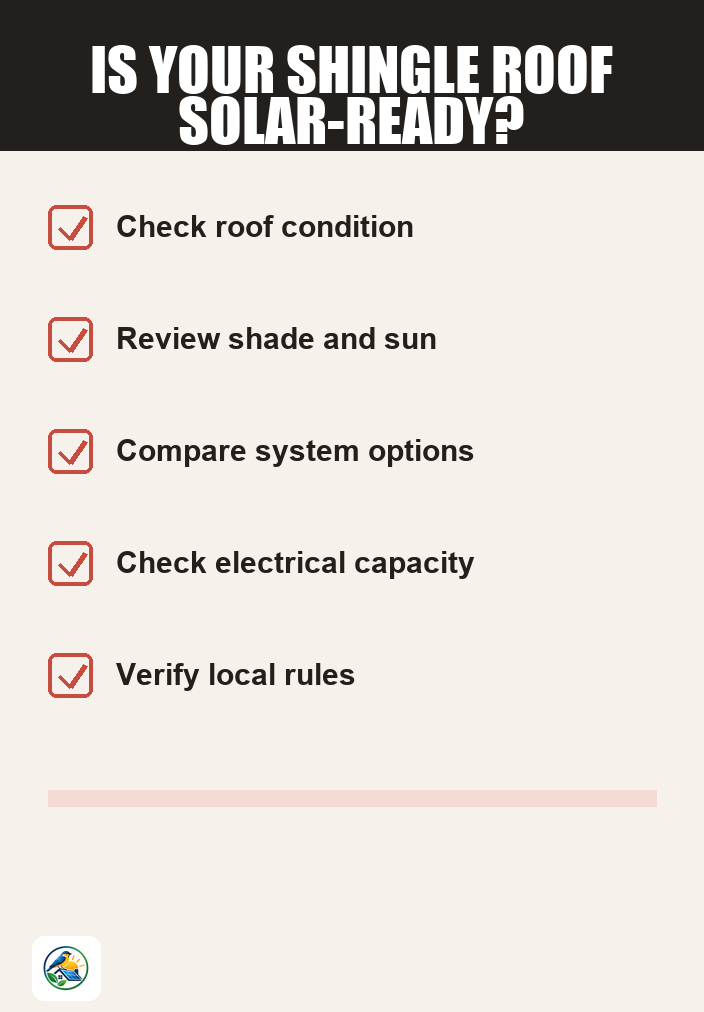
Before installing solar panels, it’s essential to evaluate the condition of your roof:
- Age: If your roof is nearing the end of its lifespan, it may be wise to replace it before installing solar panels.
- Damage: Look for missing shingles, leaks, or other signs of damage that could complicate the installation.
- Structure: Ensure your roof is structurally sound to support the weight of the solar panels.
Roof Orientation and Pitch
The orientation and pitch of your roof play a crucial role in solar energy production:
- Orientation: South-facing roofs typically receive the most sunlight, while east and west-facing roofs can still be effective. North-facing roofs may not be ideal for solar panels.
- Pitch: A roof pitch between 15 and 40 degrees is generally optimal for solar panel installation. Flat roofs can also work with specific mounting systems.
Shading Considerations
Shading can significantly impact the efficiency of solar panels. Trees, buildings, or even chimney stacks can cast shadows on your roof, reducing the energy output of your solar system. Here are a few considerations:
- Evaluate Shading: Conduct a shading analysis to identify potential obstructions during different times of the day and throughout the year.
- Tree Trimming: If trees or foliage are causing shade, consider trimming or removing them to improve solar access.
- Panel Placement: A professional installer can help design a layout that minimizes shading impacts.
Electrical System Compatibility
Before proceeding with solar panel installation, you should also assess your home’s electrical system:
- Current Capacity: Make sure your electrical panel can handle the additional load from solar panels. An upgrade may be necessary.
- Wiring: Older homes may have outdated wiring that could pose safety issues when integrating solar energy.
Permitting and Local Regulations
Installing solar panels typically requires permits from your local government or homeowner’s association. Regulations can vary significantly by location, affecting the installation timeline and process. Here are key steps to follow:
- Research Local Laws: Familiarize yourself with any zoning laws, building codes, and restrictions related to solar installations.
- Homeowner Association (HOA) Rules: If you live in an area governed by an HOA, check their guidelines on solar panel installations.
Choosing the Right Installer
Finding a qualified solar installer is crucial for a successful project. Here are some steps to help you choose wisely:
- Research Qualifications: Look for installers who are licensed, insured, and have experience with shingle roofs.
- Check Reviews: Read customer reviews and testimonials to gauge their reputation in the community.
- Request Quotes: Obtain multiple quotes to compare pricing, equipment choices, and warranties.
Understanding Costs and Financing Options
The cost of solar installation can vary widely based on several factors, including the size of your system, equipment used, and labor costs. Here are a few financial considerations:
- Upfront Costs: Be prepared for initial costs, which may include equipment, installation, and permitting fees.
- Financing Options: Consider various financing solutions, such as loans, leases, or power purchase agreements (PPAs).
- Incentives and Rebates: Research federal, state, and local incentives that may be available to help offset costs. Always verify current availability and requirements.
Battery Storage and Energy Independence
Many homeowners opt for battery storage solutions to enhance their solar energy systems. Here’s what to consider:
- Energy Storage: Batteries allow you to store excess energy produced during the day for use at night or during outages.
- Cost vs. Benefit: Weigh the additional costs of battery systems against their benefits, especially if you live in an area with frequent power outages.
Maintenance and Longevity
Once installed, solar panels require minimal maintenance, but there are a few things to keep in mind:
- Cleaning: Periodic cleaning may be necessary to remove dirt, debris, or snow that can block sunlight.
- Inspections: Schedule regular inspections to ensure your system is functioning correctly and to catch any potential issues early.
Next Steps
If you’re ready to explore solar energy options for your shingle roof, the next steps include:
- Assess Your Roof: Inspect your roof’s condition and orientation to determine its suitability for solar panels.
- Research Local Installers: Gather quotes from qualified installers to compare services and pricing.
- Verify Incentives: Check local utility and government resources for current available incentives and requirements.
By taking these steps, you can make an informed decision about whether solar panels are the right choice for your home. Remember, thorough planning and research are key to a successful solar installation.


















