
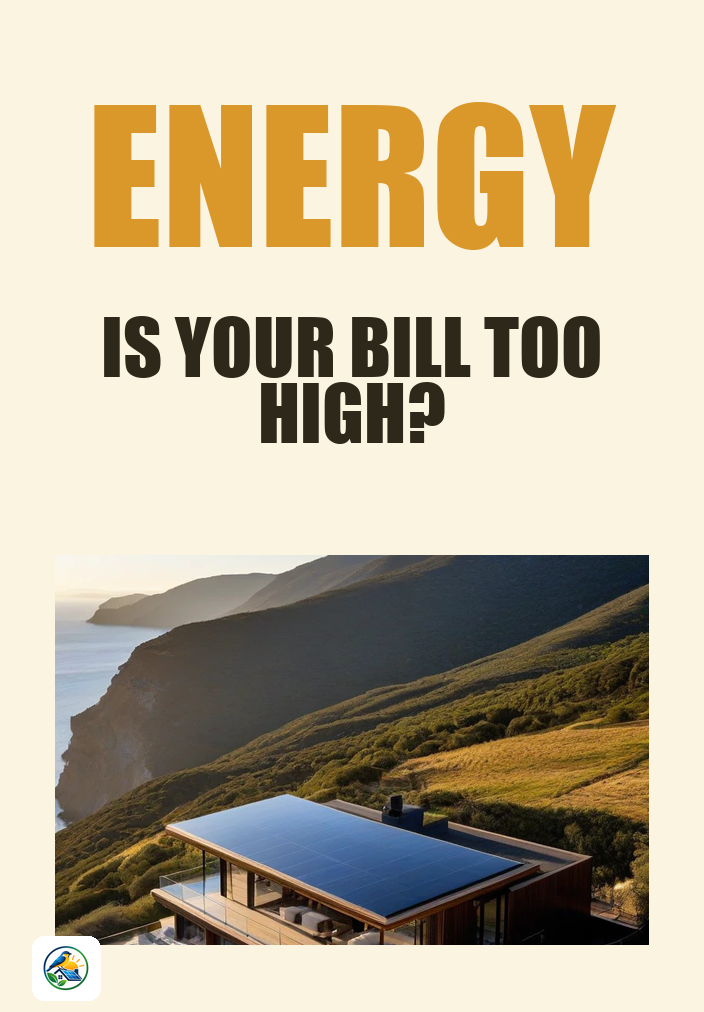
Understanding Solar Financing Options for Homeowners with High Energy Bills
As energy costs continue to rise, many homeowners are looking for effective solutions to manage their monthly expenses. One option that has gained significant attention is residential rooftop solar systems. While the initial investment can seem daunting, financing options can make solar energy more accessible. This article will explore various financing methods available for homeowners, particularly those facing high energy bills, and outline important considerations to help you make an informed decision.
Why Solar Energy? Assessing Your Energy Needs
Before diving into financing options, it’s essential to evaluate your home’s energy consumption. High energy bills typically indicate a higher-than-average electricity usage, which could make solar energy an attractive solution. However, solar systems may not be suitable for every home. Factors such as roof condition, orientation, and shading can affect the viability of a solar installation.
To determine if solar is right for you, consider the following steps:
- Analyze Energy Bills: Review your last 12 months of energy bills to identify usage patterns and peak consumption times.
- Assess Roof Space: Examine your roof for shading from trees or neighboring structures, as well as its condition and orientation.
- Consider Future Plans: Think about your long-term plans for the home. Will you stay for a while, or is a move on the horizon?
Financing Options for Solar Systems
Once you’ve assessed your energy needs, it’s time to explore financing options. Homeowners have several choices when it comes to funding a solar installation, each with its own pros and cons.
1. Cash Purchase
Buying a solar system outright can save money in the long term, as you won’t incur financing costs. However, this option requires a significant upfront investment. If you have the capital available and plan to stay in your home long-term, this might be the most straightforward choice.
2. Solar Loans
Many homeowners opt for solar loans, which allow you to finance the system over time. This option can provide a flexible payment structure. Here are a few types of solar loans:
- Secured Loans: These loans are backed by your home equity, often resulting in lower interest rates.
- Unsecured Loans: These loans do not require collateral but may come with higher interest rates.
- Personal Loans: Similar to unsecured loans, personal loans can be used to fund a solar installation but may also have higher rates.
Before committing to a solar loan, consider your credit score and the interest rates available to you. Compare multiple lenders to find the best terms.
3. Solar Leases
A solar lease allows you to pay a fixed monthly fee for using the solar system without owning it outright. This option can be appealing as it usually doesn’t require a large upfront payment. However, you won’t benefit from tax credits or incentives associated with ownership.
4. Power Purchase Agreements (PPAs)
Similar to leases, a PPA allows you to buy the power generated by the solar system at a predetermined rate. Generally, this rate is lower than local utility prices, which can lead to savings. But like a lease, you won’t own the system or qualify for tax benefits.
Evaluating Tradeoffs and Considerations
While financing options can make solar energy more accessible, it’s crucial to understand the tradeoffs involved. Here are some important factors to consider:
- Upfront Costs: While loans and leases can reduce initial costs, they also mean ongoing payments that could affect your cash flow.
- Maintenance and Repairs: If you own the system, you’re responsible for maintenance. Leases and PPAs typically include maintenance as part of the agreement.
- Incentives and Tax Benefits: Ownership often allows you to take advantage of tax credits and incentives. Verify current incentives in your area to understand potential savings.
- Utility Policies: Familiarize yourself with your utility’s net metering policies, as these can impact the financial viability of your solar system.
Next Steps: Getting Quotes and Making Comparisons
After considering the various financing options, the next step is to gather quotes from qualified solar installers. Here’s a practical checklist to guide you:
- Research Installers: Look for installers with positive reviews and relevant certifications.
- Request Itemized Quotes: Obtain detailed quotes that include equipment costs, installation fees, and financing options.
- Compare Financing Options: Assess the total cost of ownership versus leasing or PPAs, including long-term savings and potential risks.
- Consult with a Professional: A qualified installer can provide insights tailored to your specific situation, helping you make an informed choice.
Ultimately, the decision to invest in solar energy should be based on thorough research and an understanding of your financial situation. By exploring financing options and obtaining multiple quotes, you can find a solution that fits your needs while addressing those high energy bills.


















