
Understanding the Intersection of Solar Panels and Heat Pumps
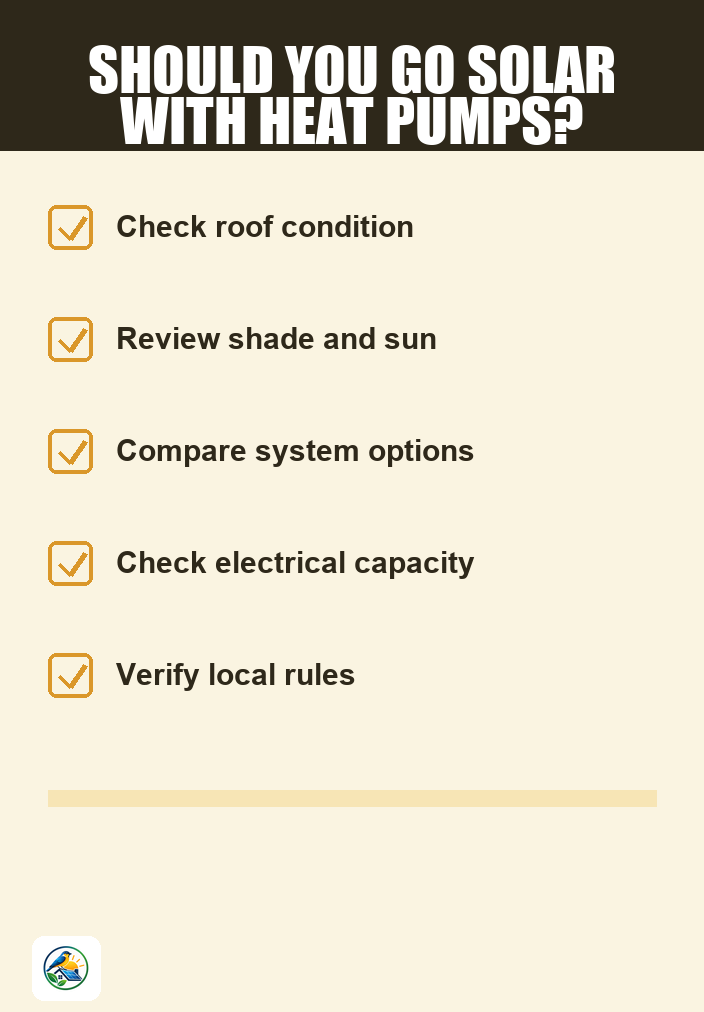
As a homeowner considering the dual implementation of solar panels and heat pumps, you’re entering a realm of energy efficiency and sustainability. Both technologies offer significant benefits, but their integration requires careful thought. This article serves as a practical checklist, guiding you through the essential considerations when installing solar panels alongside heat pumps.
Assessing Your Home’s Energy Needs
Before diving into solar panel installation, it’s critical to evaluate your home’s energy consumption, especially if you’re using a heat pump for heating and cooling.
1. Calculate Your Energy Usage
Start by reviewing your past utility bills. Look for your monthly energy consumption in kilowatt-hours (kWh). This will help you understand how much energy your heat pump and other household appliances use.
2. Identify Heating and Cooling Demands
Heat pumps are particularly effective in moderate climates. Consider the following factors:
- Climate zone: Are you in a region with extreme temperatures?
- Home size: How many square feet are you heating or cooling?
- Insulation quality: Is your home well-insulated, or does it have significant air leaks?
Evaluating Your Roof for Solar Panel Installation
Your roof’s condition and configuration play vital roles in solar panel feasibility.
1. Roof Condition
Ensure your roof is in good shape before installing solar panels. If your roof needs repairs or replacement, it’s wise to address these issues first. Solar panels have a lifespan of 25 years or more, so it’s best to install them on a structurally sound roof.
2. Orientation and Angle
Solar panels perform best when facing south with an angle of 15 to 40 degrees. Evaluate:
- Is your roof primarily flat, sloped, or does it have multiple angles?
- Are there any obstructions like chimneys or tall trees that could block sunlight?
Understanding System Compatibility
The compatibility of solar panels with your heat pump system is crucial. Here are some key considerations:
1. Electrical Load Management
When integrating solar panels with a heat pump, consider the following:
- Will the solar system cover the energy consumption of both the heat pump and other household needs?
- Are there any electrical upgrades needed to handle the additional load from the heat pump and solar system?
2. Grid-Tied vs. Off-Grid Systems
Most residential solar installations are grid-tied, allowing homeowners to draw electricity from the grid when solar production is low. If you’re considering battery storage:
- Will the battery support your heat pump during outages?
- How much capacity do you need to cover your heating demands?
Financial Considerations and Incentives
While solar and heat pumps can lead to energy savings, it’s essential to carefully consider the financial implications.
1. Initial Costs
Evaluate the costs associated with both the heat pump and solar panel installation. Get multiple quotes from qualified installers to compare the total investment needed for both systems.
2. Incentives and Rebates
Research local, state, and federal incentives for solar and heat pumps. These can significantly reduce your upfront costs. However, be aware that incentives vary by location and may require independent verification to ensure you have the most current information.
Maintenance and Longevity
Both solar panels and heat pumps require maintenance, which can affect their long-term efficiency.
1. Solar Panel Maintenance
Solar panels generally require minimal maintenance, but consider the following:
- Will you need to clean your panels regularly, especially if you live in a dusty area?
- How often do you plan to have a professional inspection?
2. Heat Pump Maintenance
Heat pumps require regular maintenance to operate efficiently:
- Will you schedule annual check-ups?
- How will you handle any necessary repairs?
Permitting and Interconnection Considerations
Before installation, familiarize yourself with local permitting and interconnection rules.
1. Permitting Process
Most jurisdictions require permits for solar panel installations. Check with your local government to understand:
- What permits are needed?
- How long does the approval process typically take?
2. Interconnection Agreements
If you’re installing a grid-tied system, you’ll need to complete an interconnection agreement with your utility. This will outline:
- The process for connecting your solar system to the grid
- Any fees associated with interconnection
Final Thoughts: Next Steps for Homeowners
Deciding to install solar panels alongside a heat pump is a significant step toward energy efficiency and sustainability. However, it’s essential to approach this decision with careful consideration. Start by assessing your energy needs, evaluating your roof, and understanding the financial implications. Comparing itemized quotes from qualified installers will provide clarity and help you make an informed decision.
Remember to research current local incentives and verify all details with applicable authorities. With the right preparations and knowledge, you can create a powerful energy-efficient home that meets your needs for years to come.


















