Understanding Solar Battery Backup for Power Outages
For homeowners considering a residential solar system, the addition of a battery backup can enhance energy independence and provide peace of mind during power outages. Understanding your options and the trade-offs involved is crucial to making informed decisions. This guide will help you navigate the landscape of solar battery backup systems, offering practical insights and considerations tailored to your home.
What is Solar Battery Backup?
A solar battery backup system stores excess energy generated by your rooftop solar panels for later use. During a power outage, this stored energy can keep your home powered, minimizing disruptions to your daily life. It’s important to note that solar battery systems can vary significantly in terms of capacity, cost, and functionality, so understanding the basics is essential.
Types of Solar Battery Systems
- Grid-Tied Systems: These systems are connected to the utility grid and rely on it for backup power. During outages, many grid-tied systems will not function unless equipped with battery storage and specific inverters.
- Off-Grid Systems: Ideal for homes far from the grid, off-grid systems operate independently. They use solar panels and batteries to meet all energy demands, but require careful sizing to ensure adequate power supply.
- Hybrid Systems: Combining both grid-tied and battery backup features, hybrid systems allow homeowners to use stored energy during outages while still benefiting from the grid when necessary.
Key Considerations for Choosing a Battery Backup System
When evaluating your options for a solar battery backup, several factors should guide your decision-making process:
1. Energy Needs and Usage Patterns
Understanding your household’s energy consumption is key. Consider both your average daily usage and peak demands. This will help you determine the battery size needed to keep your essential appliances running during an outage.
2. Battery Capacity and Types
Batteries come in different capacities, typically measured in kilowatt-hours (kWh). Common types include:
- Lithium-Ion Batteries: Known for their high energy density and efficiency, these batteries are popular for residential use.
- Lead-Acid Batteries: Generally less expensive but bulkier and less efficient, they may require more frequent maintenance.
Assess your needs against battery options, as the right choice will depend on your consumption and how you prioritize cost versus performance.
3. Integration with Existing Solar Systems
If you already have solar panels installed, ensure your battery system is compatible with your existing setup. Some systems require specific inverters or additional equipment for integration, which can affect overall costs and installation time.
4. Local Climate and Weather Patterns
Climate can impact solar energy production and battery performance. For instance, homes in sunnier regions may generate more excess energy, which can be stored during the day for use at night or during outages. Conversely, homes in areas with frequent storms or cloudy conditions might need larger battery systems to ensure reliable backup power.
Trade-Offs to Consider
While battery backups offer many advantages, there are trade-offs to keep in mind:
- Initial Costs: Battery systems can add significant upfront costs to your solar installation. It’s essential to weigh these costs against potential benefits.
- Battery Lifespan: Most batteries have a limited lifespan, often requiring replacement every 5-15 years, depending on usage and technology.
- Maintenance Needs: While many modern battery systems require minimal maintenance, traditional lead-acid batteries may necessitate more frequent checks and upkeep.
Comparing Quotes from Installers
Once you have a clearer understanding of your needs and options, it’s time to gather quotes from qualified installers. Here’s a practical checklist to guide your comparison:
- Itemization: Ensure quotes include detailed itemizations of all components, including panels, inverters, and batteries.
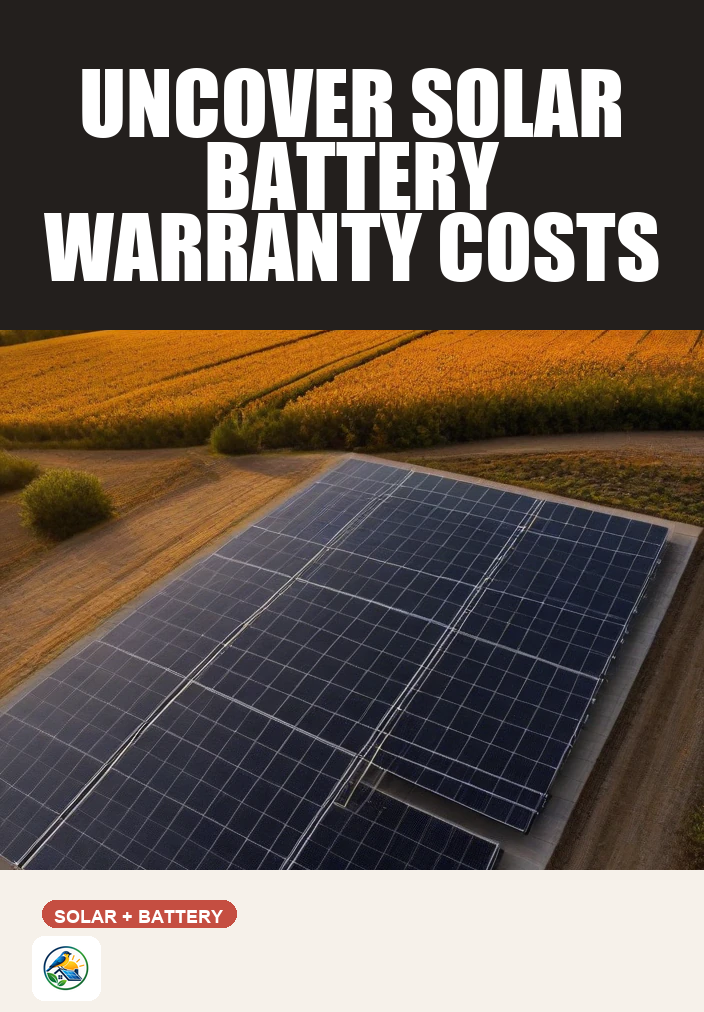
- Warranty Terms: Compare warranty offerings on the installation, panels, and batteries. Longer warranties can indicate higher quality.
- Installation Timeline: Ask about the expected timeline for installation and any potential delays.
- Maintenance and Support: Inquire about ongoing support and maintenance options post-installation.
Next Steps: Making Your Decision
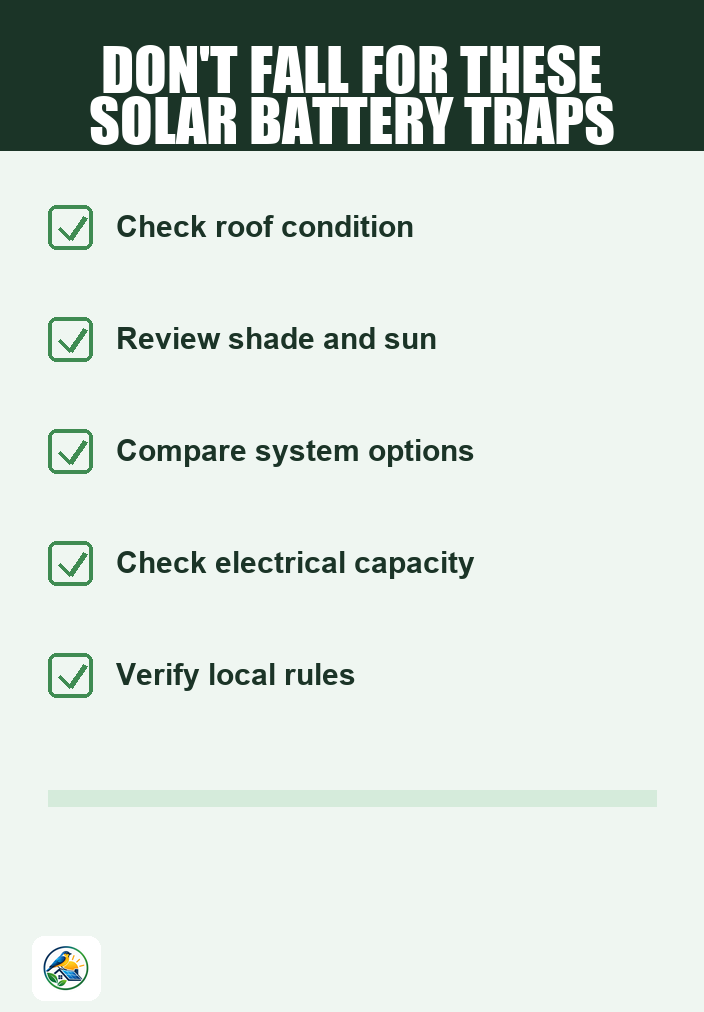
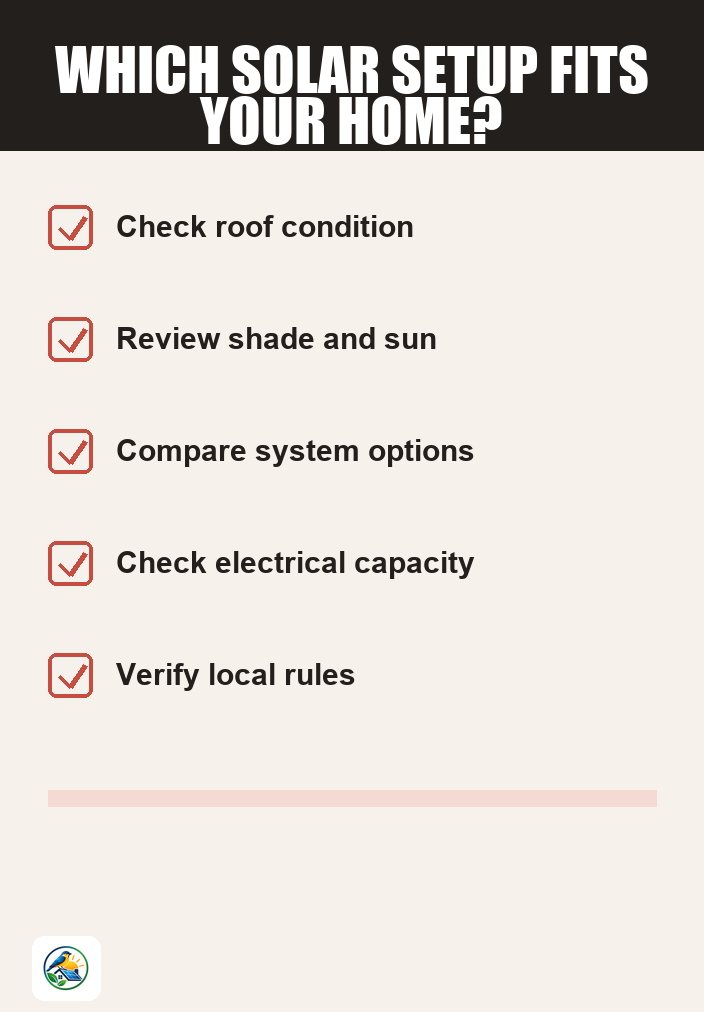
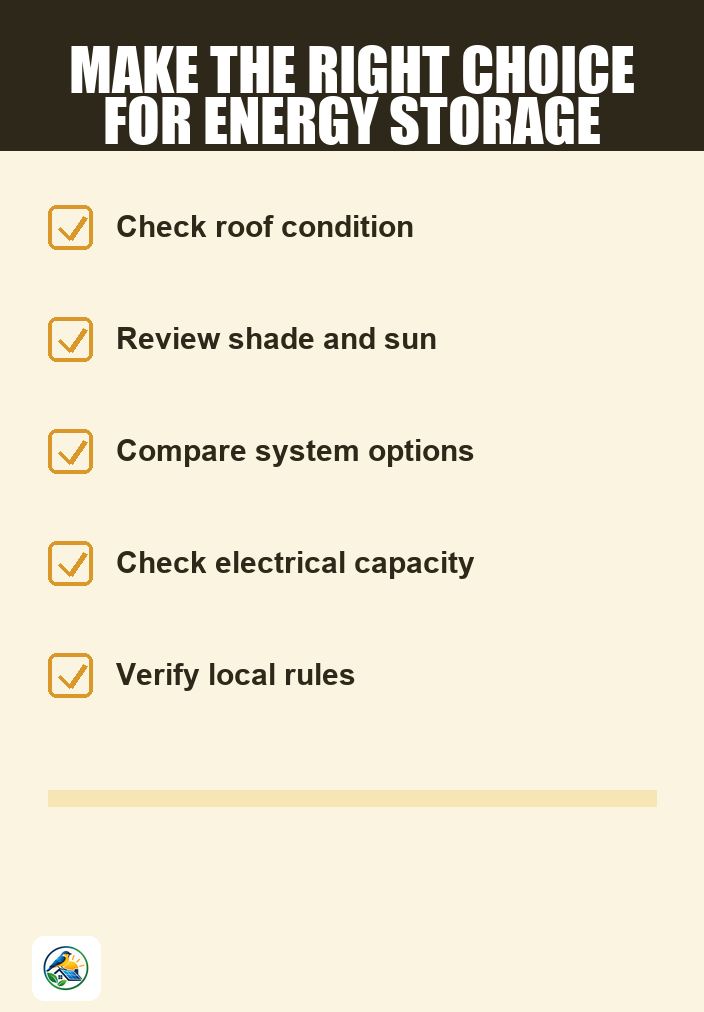
Before making a final decision, verify current local utility policies, available incentives, and tax credits. These factors can significantly influence the financial aspects of your solar battery backup system. Additionally, consider the overall condition of your roof, electrical system, and whether any upgrades are needed to support new installations.
Ultimately, the choice of a solar battery backup system should align with your energy needs, lifestyle, and budget. By carefully weighing your options and consulting with professionals, you can make an informed decision that enhances your home’s resilience during power outages.