
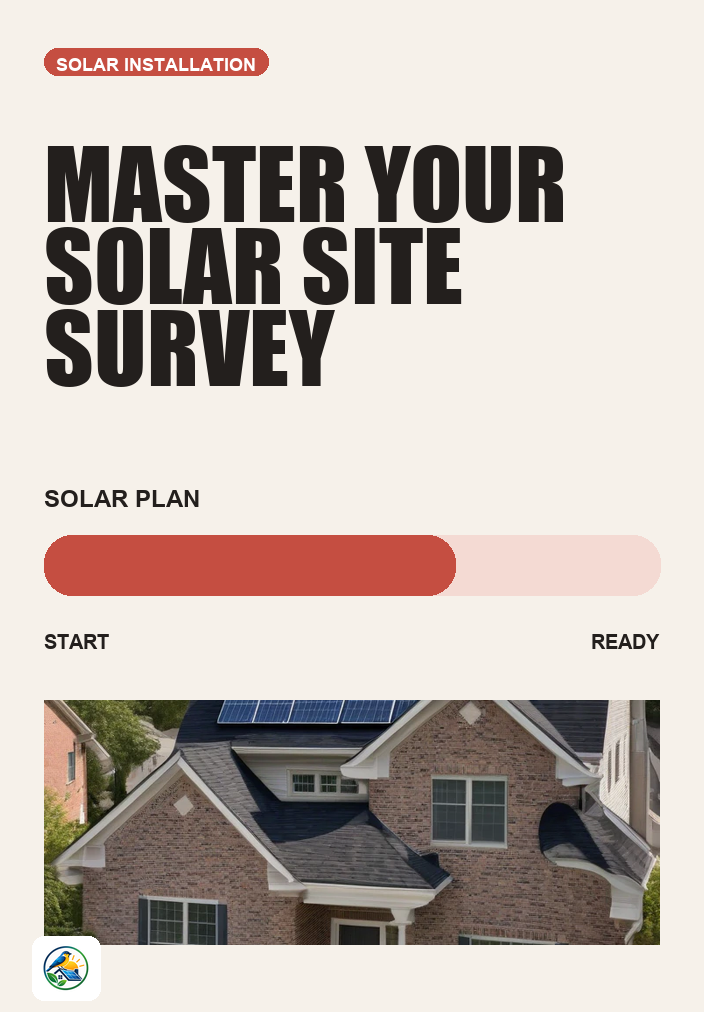
Understanding the Importance of Solar Site Surveys
When considering a residential rooftop solar system, a solar site survey is an essential first step. This survey helps determine the feasibility of solar energy for your home and identifies potential challenges. However, mistakes during this process can lead to complications down the line, including inefficiencies, increased costs, and even project delays. In this article, we’ll discuss how to identify and avoid common mistakes in solar site surveys, ensuring a smoother path toward solar energy adoption.
Common Mistakes in Solar Site Surveys
Identifying mistakes in a solar site survey can help homeowners make informed decisions. Below are some prevalent pitfalls to watch out for:
1. Inadequate Roof Assessment
The condition, age, and material of your roof play a critical role in the solar installation process. A thorough roof assessment should include:
- Checking for structural integrity and any signs of damage.
- Ensuring the roof can support the weight of solar panels.
- Identifying the roof’s material, as some materials may require additional mounting hardware.
Homeowners should address any necessary repairs before installation to avoid complications later.
2. Ignoring Shading Analysis
Shading from trees, buildings, or other obstructions can significantly reduce the efficiency of solar panels. A comprehensive shading analysis includes:
- Using tools or software to determine how shading changes throughout the day and year.
- Identifying any potential future growth of nearby trees or structures that may create new shading issues.
If shading is a concern, consider discussing options like panel placement or tree trimming with your installer.
3. Miscalculating Energy Needs
Understanding your household energy consumption is crucial for sizing your solar system accurately. Common mistakes include:
- Not reviewing utility bills for a full year to determine seasonal variations in energy use.
- Failing to account for future changes in energy needs, such as adding electric vehicles or major appliances.
Work with your installer to assess your current usage and future needs, ensuring your system is appropriately sized.
4. Overlooking Electrical System Compatibility
Your home’s electrical system must be compatible with the proposed solar installation. Key considerations include:
- Checking the age and condition of the existing electrical panel.
- Ensuring that wiring is up to code and can handle the additional load from solar panels.
In some cases, modifications to your electrical system may be necessary, so it’s essential to address these issues upfront.
5. Skipping Permitting and Regulatory Requirements
Every municipality has its own rules regarding solar installations, and failing to comply can lead to costly delays. Common mistakes include:
- Not researching local zoning laws or homeowners association (HOA) regulations.
- Overlooking necessary permits or inspections.
Before proceeding, ensure you understand all regulatory requirements to avoid unexpected challenges.
How to Conduct a Thorough Solar Site Survey
To avoid common mistakes, it’s important to approach your solar site survey methodically. Here’s a checklist that homeowners can use:
- Assess Roof Condition: Inspect for damage and structural integrity.
- Evaluate Shading: Analyze shading patterns using tools like solar pathfinders or shading analysis software.
- Determine Energy Needs: Review utility bills for the past year and consider future energy requirements.
- Inspect Electrical System: Check the age and condition of your electrical panel and wiring.
- Understand Local Regulations: Research permitting, zoning laws, and HOA rules.
Choosing the Right Installer
After conducting your site survey, the next step involves selecting a qualified solar installer. Here are some criteria to consider when evaluating installers:
- Experience: Look for installers with a solid track record and positive customer reviews.
- Certifications: Ensure they are certified and follow industry best practices.
- Transparency: Choose an installer who provides clear, itemized quotes without hidden fees.
- Warranty and Support: Inquire about warranties on both the equipment and installation.
Getting multiple quotes can help you compare services and pricing effectively. Make sure each quote includes detailed information about the system design, equipment, installation timeline, and any other relevant details.
Next Steps for Homeowners
While considering solar energy for your home, ensure you conduct a thorough solar site survey and avoid common mistakes. Collaborate with a qualified installer to assess your specific needs and circumstances. Remember to compare itemized quotes from different installers to make an informed decision.
Finally, verify all current local utility, installer, government, or tax information before proceeding, as costs, incentives, and regulations can vary widely. By taking these steps, you’ll be well on your way to making an informed choice about solar energy for your home.


















