
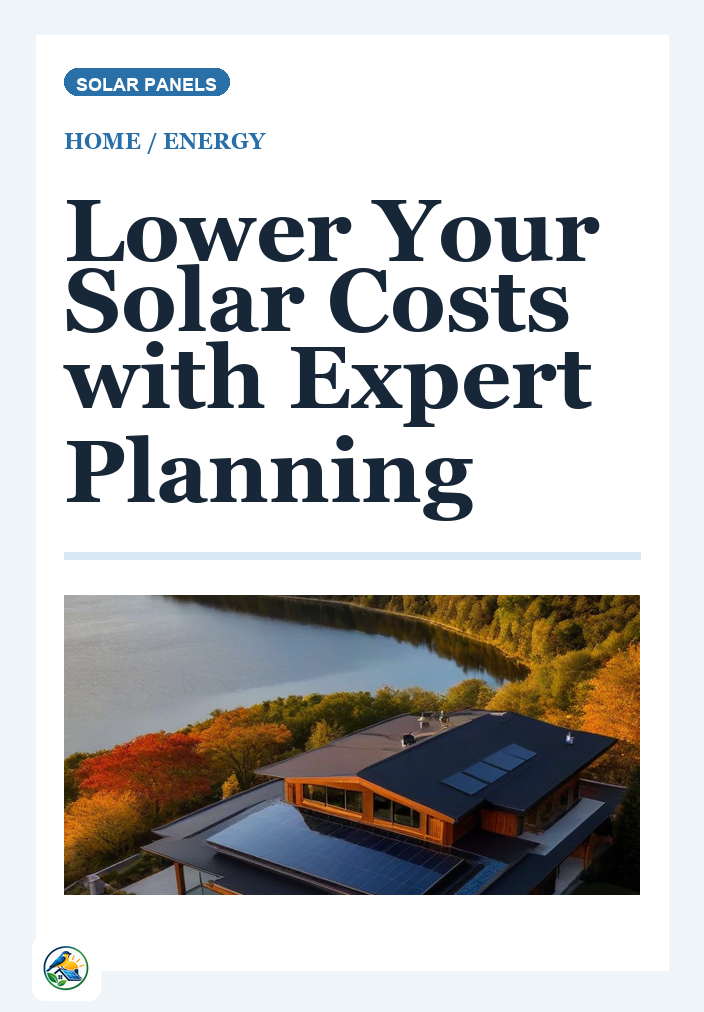
Understanding Solar Options for Two-Story Homes
Installing a solar energy system in a two-story home can be a transformative way to manage energy costs. However, the unique characteristics of such homes present both opportunities and challenges. This guide aims to help homeowners understand their options, tradeoffs, and key considerations when planning a rooftop solar system, potentially combined with a home battery.
Assessing Your Home’s Solar Potential
Before diving into specifics, it’s crucial to evaluate whether your two-story home is suitable for solar energy. This evaluation may include:
- Roof Condition: Ensure your roof is in good shape and can support solar panels. Repairs or replacements may be needed before installation.
- Roof Orientation: South-facing roofs typically receive the most sunlight, while east and west orientations can also be effective. North-facing roofs may not be ideal.
- Shade Analysis: Trees, nearby buildings, or other obstructions can block sunlight and reduce solar energy production. A professional installer can conduct a shade analysis.
- Available Space: Assess the square footage available on your roof for solar panels. Two-story homes may have less roof space due to architectural features.
Choosing Between Grid-Tied and Off-Grid Systems
Solar systems can be broadly categorized into grid-tied and off-grid systems, each with distinct features:
Grid-Tied Systems
These systems are connected to your local utility grid, allowing you to draw electricity when solar production is low.
- Benefits: Typically lower installation costs, net metering options, and the ability to sell excess energy back to the grid.
- Drawbacks: No power during grid outages unless you have a battery backup system.
Off-Grid Systems
Off-grid systems operate independently from the utility grid, relying entirely on solar energy and battery storage.
- Benefits: Energy independence and reliability during outages.
- Drawbacks: Higher installation costs and the need for a larger battery capacity to meet your energy needs.
Integrating Battery Storage
For homeowners considering a battery backup, understanding how it integrates with your solar system is vital. A battery can store excess energy produced during the day for use at night or during outages.
- Size Matters: Assess your household’s energy consumption to determine the appropriate battery size. A larger battery may be necessary for two-story homes, especially if they have high energy demands.
- Installation Complexity: Adding battery storage can complicate installation and increase costs. Ensure your installer provides a clear layout of how the battery will fit into your system.
Evaluating Installation Costs and Quotes
The costs associated with solar installation can vary widely based on several factors:
- System Size: The more panels you need, the higher the cost. A two-story home may require more panels to meet energy needs.
- Location: Installation costs can differ based on local labor rates, permitting, and utility policies.
- Incentives: Check for local, state, and federal incentives that may be available. These can significantly reduce your overall costs, but they vary and may require verification.
Getting multiple itemized quotes from qualified installers can help you understand the full scope of costs involved. Look for transparency in pricing and ask for a breakdown of materials, labor, and any potential additional fees.
Permitting and Interconnection Considerations
Installing solar panels on a two-story home involves navigating local permitting and interconnection processes. These can vary significantly by location:
- Permitting: Check with your local government about the necessary permits for solar installation. Some areas have streamlined processes, while others may require extensive documentation.
- Interconnection: Understand the requirements for connecting your system to the grid, including any fees or inspections that may be necessary.
Maintenance and Long-Term Considerations
After installation, maintaining your solar system is key to ensuring optimal performance. Here are some points to keep in mind:
- Regular Inspections: Periodic checks can help identify any issues with the panels or battery system.
- Cleaning: Dust and debris can accumulate on solar panels, particularly in certain climates. Regular cleaning may be necessary to maintain efficiency.
- Weather Impact: Extreme weather can affect both your roof and solar panels. Ensure your installation is durable and capable of withstanding local weather conditions.
Final Thoughts and Next Steps
Deciding to install a solar system in your two-story home is a significant step that requires careful planning and consideration. Start by assessing your home’s suitability for solar energy, choose between grid-tied and off-grid systems, and consider whether battery storage makes sense for your energy needs.
Comparing itemized quotes from qualified installers will provide clarity on costs, installation processes, and potential incentives. Remember to verify any local incentives or regulations that may apply to your situation. By taking these steps, you can make an informed decision that aligns with your energy goals and financial situation.


















