Understanding the Solar Installation Process in California
As a California homeowner considering a solar installation, navigating the process can feel overwhelming. With a myriad of options, incentives, and regulations, it’s essential to have a clear understanding of what to expect. This article aims to answer key questions about the solar installation experience in California, helping you make informed decisions about whether solar power is right for your home.
What Are My Solar Options?
When exploring solar energy, you’ll primarily encounter two types of systems: grid-tied and off-grid. Here’s a brief overview of each:
- Grid-Tied Solar Systems: These systems are connected to the local electricity grid, allowing you to draw power from the grid when your solar panels aren’t producing enough energy, and send excess energy back for credits. This is the most common type of residential solar system in California.
- Off-Grid Solar Systems: These are standalone systems not connected to the grid, typically requiring battery storage to ensure a consistent power supply. Off-grid systems are more complex and often more expensive, making them less common for residential use.
Another option is to include a home battery in your system, which stores excess energy generated during the day for use at night or during power outages. This can provide added energy independence but comes with additional costs and considerations.
What Should I Consider Before Installing Solar?
Before moving forward with a solar installation, consider the following factors:
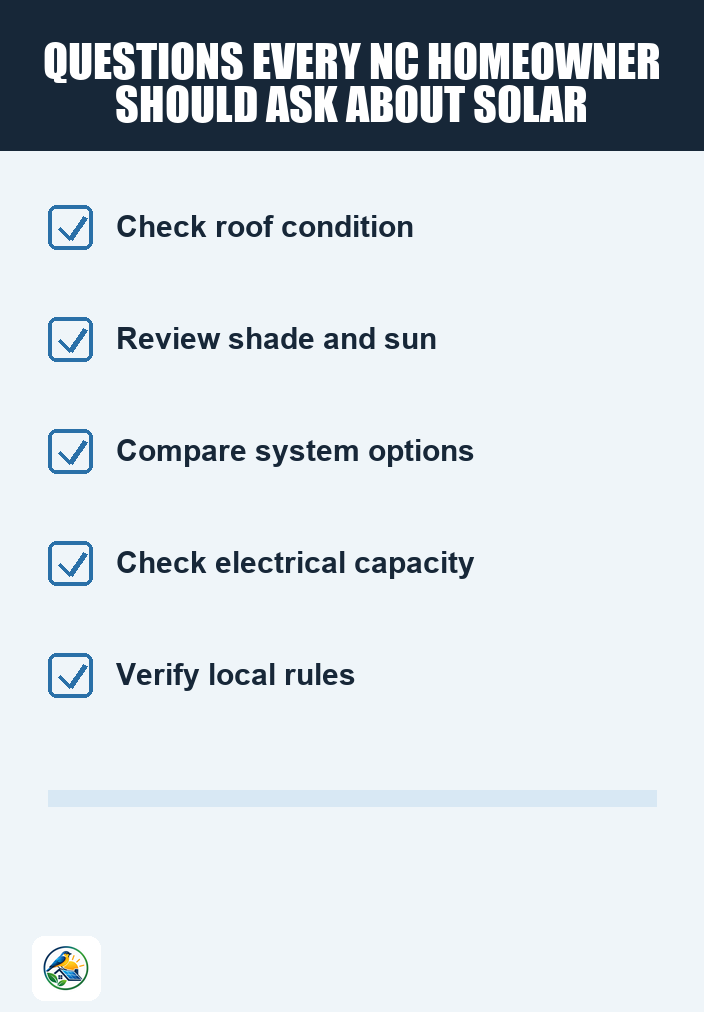
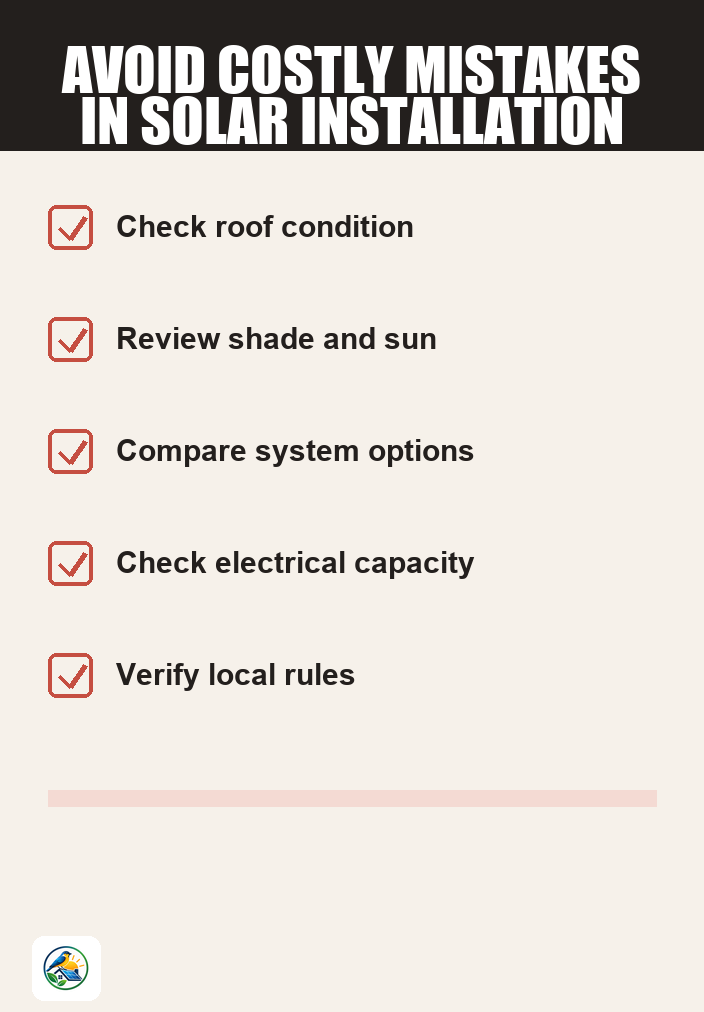
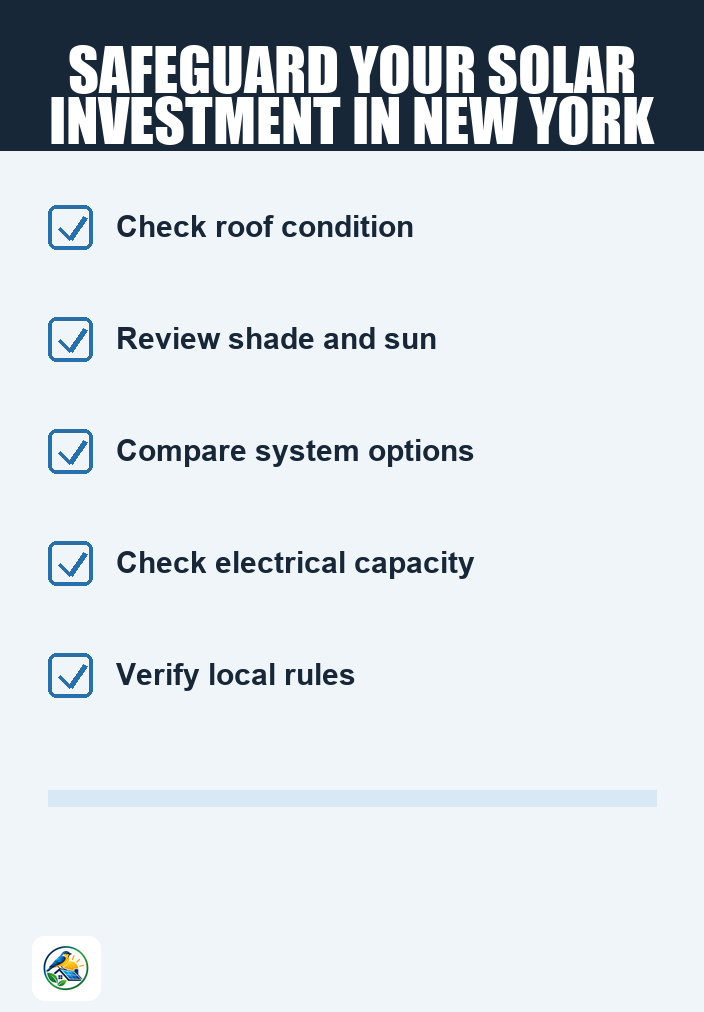
- Roof Condition: Ensure your roof is in good shape and can support the weight of solar panels. If your roof is old or damaged, you might need repairs or even a replacement before installation.
- Orientation and Shade: The ideal roof for solar panels faces south with minimal shading from trees or nearby structures. A professional can help evaluate your roof’s solar potential.
- Electrical Upgrades: Depending on your current electrical system, upgrades may be necessary to accommodate solar energy. This could include a new inverter or panel upgrades.
- Local Regulations: Familiarize yourself with local zoning laws and permitting requirements, as these can vary significantly by location in California.
How Do I Choose a Solar Installer?
Choosing the right solar installer is crucial for a successful installation. Here are some tips for selecting a qualified professional:
- Research and Reviews: Check online reviews and ratings of local solar installers. Look for feedback on installation quality and customer service.
- Get Multiple Quotes: Obtain quotes from at least three different installers to compare pricing and services. Make sure each quote is itemized, detailing equipment, installation fees, and any additional costs.
- Verify Credentials: Ensure the installer is licensed, insured, and has the necessary certifications. This adds a layer of protection for your investment.
- Ask About Warranties: Inquire about warranties on both equipment and installation. A reputable installer should offer a warranty that covers both defects and performance.
What Are the Costs Involved in Solar Installation?
Costs for solar installations can vary widely based on several factors, including system size, equipment quality, and installation complexity. Here are some elements to consider:
- System Size: The larger the system, the higher the cost. A professional installer can help you determine the appropriate size based on your energy usage.
- Equipment Choices: Quality matters—different panel types and inverter models can significantly affect the cost. Research the pros and cons of different technologies before making a decision.
- Installation Factors: Roof type, pitch, and accessibility can impact installation costs. Complex installations may require more labor and time.
It’s essential to gather quotes that detail all costs involved and verify the current prices in your local area, as they fluctuate over time.
How Do I Navigate Incentives and Financing?
California offers various incentives for solar installations, including state tax credits and rebates. However, these incentives can change frequently, so it’s vital to verify the current offerings. Here’s what you need to know:
- Federal Investment Tax Credit (ITC): This tax credit allows you to deduct a percentage of your solar installation costs from your federal taxes. Confirm the current percentage rate, as it can change annually.
- State and Local Incentives: Check with your state and local government for additional rebates or incentives that may apply to your installation.
- Financing Options: Consider various financing options, including cash purchases, loans, or leases. Each has its advantages and drawbacks, so weigh the options based on your financial situation.
What Are the Common Challenges to Solar Installation?
While the benefits of solar energy can be significant, there are challenges homeowners should consider:
- Permitting Delays: The permitting process can vary in length and may delay your installation. Start this process early to avoid surprises.
- Utility Policies: Understand your utility’s net metering policy, as this can affect how much credit you receive for excess energy sent back to the grid.
- Maintenance Needs: Solar systems generally require minimal maintenance, but it’s still important to keep panels clean and monitor performance regularly.
Next Steps in Your Solar Journey
As you navigate your solar installation experience, take the time to compare itemized quotes from qualified installers. This will help you understand your options and make an informed decision that aligns with your energy needs and financial situation. Remember to do your research on the latest incentives and local regulations, as these can significantly impact your solar journey.