
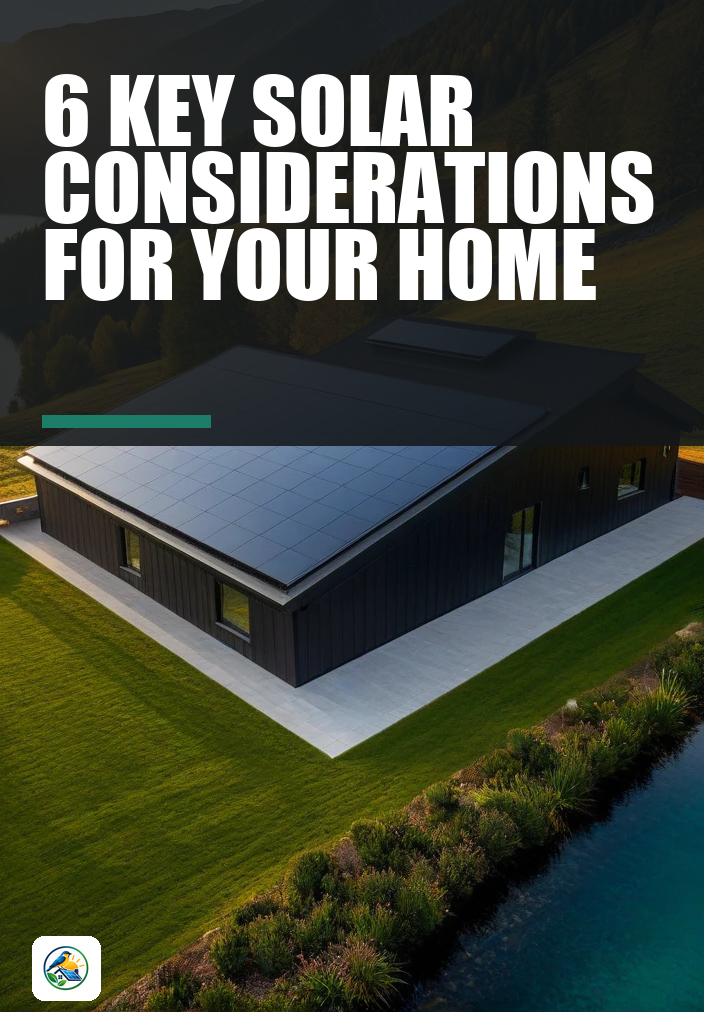
Understanding Your Energy Needs and Roof Suitability
Before diving into the world of solar installation, it’s essential to evaluate your home’s energy needs and the suitability of your roof. A typical 2000 square foot home might have varying energy consumption patterns based on factors such as the number of occupants, appliances in use, and even the local climate.
Assessing Energy Consumption
Start by reviewing your electricity bills from the past year. This will give you a good sense of your average monthly energy consumption in kilowatt-hours (kWh). Typical household energy use varies, but a general range for a home of this size may be between 800 to 1,200 kWh per month, depending on factors like heating and cooling needs.
Evaluating Roof Conditions
Your roof is a critical component of any solar installation. Consider these aspects:
- Age and Condition: If your roof is nearing the end of its lifespan, it may need repairs or replacement before installing solar panels.
- Orientation: South-facing roofs typically receive the most sunlight, while east and west-facing roofs can also be viable options.
- Shade: Trees or nearby buildings can cast shadows on your roof, reducing solar efficiency. A professional installer can assess the shading impact at different times of the day.
- Pitch: The angle of your roof can influence how much sunlight the panels receive. Most solar panels perform well on a variety of pitches, but steeper roofs may require specialized mounting equipment.
Choosing Between Grid-Tied Solar, Battery Backup, and Off-Grid Systems
Once you’ve assessed your energy needs and roof conditions, consider the type of solar system that best suits your lifestyle:
Grid-Tied Systems
Grid-tied systems are the most common type for residential installations. They connect directly to the utility grid, allowing you to draw energy when your solar panels aren’t producing enough power (e.g., at night) and sell excess energy back to the grid. This option generally requires less upfront investment and is easier to maintain.
Battery Backup Systems
Adding a battery backup to your solar system enables you to store excess energy for later use, providing power during outages or when energy demand is high. Keep in mind that battery systems add to the initial costs and require ongoing maintenance. They are particularly valuable in areas with unreliable grid service or for homeowners looking for greater energy independence.
Off-Grid Systems
Off-grid systems are entirely independent from the utility grid and rely solely on solar energy. While they provide complete energy autonomy, they require larger investments in both solar panels and battery storage. Off-grid systems are typically suited for remote locations but can also be a choice for those committed to sustainable living.
Estimating System Size and Costs
The size of your solar system will depend on your energy needs and roof capacity. A common rule of thumb is that a 1 kW solar system produces about 1,200 to 1,500 kWh annually, but this can vary significantly based on local conditions.
Basic Sizing Calculation
To estimate the size of the system you might need, follow this formula:
- Determine your monthly energy usage (in kWh).
- Divide your monthly usage by the average production of a 1 kW system in your area (usually around 100-125 kWh/month).
- This will give you an approximate size in kW. For example, if you use 1,000 kWh/month and your area averages 120 kWh/month per kW, you would need around 8.3 kW of solar capacity.
Keep in mind that installation costs can vary widely by region and the specifics of your installation. Factors include the type of system, roofing complexity, and local labor rates. As a rough estimate, residential solar installations might range from $15,000 to $30,000 before incentives.
Incentives, Permitting, and Installation Considerations
Before proceeding, it’s crucial to investigate local incentives and permitting requirements. Tax credits, rebates, and financing options can significantly affect your overall costs, but they vary by state and local jurisdiction. Consult local government or utility websites for the most current information.
Permitting and Interconnection
Installing a solar system typically requires permits from your local government and interconnection agreements with your utility provider. This process can take anywhere from a few weeks to several months, depending on local regulations. Be prepared to provide documentation about your installation plans and equipment.
Finding a Qualified Installer
One of the most critical steps in your solar journey is selecting a qualified installer. Look for professionals with experience, positive reviews, and relevant certifications. A reputable installer will conduct a thorough site assessment to provide an accurate quote, considering all the factors discussed.
Comparing Quotes
When you receive quotes, compare them carefully. Look for itemized costs, including equipment, installation, and any additional fees. It’s essential to understand what is included in the quote and verify that the installer is familiar with local incentives and permitting processes.
Practical Next Steps
As you navigate the decision to install solar panels in your 2000 square foot home, take the following steps:
- Evaluate your energy consumption and roof suitability.
- Decide on the type of solar system that best fits your needs.
- Estimate the size of the system you may require.
- Investigate local incentives, permitting, and installation timelines.
- Request and compare itemized quotes from qualified installers.
With careful planning and informed decisions, you can determine whether solar energy is a suitable option for your home. Remember, the path to solar energy is not the same for everyone and should be tailored to your specific situation and goals.


















