
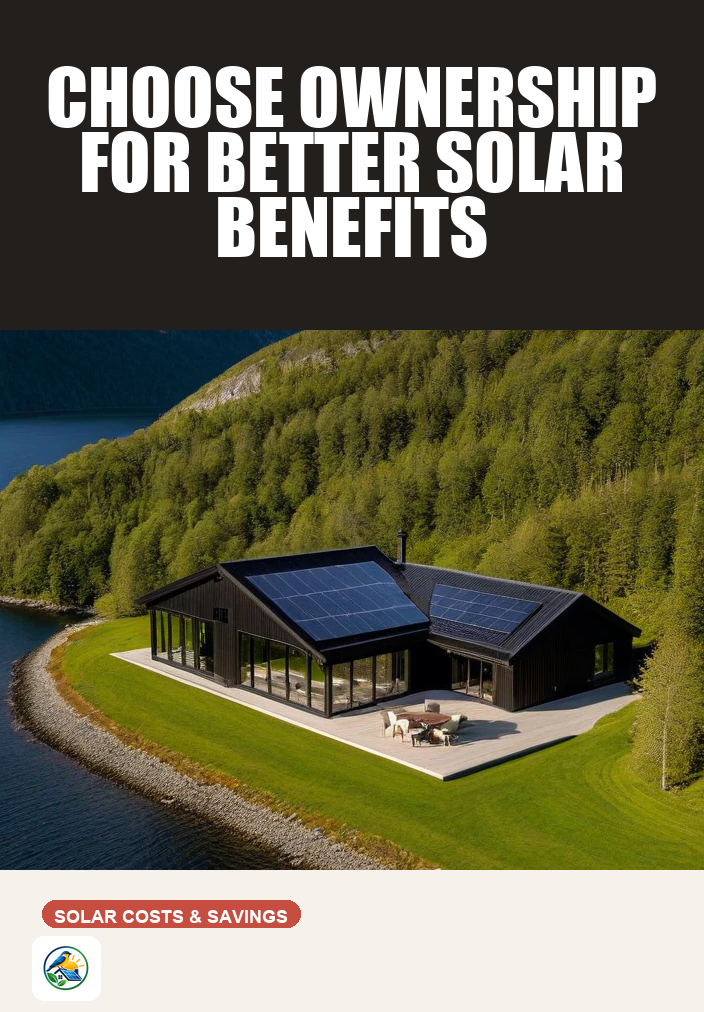
Understanding Solar Leases vs. Owned Panels
If you’re considering a residential rooftop solar system, one of the first decisions you’ll face is whether to lease the solar panels or purchase them outright. Each option has its own set of benefits and drawbacks, and the best choice for your home will depend on various factors including your financial situation, energy goals, and property conditions. This article will help you weigh the benefits of solar leases against owned panels before installation.
What Are Solar Leases?
A solar lease allows you to install solar panels on your property without the upfront costs associated with purchasing the system. Instead, you pay a monthly fee to a solar company that owns and maintains the panels. In many cases, the lease payments are lower than your previous energy bills, providing immediate cash flow benefits.
Key Features of Solar Leases
- No Upfront Costs: With a lease, you typically don’t pay anything upfront, making solar more accessible.
- Maintenance Included: The leasing company usually handles maintenance and repairs, saving you from unexpected costs.
- Predictable Payments: Your lease payment is fixed, which can help you budget for energy costs.
The Case for Owned Panels
Purchasing solar panels outright means you own the system and, therefore, enjoy all the benefits that come with ownership. While the initial investment is higher, many homeowners find that owning panels can be more rewarding in the long run.
Advantages of Owning Solar Panels
- Long-Term Savings: Once the system is paid off, your energy costs can significantly decrease, and you may even eliminate your electric bill.
- Increased Home Value: Owned solar panels can enhance your home’s resale value, as buyers may see them as a desirable feature.
- Tax Incentives: Depending on your location, you may be eligible for tax credits or incentives, which can significantly reduce your upfront costs.
Comparing Costs: Leasing vs. Owning
Understanding the financial implications of leasing versus owning solar panels is crucial. Here are some considerations:
Upfront Costs
Leasing generally requires little to no upfront investment, while purchasing panels can involve a significant initial cost. However, financed purchases can sometimes offer low-interest rates, making them more manageable.
Monthly Payments
With a lease, you will have a fixed monthly payment, which could be lower than your previous electric bills. On the other hand, if you own the system, you might experience higher payments initially, but those payments can decrease over time as you pay off the system.
Long-Term Financial Implications
Leased systems typically do not build equity in the same way owned systems do. When you own panels, you benefit from any energy savings after your system is paid off. Consider how long you plan to stay in your home, as this can influence the overall financial benefits of ownership.
Homeowner Considerations
Before making a decision, consider the following factors:
Roof Condition and Orientation
Your roof’s condition, orientation, and available sunlight are critical for solar panel performance. A roof in good condition with minimal shade will yield better results whether you lease or own.
Future Plans
If you plan to move in the near future, leasing may be more appropriate as it allows for easier transfer of the lease to the new owner. If you plan to stay long-term, ownership may provide more financial benefits.
Financial Stability
Consider your current financial situation. If you can afford the upfront costs and are looking for long-term savings, owning may be the better option. Conversely, if you prefer lower monthly payments without the burden of maintenance, leasing could be a more appealing choice.
Evaluating Your Energy Needs
Understanding your energy consumption habits can guide your decision. Consider the following:
- How much energy do you currently use, and are you looking to reduce that consumption?
- Do you plan to add electric vehicles or make other changes that could affect your energy usage?
- How does your utility company handle net-metering, and how might that affect your potential savings?
When to Seek Professional Guidance
Getting quotes from qualified installers can provide clarity on your options. They can assess your property, evaluate your energy needs, and offer itemized estimates for both leasing and purchasing systems. This information will help you compare costs and benefits more effectively.
Next Steps: Making Your Decision
Choosing between a solar lease and owning solar panels is a significant decision that can impact your finances and energy independence. Here are some practical next steps:
- Assess your financial situation to determine what you can afford.
- Evaluate your roof’s condition and energy needs.
- Gather quotes from multiple qualified solar installers to compare itemized costs.
- Review local incentives and financing options to understand the potential benefits.
By weighing the pros and cons of solar leases and owned panels, you can make an informed decision that aligns with your financial goals and energy needs. Remember, the right choice can vary based on your unique circumstances, so take the time to explore all your options.


















