Understanding Solar and Battery Systems for Well Pumps: Essential Questions Answered
As homeowners increasingly seek sustainable solutions for their energy needs, solar and battery systems have emerged as popular options. For those relying on well pumps for their water supply, understanding how these systems work together can be vital for making informed decisions. This article aims to clarify key aspects of integrating solar power and battery storage with well pump systems, addressing essential questions to help you navigate your options.
What Are Solar and Battery Systems for Well Pumps?
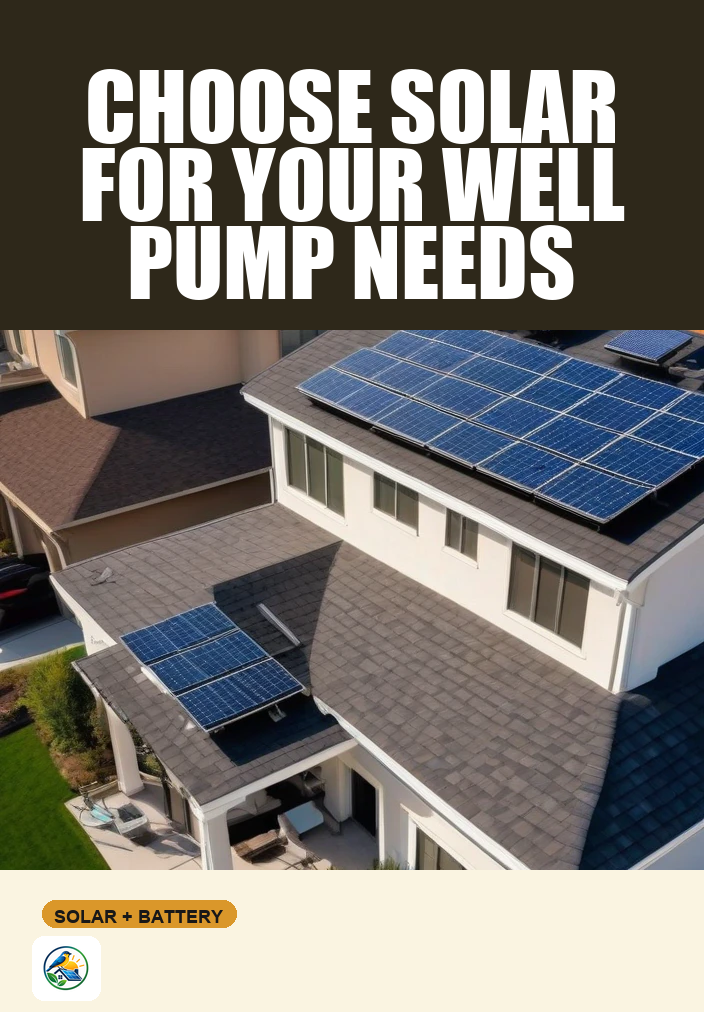
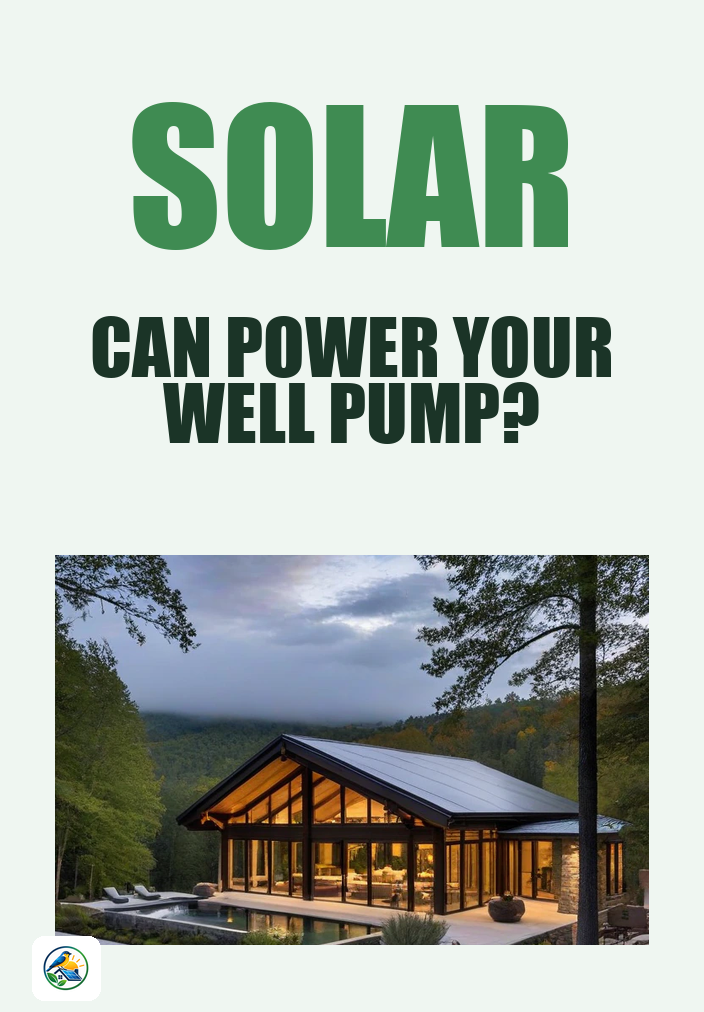
Solar and battery systems for well pumps involve using solar panels to harness sunlight and convert it into electricity, which can then be used to power the well pump. A battery storage system can store excess energy generated during the day for use during low sunlight hours or in case of a power outage. Here’s a breakdown of the main components:
- Solar Panels: Convert sunlight into electricity.
- Inverter: Converts the direct current (DC) produced by the solar panels into alternating current (AC) used by most appliances, including well pumps.
- Battery Storage: Stores excess energy for later use, ensuring that your well pump can operate even when the sun isn’t shining.
- Well Pump: The device that draws water from your well. It can be either submersible or above-ground, and its power requirements will influence the overall system design.
Key Considerations for Homeowners
When considering a solar and battery system for a well pump, several factors come into play. Here are some important considerations:
1. Power Requirements
Understanding the power needs of your well pump is crucial. Different pumps have varying wattage requirements, which can impact the size of the solar array and battery system you’ll need. Here’s how to get started:
- Check the pump’s specifications for its power consumption (in watts).
- Consider the pump’s duty cycle—how long it runs each day.
- Calculate the total daily energy consumption by multiplying the power usage by the number of hours the pump operates.
For example, if your well pump uses 500 watts and runs for 4 hours daily, its daily energy requirement would be 2,000 watt-hours (or 2 kWh).
2. System Sizing
Once you know your well pump’s power requirements, sizing your solar and battery systems becomes easier. Here’s a simple approach:
- Calculate the total energy production needed from solar panels based on your energy consumption.
- Factor in potential energy losses from the inverter and battery.
- Consider local weather patterns affecting solar production, such as cloudy days or seasonal variations.
It’s advisable to consult with a professional installer to accurately size your system based on local conditions and your specific needs.
3. Grid-Tied vs. Off-Grid Systems
Deciding between a grid-tied system and an off-grid setup is a significant choice. Here’s a brief overview of each:
- Grid-Tied Systems: These systems remain connected to the local electricity grid. They can draw power from the grid when solar production is low and return excess energy to the grid, often through net metering. This setup is typically more affordable and simpler to install.
- Off-Grid Systems: These systems are entirely independent of the grid and require enough solar and battery capacity to meet all energy needs. They are ideal for remote locations but generally involve higher upfront costs and more complex planning.
4. Battery Options and Limitations
Batteries are essential for storing energy, but they come with various options and limitations. Consider the following:
- Types of Batteries: Common types include lead-acid, lithium-ion, and flow batteries. Lithium-ion tends to offer better efficiency and longer lifespan, while lead-acid batteries are often cheaper but have shorter life cycles.
- Capacity and Depth of Discharge: Battery capacity is measured in kilowatt-hours (kWh). Look for batteries that can handle the depth of discharge (DoD) necessary for your needs without degrading their lifespan.
- Maintenance: Some battery systems require more maintenance than others. Be sure to understand the upkeep involved.
5. Installation and Permitting
Installing a solar and battery system for your well pump typically requires professional installation. Here’s what to keep in mind:
- Local Regulations: Check local zoning laws and building codes to ensure compliance.
- Permitting: Many areas require permits for solar installations. A qualified installer can help navigate this process.
- Utility Policies: Understand your utility’s policies regarding interconnection, net metering, and incentives. These can vary widely.
Common Drawbacks and Constraints
While solar and battery systems offer numerous benefits, there are also potential drawbacks to consider:
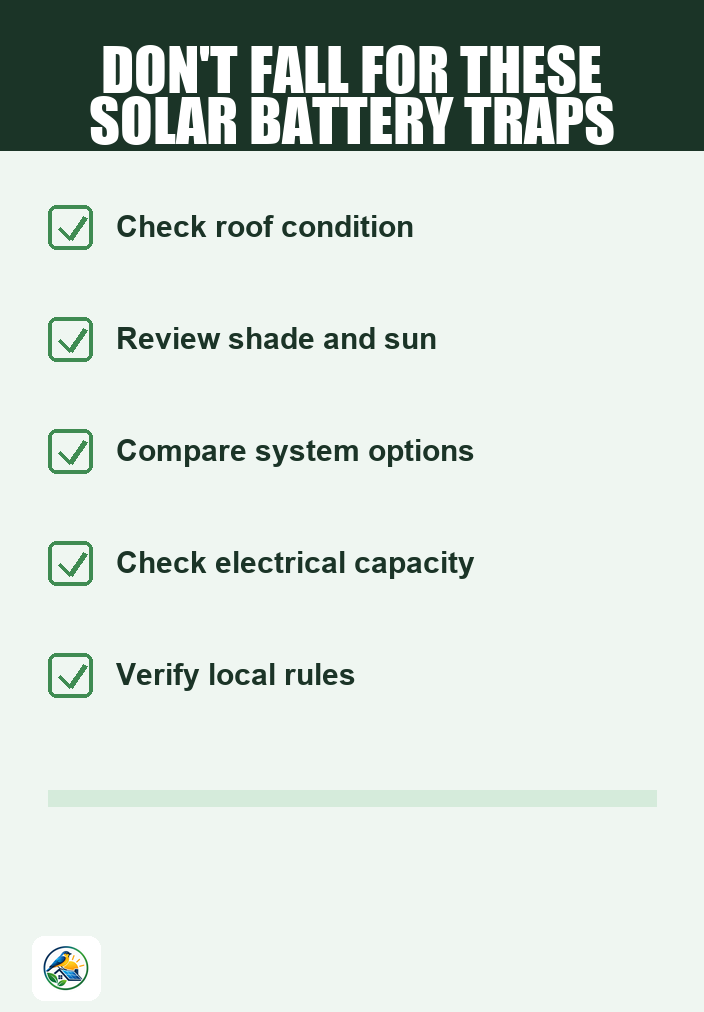
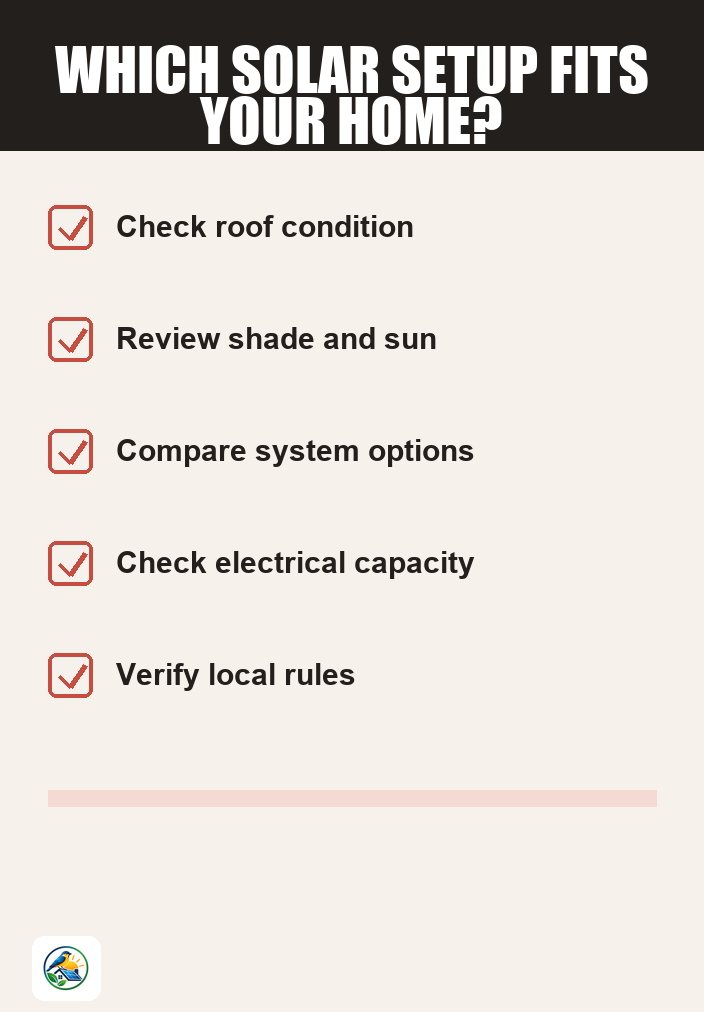
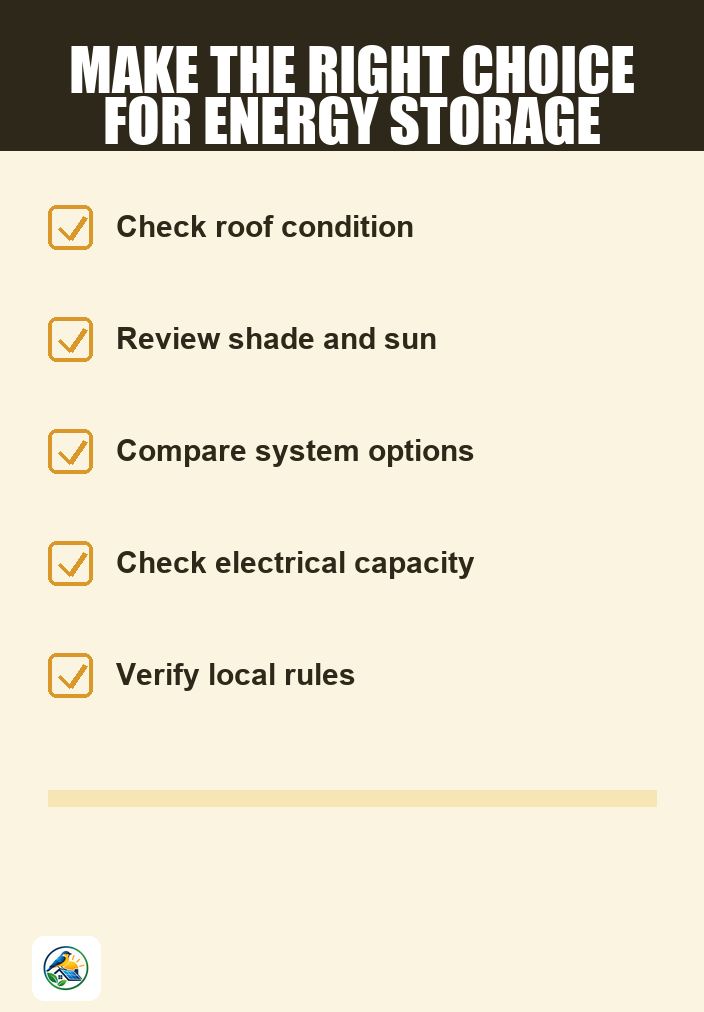
- Roof Condition and Orientation: Your roof must be in good condition and ideally oriented towards the sun to maximize solar production. Shade from trees or buildings can also reduce efficiency.
- Electrical Upgrades: Depending on your existing electrical system, you may need to invest in upgrades to accommodate new solar and battery equipment.
- Weather Variability: Solar energy production can fluctuate due to weather conditions, potentially affecting your well pump operation.
Next Steps for Homeowners
Deciding to integrate a solar and battery system for your well pump can be a significant investment. To move forward effectively:
- Assess your well pump’s energy needs and consider the factors discussed above.
- Research local installers and request itemized quotes to compare costs and services.
- Verify current incentives, permitting requirements, and utility policies in your area before making a final decision.
By conducting thorough research and consulting with qualified professionals, you can make a well-informed choice that best suits your home and energy needs.