
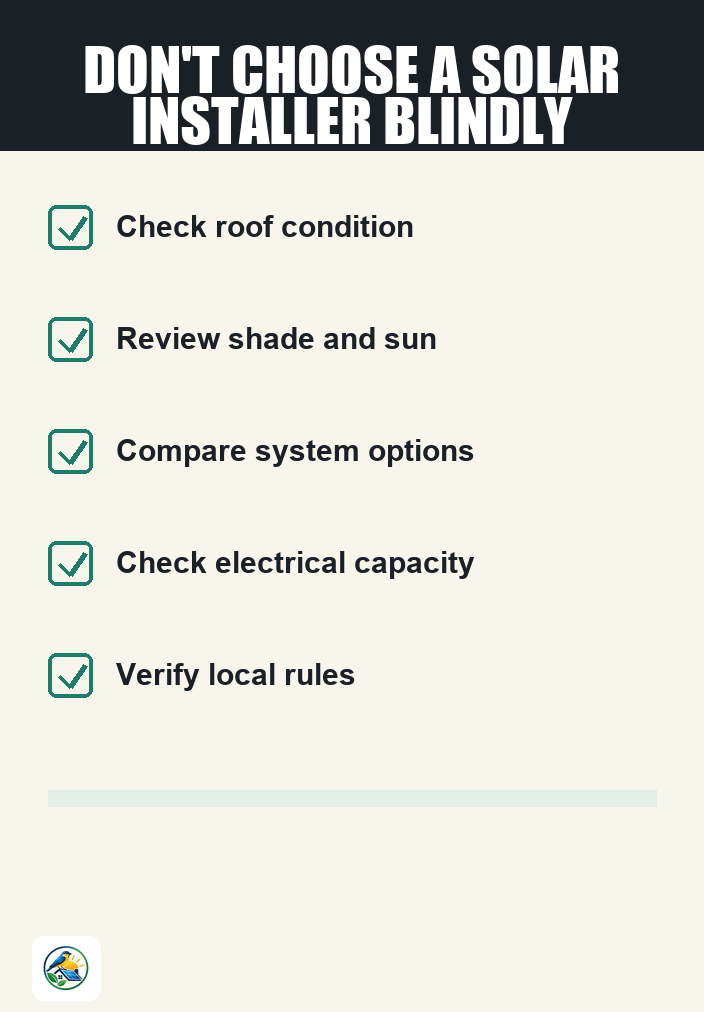
Understanding the Importance of Multiple Quotes for Solar Installation
When considering the installation of a residential rooftop solar system, obtaining multiple quotes is a crucial step. This not only helps you understand the market rates but also enables you to compare services, equipment options, and warranties. Each installer may offer different product lines, financing plans, and installation techniques, which can significantly influence your decision.
This article provides a comprehensive checklist to help you navigate the process of obtaining multiple quotes for your solar installation project. We’ll cover what to look for, key questions to ask, and important considerations to ensure you make an informed choice.
Your Solar Installation Checklist: Key Considerations
1. Assess Your Energy Needs
Before reaching out to installers, it’s essential to evaluate your household’s energy consumption. Reviewing your utility bills from the past year can give you a good idea of your monthly and annual usage. This information will help installers size the system appropriately.
- Monthly Usage: Note your average kilowatt-hour (kWh) consumption.
- Peak Usage Times: Identify when you use the most energy (e.g., evenings, weekends).
- Future Changes: Consider any potential changes in your energy use, such as adding electric vehicles or home appliances.
2. Evaluate Your Roof’s Suitability
Your roof plays a critical role in the feasibility of solar installation. Assess its condition, orientation, and shading to determine if it can accommodate solar panels.
- Roof Condition: Ensure your roof is in good shape and may require repairs before installation.
- Orientation: South-facing roofs typically receive the most sunlight, but east and west-facing roofs can also be viable.
- Shading: Trees, chimneys, and other structures can block sunlight. Use tools or consult with installers to assess shading throughout the year.
3. Research Local Incentives and Regulations
Incentives for solar energy can vary widely based on location. Before getting quotes, familiarize yourself with local, state, and federal incentives that may apply to your installation. This may include tax credits, rebates, and net metering rules.
- State Incentives: Check for any state-specific rebates or tax credits available to homeowners.
- Local Utility Policies: Understand your utility’s net metering policy, which allows you to sell excess energy back to the grid.
- Permitting Requirements: Research the permitting process in your area, as this can affect installation timelines.
4. Gather Quotes from Qualified Installers
Once you have a clear understanding of your energy needs and local regulations, it’s time to contact solar installers. Aim for at least three quotes to ensure you have a variety of options.
- Qualified Installers: Choose licensed and insured installers with a good reputation in your area.
- Itemized Quotes: Request detailed quotes that break down equipment costs, installation fees, and labor.
- Product Options: Ask about the brands and types of solar panels and inverters each installer recommends.
5. Key Questions to Ask Installers
To ensure you’re making a well-informed decision, consider asking the following questions during your consultations:
- Experience: How long have you been in the solar installation business?
- Warranties: What warranties do you offer on the equipment and installation?
- Maintenance: What maintenance is required after installation, and how do you handle service calls?
- Financing Options: What financing plans are available? Do you offer loans, leases, or power purchase agreements?
Comparing Quotes: What to Look For
1. Price vs. Value
While price is an important factor, it shouldn’t be the only consideration. Compare the overall value offered by each installer. This includes the quality of materials, warranties, and customer service. A lower upfront cost may not always translate to long-term savings if the equipment is subpar or if service is lacking.
2. System Size and Design
Ensure each quote outlines the proposed system size and design. This includes the number of panels, type of inverters, and any additional components like battery storage. Each installer may have a different approach based on their assessment of your home.
3. Energy Production Estimates
While actual energy production will vary based on many factors, installers should provide estimates based on your roof’s characteristics and expected sunlight exposure. Compare these estimates to understand potential performance differences.
Understanding Installation Options: Grid-Tied vs. Battery Backup
When evaluating quotes, consider the type of system being proposed. The two main types are grid-tied systems and battery backup systems.
- Grid-Tied Systems: These systems are connected to the utility grid, allowing you to draw power when your solar system isn’t producing enough energy. They typically cost less than battery systems but don’t provide backup power during outages.
- Battery Backup Systems: These systems can store excess energy for use during peak times or outages. However, they come with higher upfront costs and may require more maintenance.
Next Steps: Making the Decision
After gathering and comparing multiple quotes, take time to review the details carefully. Look at the itemized costs, warranties, and services offered. It may be helpful to create a comparison table to visualize differences and similarities.
Once you’ve made your choice, ensure all agreements are clear before signing any contracts. Verify the details with your chosen installer, including timelines for installation, payment schedules, and any necessary permits.
In conclusion, obtaining multiple quotes allows you to make a more informed decision about your solar installation. By following this checklist and asking the right questions, you’ll be better equipped to find a solution that fits your energy needs and budget.


















