Understanding Your Solar Installation Financing Options
For Texas homeowners, the prospect of installing a solar energy system can be both exciting and daunting, especially when budget constraints are a significant consideration. With various financing options available, it’s essential to navigate these carefully to find a solution that fits your financial landscape. This guide will explore the most common solar installation financing options, their trade-offs, and key considerations for homeowners.
Common Solar Financing Options
When it comes to financing your solar installation, several options are available, each with its own set of benefits and drawbacks. Here’s a breakdown of the most common methods:
1. Cash Purchase
Paying for a solar system upfront with cash is the simplest option. This method provides immediate ownership, allowing you to enjoy the benefits of energy savings and potential tax incentives.
- Pros: Full ownership, no interest payments, and eligibility for potential tax credits.
- Cons: High upfront cost may not be feasible for all homeowners.
2. Solar Loans
Solar loans allow homeowners to finance their solar systems through a bank or a specialized lender. This option typically involves monthly payments that can be spread over several years.
- Pros: Lower upfront costs and the ability to take advantage of solar savings sooner.
- Cons: Interest costs can add up, and loan terms vary widely, impacting overall affordability.
3. Solar Leases
With a solar lease, a homeowner pays a fixed monthly fee to use the solar system installed on their property without owning it. The installation company retains ownership and is responsible for maintenance.
- Pros: Lower upfront costs and no maintenance responsibilities.
- Cons: Limited financial benefits as you don’t own the system, and lease terms can be lengthy.
4. Power Purchase Agreements (PPAs)
Similar to a lease, a PPA allows homeowners to pay for the energy produced by the solar system rather than for the system itself. Payments are often lower than traditional utility rates.
- Pros: No upfront costs and potential savings on energy bills.
- Cons: Long-term commitment and potential for price increases over time.
Evaluating Your Home’s Solar Suitability
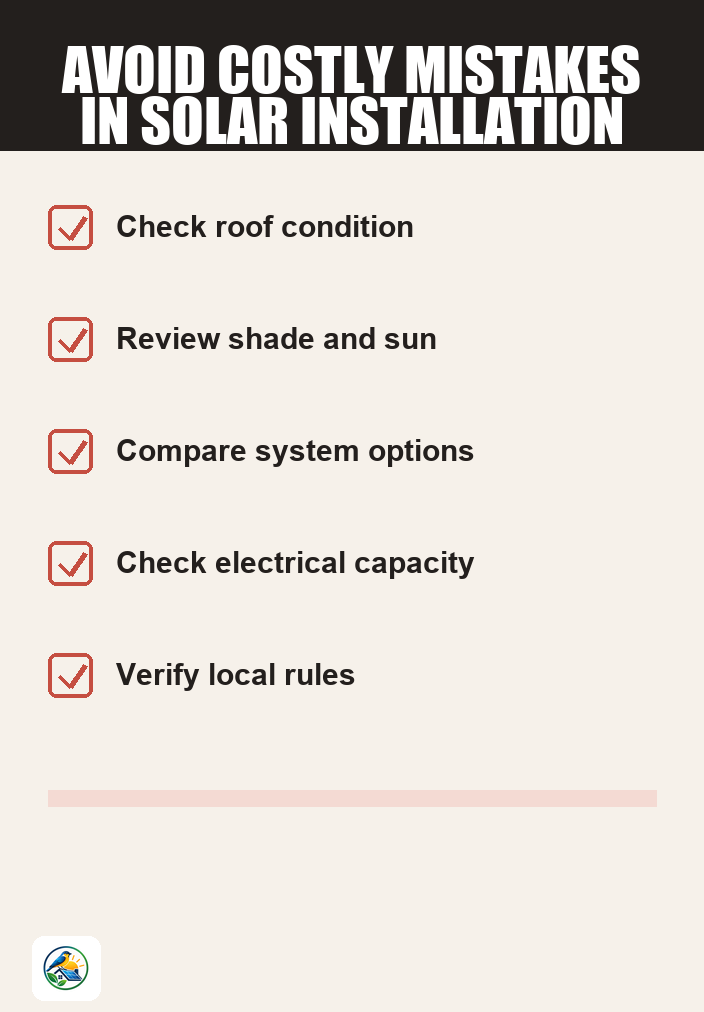
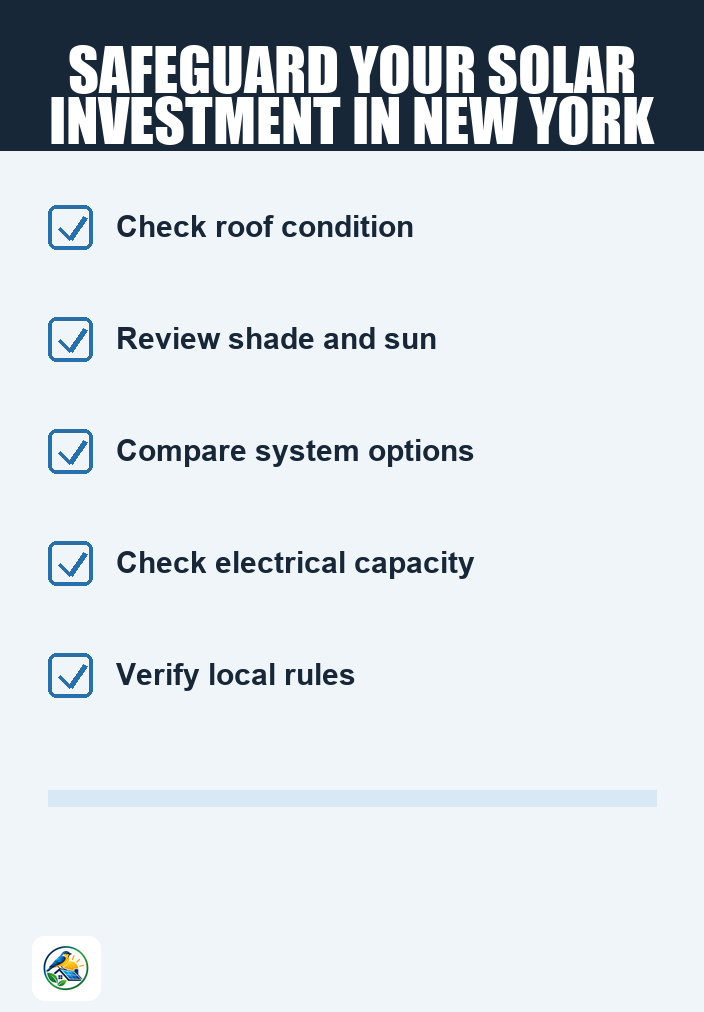
Before diving into financing options, it’s crucial to evaluate whether solar is a suitable investment for your home. Here are some factors to consider:
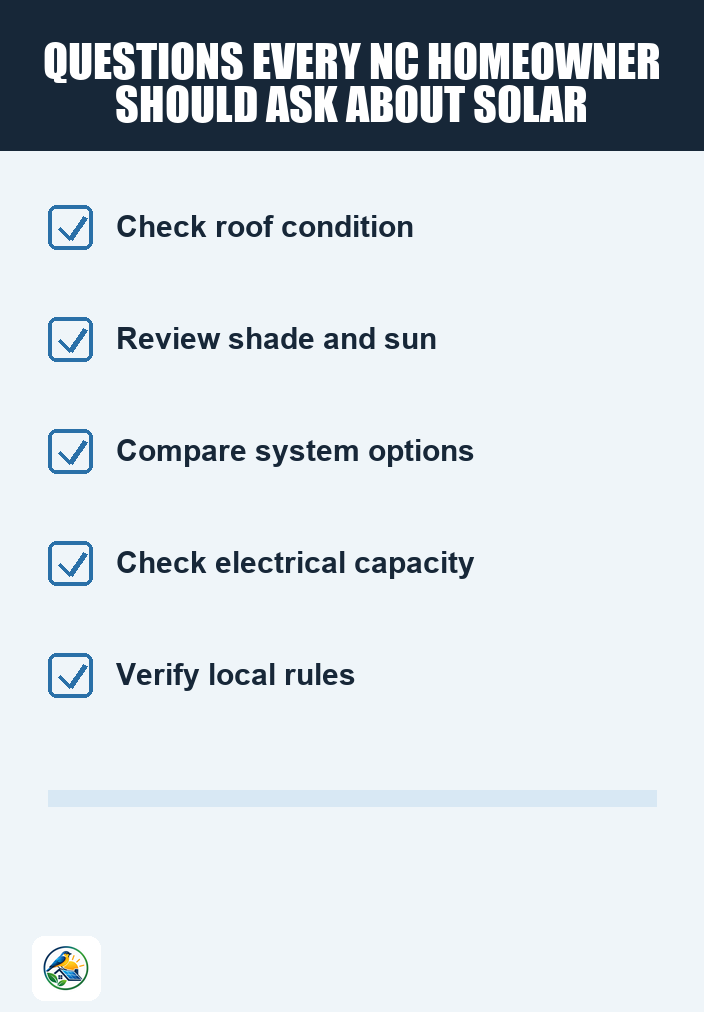
- Roof Condition: Ensure your roof is in good shape and can support solar panels. Repairs may add to your costs.
- Shade and Orientation: Assess how much sunlight your roof receives. Shaded areas or poor orientation can reduce system performance.
- Electrical System: Older homes may need electrical upgrades before a solar installation, which can increase costs.
Understanding Incentives and Rebates
Texas homeowners may have access to various incentives and rebates that can alleviate some of the financial burden of installing solar. However, it’s important to verify the current availability of these programs, as they can change frequently. Common incentives might include:
- Federal tax credits (check for the most current percentages).
- State or local rebates (if available).
- Net metering programs that allow you to receive credits for excess energy produced.
Homeowners should consult local utility providers and government resources to get accurate, up-to-date information on available incentives.
Comparing Quotes from Installers
Once you’ve determined that solar energy is a viable option for your home, obtaining quotes from qualified installers is the next step. Here are some practical tips for comparing these quotes:
- Itemization: Ensure each quote includes detailed line items for equipment, installation, permits, and financing costs.
- System Size: Compare the proposed system sizes and their expected energy output based on your home’s needs.
- Warranty and Maintenance: Check what warranties are offered on both the equipment and installation, as well as any maintenance agreements.
Evaluating Trade-offs in Financing Options
Every financing option has its trade-offs. When selecting a method, consider how long you plan to stay in your home, your monthly budget, and your comfort level with debt. Here are some considerations:
- Cash Purchases: Ideal for long-term homeowners looking to maximize savings.
- Loans: Good for those who want to own their system without paying upfront but are comfortable with monthly payments.
- Leases and PPAs: Suitable for homeowners who prioritize lower initial costs and don’t mind not owning the system.
Final Thoughts and Next Steps
Financing a solar installation in Texas can seem overwhelming, but by understanding your options and assessing your home’s suitability, you can make informed decisions. Always verify current local utility, installer, government, and tax information. To move forward, gather itemized quotes from qualified solar installers, evaluate your financing options, and consider how each fits into your long-term plans.
Taking the time to explore your options will ensure that your solar investment aligns with both your budget and your energy needs.