
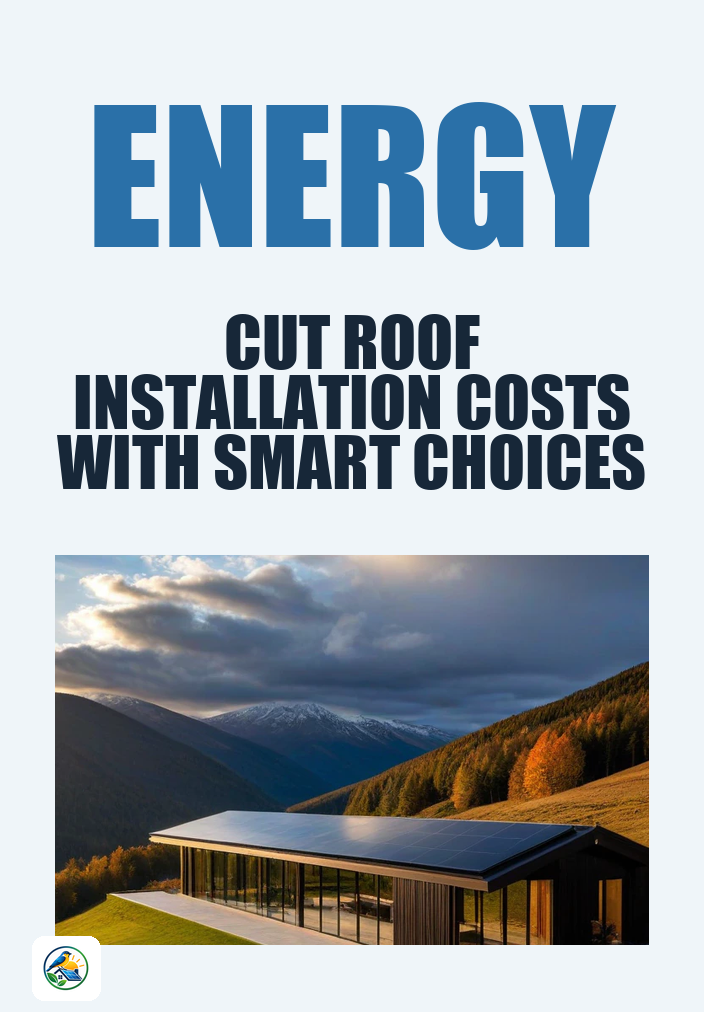
Understanding the Basics of Solar Savings
Maximizing your solar savings begins with understanding the various factors that influence both installation costs and potential savings. Solar energy can be a great way to reduce your utility bills and increase your home’s energy independence. However, the financial implications can vary widely based on your specific circumstances.
Assessing Your Home’s Suitability for Solar
Before diving into installation, it’s crucial to evaluate whether your home is suitable for solar panels. Here are some key factors to consider:
- Roof Condition: Ensure your roof is in good condition. If your roof needs repairs or replacement, it’s best to handle that before installing solar panels.
- Orientation and Tilt: South-facing roofs typically receive the most sunlight. However, east and west-facing roofs can still be effective.
- Shading: Trees, buildings, or other obstructions can significantly reduce solar panel efficiency. A site assessment by a professional can help identify any shading issues.
- Local Climate: Areas with more sunlight will generally yield better results, though solar panels can still generate electricity on cloudy days.
Understanding Installation Costs
The cost of installing solar panels can vary considerably based on a variety of factors. Here’s what to keep in mind:
- System Size: The larger the system, the higher the upfront cost. Typically, a system is sized based on your energy consumption and roof space.
- Equipment Quality: Higher-quality panels and inverters may cost more upfront but can lead to better efficiency and durability.
- Labor Costs: Installation labor rates can vary by region. Always obtain multiple quotes to compare labor costs.
- Permitting and Fees: Depending on your local regulations, there may be additional costs associated with permits and inspections.
Financing Options to Consider
Financing your solar installation can help manage upfront costs. Here are some common financing options:
- Cash Purchase: Paying upfront can save you money on interest and financing fees, and you will own the system outright.
- Solar Loans: Many lenders offer loans specifically for solar installations. These can have varying interest rates and terms, so shop around.
- Leases and Power Purchase Agreements (PPAs): With these options, you can install solar with little to no upfront cost, but you may miss out on certain tax incentives.
Exploring Tax Incentives and Rebates
While there are often tax credits and incentives available for solar installations, these can change and vary by location. It’s essential to verify the current incentives that apply to your situation:
- Federal Tax Credit: A federal solar tax credit may allow you to deduct a percentage of your solar installation costs from your federal taxes. Check the current percentage and eligibility requirements.
- State and Local Incentives: Some states and municipalities offer additional incentives, rebates, or grants. Research local programs to maximize savings.
- Net Metering: Understand how your utility company handles net metering, which allows you to sell excess energy back to the grid, potentially lowering your overall electricity costs.
Choosing the Right Installer
Finding a qualified solar installer is crucial for ensuring a successful installation. Here are some tips for selecting an installer:
- Get Multiple Quotes: Always obtain at least three itemized quotes from different installers. This allows you to compare pricing, equipment, and services offered.
- Check Credentials: Look for licensed and insured installers with a good track record. Reading customer reviews can provide insight into their reputation.
- Ask About Warranties: Inquire about the warranties offered on equipment and installation. A solid warranty can provide peace of mind and potential cost savings in the long run.
Understanding the Trade-offs of Adding a Battery
Home batteries can provide backup power and increase your energy independence, but they also add to the overall cost. Here are some considerations:
- Cost vs. Benefit: Evaluate whether the added cost of a battery makes sense based on your energy needs and local utility rates.
- Battery Life and Maintenance: Batteries require maintenance and eventually need replacement. Understand the lifecycle and warranty of the battery system you’re considering.
- Grid-Tied vs. Off-Grid: Determine if you want to remain connected to the grid or if you’re considering going off-grid. This decision will impact your battery needs and costs.
Maintenance and Monitoring
Once your solar system is installed, ongoing maintenance and monitoring are essential to maximize efficiency. Here’s what to keep in mind:
- Regular Inspections: Schedule periodic inspections to ensure everything is functioning correctly, especially after severe weather.
- Monitoring Systems: Many solar systems offer monitoring tools to track energy production and system performance. Utilize these tools to identify any potential issues.
- Cleaning: While solar panels require minimal maintenance, keeping them clean can help maximize efficiency, especially in dusty or pollen-heavy regions.
Next Steps to Maximize Your Solar Investment
Maximizing your solar savings involves careful planning and research. Start by assessing your home’s suitability for solar and understanding the costs associated with installation. Explore financing options and verify current tax incentives that apply to your situation.
When you’re ready, compare detailed quotes from qualified installers to ensure you’re making a well-informed decision. By taking these steps, you can position yourself to enjoy the benefits of solar energy while minimizing unnecessary costs.


















