
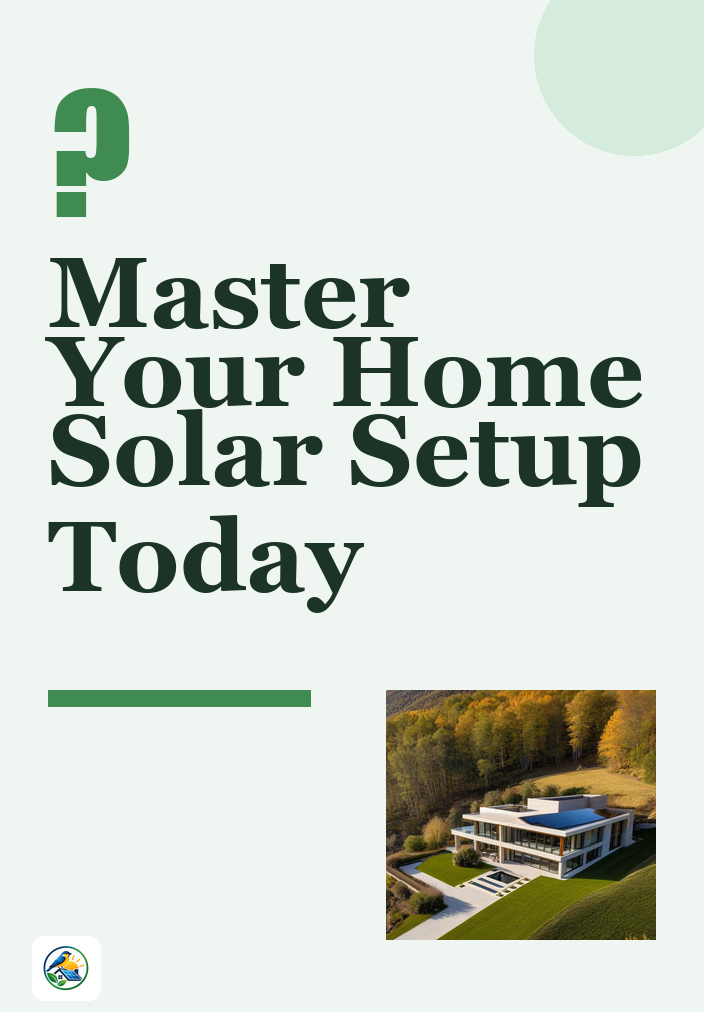
Understanding Your Home’s Solar Potential
Before embarking on a solar installation journey, it’s essential to assess your home’s suitability for solar energy. This involves understanding key factors such as roof orientation, shading, and structural integrity, which can significantly influence the effectiveness of a solar system.
Roof Orientation and Pitch
The direction your roof faces is crucial for solar energy generation. A south-facing roof typically receives the most sunlight throughout the day, while east and west-facing roofs can also be effective but may produce less energy. Additionally, the pitch or angle of your roof can affect the amount of sunlight hitting the panels. Steeper roofs might require special mounting systems, which can impact installation costs.
Shading Considerations
Obstructions such as trees, buildings, or other structures can cast shadows on your solar panels, reducing their efficiency. Assess your property for potential shading throughout the day and across different seasons. You can use tools or apps that simulate sunlight exposure to help visualize shading patterns.
Roof Condition and Material
Before installing solar panels, ensure that your roof is in good condition. If your roof needs repairs or replacement, it’s advisable to address these issues before installation to avoid additional costs in the future. The type of roofing material can also affect installation; for instance, tile roofs may require different mounting hardware than asphalt shingles.
Evaluating Energy Needs and System Size
Understanding your household energy consumption is vital in determining the size of the solar system you need. This requires reviewing your electricity bills from the past year to identify usage patterns.
Calculating Your Energy Consumption
To estimate your energy needs, follow these steps:
- Gather your electricity bills for the last 12 months.
- Calculate your average monthly usage in kilowatt-hours (kWh).
- Identify peak usage months to understand when you consume the most energy.
Once you have a clear picture of your energy consumption, you can work with solar installers to determine the appropriate system size. A general rule of thumb is that a 1 kW solar system produces about 1,200 kWh annually, but this can vary based on your location and system efficiency.
Choosing Between Grid-Tied, Battery Backup, and Off-Grid Systems
There are several types of solar systems, each with unique benefits and trade-offs:
Grid-Tied Systems
Grid-tied solar systems are the most common for residential installations. They connect directly to the utility grid, allowing homeowners to use solar energy during the day and draw from the grid when needed. This system can often take advantage of net metering, where excess energy produced can be sent back to the grid for credits on your utility bill.
Battery Backup Systems
If reliability during power outages is a concern, consider a solar system with battery backup. This setup allows you to store excess energy generated during the day for use during the night or during outages. However, battery systems can significantly increase the initial installation costs and may require additional space.
Off-Grid Systems
Off-grid solar systems are designed for homes not connected to the utility grid. These systems require larger battery storage and backup generators to ensure a reliable power supply. While they provide energy independence, they can also be more complex and costly to install.
Permitting and Utility Considerations
Before installing solar panels, you must navigate local permitting and utility regulations. This process can vary widely based on location and may involve several steps:
Understanding Local Regulations
Check with your local building department for necessary permits. Most jurisdictions require permits for solar installations, and some may have specific codes or zoning regulations.
Interconnection Agreements
If you’re installing a grid-tied system, you may need to sign an interconnection agreement with your utility. This agreement outlines how your system will connect to the grid and any requirements for safety and monitoring.
Financing Your Solar Installation
Financing options can greatly influence the affordability of solar installations. Explore various methods, including:
- Cash Purchase: Paying upfront can provide the best long-term savings.
- Solar Loans: Many lenders offer specialized loans for solar installations, often with favorable rates.
- Leases and Power Purchase Agreements (PPAs): These allow you to pay for the energy produced rather than the system itself, but they may offer less long-term savings compared to ownership.
Remember to evaluate the cost of financing, as it can impact your overall investment. Be cautious of terms and fees associated with loans and leases.
Getting Quotes and Choosing an Installer
Once you’ve completed your research and preparation, it’s time to get quotes from qualified solar installers. Here’s how to approach this step:
Comparing Quotes
When obtaining quotes, ensure they include:
- Itemized breakdown of system components and costs
- Installation timeline
- Warranty details for both equipment and installation
- Expected energy production estimates
- Permitting and interconnection fees
Compare multiple quotes to get a clear understanding of your options and to find the best fit for your needs. Don’t hesitate to ask questions about any aspects of the proposal that are unclear.
Practical Next Steps
Planning your solar installation involves several critical steps, from assessing your home’s suitability to exploring financing options. As you move forward, ensure you verify current local utility policies, installer qualifications, and any available incentives that may apply to your situation. By comparing detailed quotes from qualified installers, you’ll be better equipped to make an informed decision that aligns with your energy goals and budget.


















