
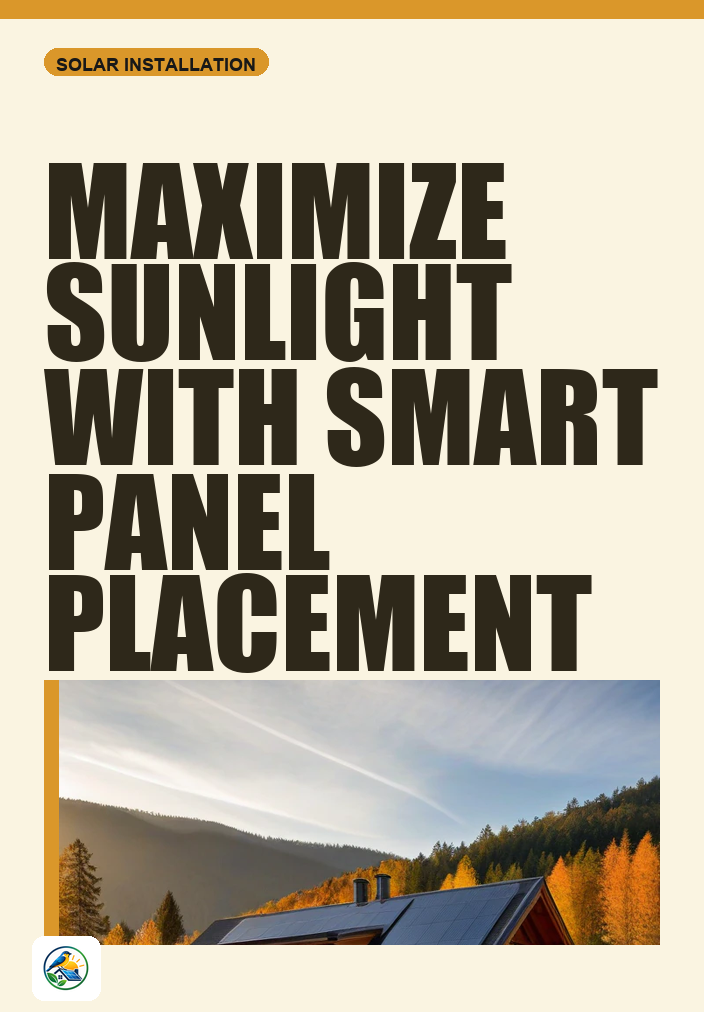
Understanding Shade Impact on Solar Panel Placement
When considering solar panels for your home, one of the most critical factors is the placement of those panels. Shade can significantly impact the performance of solar energy systems, leading to decreased energy production. Understanding how to optimize solar panel placement to minimize shade impact is essential for homeowners who wish to make the most of their investment.
Identifying Shade Sources
Before installing solar panels, it’s crucial to identify potential sources of shade on your property. These can include:
- Trees: Tall trees can cast shadows on your roof, especially during certain times of the day.
- Nearby Buildings: Adjacent homes, garages, or other structures can obstruct sunlight.
- Chimneys and Roof Features: Elements like chimneys, vent pipes, or skylights can create localized shading.
- Seasonal Variations: Some trees may only cast shade during specific seasons; consider the growth of foliage in spring and summer.
Once you’ve identified potential sources of shade, you can begin to assess their impact on your solar energy system.
Assessing the Impact of Shade
The impact of shade on solar panels is not uniform; it can vary significantly based on several factors:
- Duration: How long does the shade cover the panels? Short, intermittent shade may have minimal impact, while prolonged shading can lead to significant energy loss.
- Angle of Sunlight: The sun’s position changes throughout the day and year, affecting how much shade is cast on the panels.
- Type of Solar Technology: Different solar panel technologies have varying tolerances to shade. Some panels are designed to perform better in shaded conditions.
An effective way to assess shade impact is to use a solar pathfinder or shading analysis tool. These tools can help visualize how shading will affect your solar panels throughout the year.
Optimal Panel Placement Strategies
Once you understand the sources and impact of shade, you can implement strategies for optimal solar panel placement:
1. Roof Orientation and Angle
The orientation and angle of your roof can drastically influence solar energy production. Ideally, solar panels should face true south in the U.S. for maximum exposure to sunlight. If your roof faces east or west, consider the following:
- Panels facing east may capture more morning sunlight, while those facing west may perform better in the afternoon.
- Adjusting the tilt angle of the panels can also help maximize exposure. Ideally, the angle should be close to your latitude for optimal year-round performance.
2. Installing on Multiple Roof Sections
If your home has multiple roof sections, consider spreading the panels across different areas. This can help maximize sunlight exposure, particularly if some sections are less shaded than others.
3. Tree Pruning or Removal
In some cases, trimming or removing trees that significantly obstruct sunlight may be an option. However, this should be carefully considered, as trees provide shade and habitat for local wildlife.
4. Utilizing Ground-Mounted Systems
If your roof is heavily shaded or unsuitable for solar panels, ground-mounted systems may be a viable alternative. These systems can be placed in a location with optimal sun exposure, free from obstructions.
Understanding the Trade-offs
Optimizing solar panel placement involves trade-offs that homeowners must consider. These may include:
- Roof Condition: Ensure your roof is in good condition before installation, as solar panels can last for decades.
- Electrical Upgrades: Depending on your current electrical system, you may need upgrades to accommodate solar installation.
- Financing Costs: Assess the overall costs and financing options available for solar systems, which can vary significantly.
- Maintenance: Solar panels require some maintenance, such as cleaning, especially if they are placed in areas with potential debris.
- Battery Limitations: If considering a home battery, understand its limitations and how they may impact your energy management.
Each homeowner’s situation is unique, and it is essential to weigh these trade-offs carefully. Consulting with a professional installer can provide valuable insights tailored to your specific property.
Getting Professional Help
When it comes to solar installation, obtaining quotes from qualified installers can help you understand the best options for your home. A professional assessment can provide clarity on:
- Optimal panel placement based on your roof structure and shading conditions.
- Estimated energy production based on your specific situation.
- Cost breakdowns and potential financing options.
Professional installers can also help navigate local permitting and utility rules, ensuring a smoother installation process.
Next Steps for Homeowners
As you consider installing solar panels, take the time to evaluate your property and its unique challenges. Here are some practical next steps:
- Identify potential shade sources on your property.
- Assess your roof’s orientation and condition.
- Research local solar installers and obtain itemized quotes.
- Discuss your specific needs and preferences with installers, focusing on shade considerations.
- Verify current incentives and financing options available in your area.
By taking these steps, you can make informed decisions about solar panel placement and installation, maximizing your energy production while minimizing the impact of shade.


















