
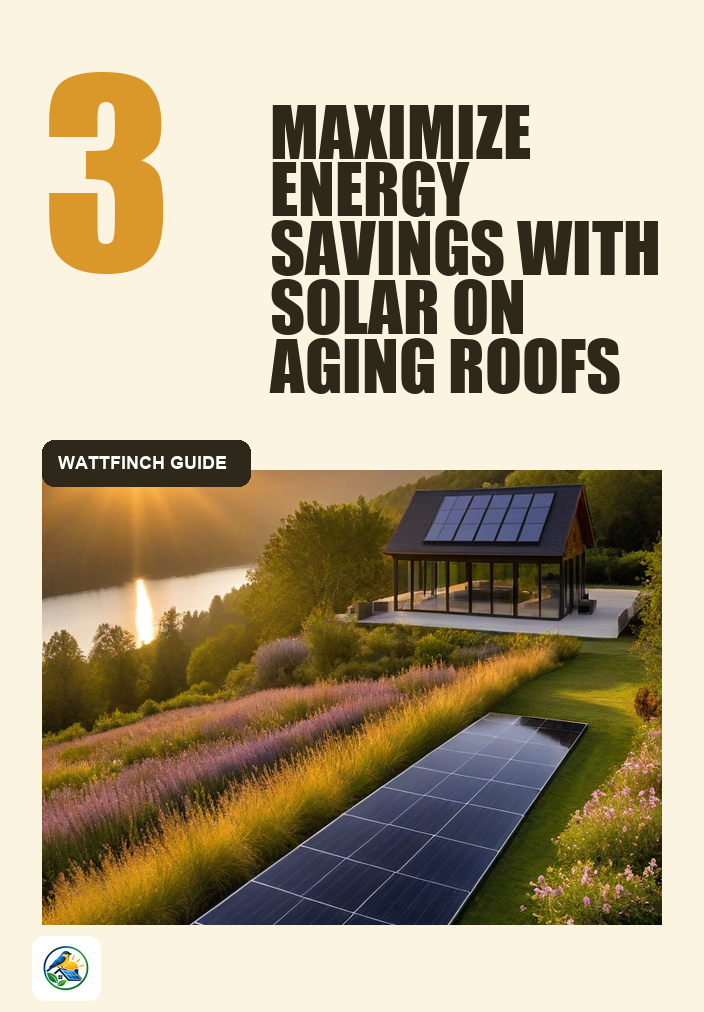
Understanding the Challenges of Installing Solar on an Older Roof
Investing in solar energy can be a significant financial decision for homeowners, particularly those with older roofs. While solar panels offer the potential for energy savings and sustainability, the state and structure of your roof can impact your installation options. This article explores the key considerations, options, and potential trade-offs for homeowners looking to install solar panels on an older roof without sacrificing energy savings.
Assessing Your Roof’s Condition
The first step in considering solar installation is to evaluate the condition of your roof. An older roof may have several factors that could affect the feasibility and effectiveness of a solar system:
- Age: If your roof is nearing the end of its lifespan, it might be wise to replace it before installing solar panels. A new roof can support solar installations better and prevent complications in the future.
- Material: Different roofing materials may interact differently with solar panels. Asphalt shingles, metal, and tile have distinct installation requirements and durability levels.
- Structural Integrity: A roof needs to be structurally sound to support the weight of solar panels. Consulting with a roofing professional to assess load-bearing capacity is essential.
Roof Repair or Replacement: Weighing Your Options
Once you have a clear understanding of your roof’s condition, the next step is to determine whether repair or replacement is necessary. Here are some considerations:
Repair
If your roof only has minor issues, such as small leaks or damaged shingles, repairs might suffice. Addressing these issues before installation can help ensure that your solar system functions optimally. However, keep in mind the following:
- Cost: Repairs can be less expensive than a full replacement, but they may not provide a long-term solution.
- Future Maintenance: If your roof has multiple issues, ongoing maintenance could offset energy savings.
Replacement
If your roof is significantly aged or damaged, replacement may be the better option. Consider these benefits:
- Longevity: A new roof typically lasts 20-30 years, providing a solid foundation for your solar system.
- Compatibility: New roofing materials may be more compatible with solar installations, allowing for better energy production.
- Increased Home Value: A new roof can enhance your property’s value, especially when paired with energy-efficient upgrades.
Considering Roof Orientation and Shade
Aside from the condition of your roof, its orientation and the presence of shade can significantly impact solar efficiency:
- Orientation: South-facing roofs typically receive the most sunlight throughout the day, making them ideal for solar panels. East and west-facing roofs can also work, but they may produce less energy.
- Shade: Nearby trees, buildings, or other obstructions can cast shade on your roof, reducing solar energy production. Consider trimming trees or removing obstructions if they significantly impact sunlight exposure.
Understanding Installation Options
Once you’ve assessed your roof’s condition, orientation, and shading, it’s time to explore your installation options. Here are some common systems to consider:
Grid-Tied Solar Systems
Grid-tied systems are the most common for residential installations. They connect directly to the utility grid, allowing homeowners to draw electricity from the grid when needed and send excess energy back to the grid. Considerations include:
- Utility Rules: Net metering policies vary by location and can influence your savings. Check with your local utility to understand how energy credits work.
- Energy Storage: While grid-tied systems don’t require batteries, adding a home battery can provide backup power during outages.
Battery Backup Systems
For homeowners concerned about power outages, battery backup systems can store excess energy generated during the day for use at night or during outages. Keep in mind:
- Cost: Batteries add to the upfront cost of installation, and their lifespan and capacity may affect ROI.
- Maintenance: Batteries require maintenance and monitoring to ensure optimal performance.
Off-Grid Systems
If you live in a remote area, off-grid systems may be necessary. These systems require batteries and a larger solar array to meet all your energy needs independently from the grid. Considerations include:
- Higher Costs: Off-grid systems can be significantly more expensive due to the need for larger solar arrays and battery systems.
- Energy Management: Homeowners must actively manage their energy consumption and usage to avoid depleting battery reserves.
Getting Professional Quotes
Before making a final decision, obtaining quotes from qualified solar installers is crucial. Here are some tips for comparing quotes effectively:
- Itemization: Ensure each quote includes a detailed breakdown of costs, including equipment, installation, and any necessary roof repairs or upgrades.
- Warranties: Check what warranties are offered for both the solar equipment and the installation work.
- Experience: Consider the installer’s experience with older roofs and their familiarity with local regulations and utility policies.
- Local Incentives: Ask about any available state or local incentives that could reduce your overall costs.
Next Steps for Homeowners
Installing solar panels on an older roof involves careful consideration of the roof’s condition, orientation, and shading. By assessing these factors and understanding your installation options, you can make informed decisions that align with your energy goals.
To move forward, gather quotes from multiple qualified solar installers. Be sure to compare itemized costs and seek clarity on any questions you have regarding installation, warranties, and local incentives. With the right preparation and information, you can successfully navigate the solar installation process while maximizing potential energy savings for your home.


















