
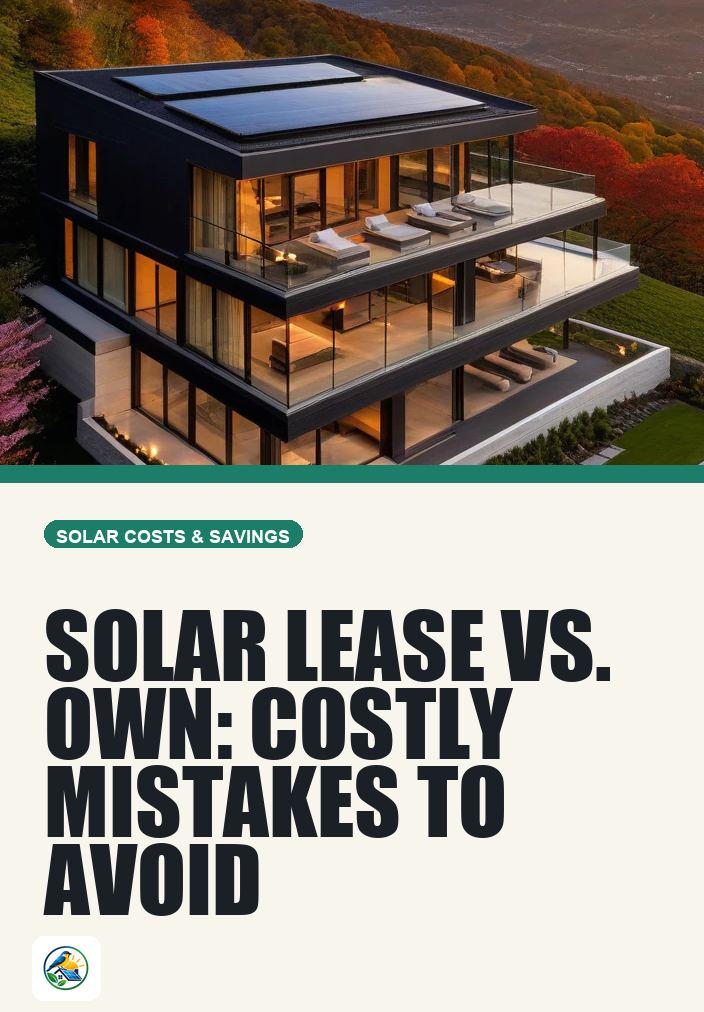
Understanding Solar Leases vs. Owned Panels: Key Considerations
When considering a residential solar system, one of the most significant decisions homeowners face is whether to opt for a solar lease or to purchase the panels outright. Each option has its own set of benefits and potential pitfalls, and understanding these can help you make a more informed choice. In this article, we’ll explore the differences between solar leases and owned panels, outline the trade-offs, and highlight common missteps to avoid in the decision-making process.
Solar Leases: A Low-Upfront Cost Option
A solar lease allows homeowners to install solar panels on their property without the large upfront costs typically associated with purchasing the system outright. Instead, homeowners pay a fixed monthly fee to a solar provider who retains ownership of the panels. Here are some advantages and considerations of solar leases:
- Lower Initial Investment: With a lease, you may not have to pay anything upfront or a minimal down payment, making it more accessible for those without significant capital.
- Maintenance Included: Most solar lease agreements include maintenance and repairs at no additional cost, providing peace of mind that your system will be operational without the need for extra expenses.
- Fixed Payments: Monthly payments are typically fixed, which can help with budgeting. However, it’s essential to understand any potential increases in payments over time.
Despite these advantages, there are several factors to keep in mind with leases:
- No Ownership Benefits: Since you don’t own the panels, you won’t benefit from any tax credits or incentives available to system owners. This can be a significant financial consideration.
- Long-Term Commitment: Leases often last 20 years or more, and terminating a lease early can result in hefty fees. Make sure you’re comfortable with the long-term commitment.
- Resale Complications: If you sell your home, transferring the lease can be complicated. Potential buyers might be deterred by an existing lease, impacting your home’s marketability.
Owning Your Solar Panels: The Long-Term Investment
Purchasing solar panels outright means that you own the system, allowing you to take full advantage of any tax credits, rebates, or other incentives available for solar investments. Here are some notable benefits and considerations:
- Tax Benefits: Homeowners who purchase their solar systems can often take advantage of federal tax credits and state incentives, which can significantly reduce the overall cost.
- Increased Home Value: Owned solar panels can increase your property’s value. Many buyers appreciate the energy independence and cost savings associated with solar ownership.
- Long-Term Savings: While the upfront cost is higher, owning your system may provide better long-term savings compared to leasing.
However, owning a solar system is not without its challenges:
- Higher Upfront Costs: Purchasing a solar system often requires a significant initial investment, which can be a barrier for some homeowners. Financing options are available, but they can come with additional costs.
- Maintenance Responsibilities: As the owner, you are responsible for maintenance and repairs, which can incur additional costs over time.
- System Performance Variability: The performance of owned panels can be affected by factors such as roof condition, orientation, and shading from trees or nearby structures. Understanding these factors is crucial before purchasing.
Common Missteps to Avoid When Choosing Between Options
Deciding between a solar lease and owning panels can be daunting, and homeowners often encounter similar pitfalls. Here are some common missteps to avoid:
1. Failing to Evaluate Your Roof Condition
Before making any decisions, it’s crucial to assess the condition of your roof. If your roof is aging or in disrepair, investing in a solar system could lead to additional costs in the future if you need to replace the roof shortly after installation.
2. Overlooking Local Rules and Regulations
Each state has its own regulations regarding solar installations, including permitting, utility interconnection, and net metering rules. Failing to investigate these can lead to unexpected challenges and costs. Always consult with local authorities and your installer to understand the requirements that apply to your home.
3. Ignoring Your Energy Usage
Before selecting a system, analyze your current and future energy usage. Understanding your electricity needs can help determine the appropriate size of the solar system you require, whether leased or owned.
4. Not Comparing Multiple Quotes
Homeowners should always seek multiple quotes from qualified solar installers. This can provide insight into pricing, financing options, and the overall value of different systems. Look for itemized quotes that break down costs, including installation, equipment, and any potential incentives.
Next Steps: Making an Informed Decision
As you move forward in your solar journey, take the time to consider your unique situation, including your financial situation, roof condition, and future plans. Comparing itemized quotes from qualified solar installers will aid in making an informed decision that aligns with your goals. Remember to verify any current local incentives, utility policies, and financing options to ensure you have the most accurate information before committing.
Choosing between a solar lease and owning your panels is a significant decision, and avoiding common missteps can help you find the best solution for your home. Carefully evaluate your options, perform due diligence, and consult with professionals to make a choice that benefits you in the long run.


















