
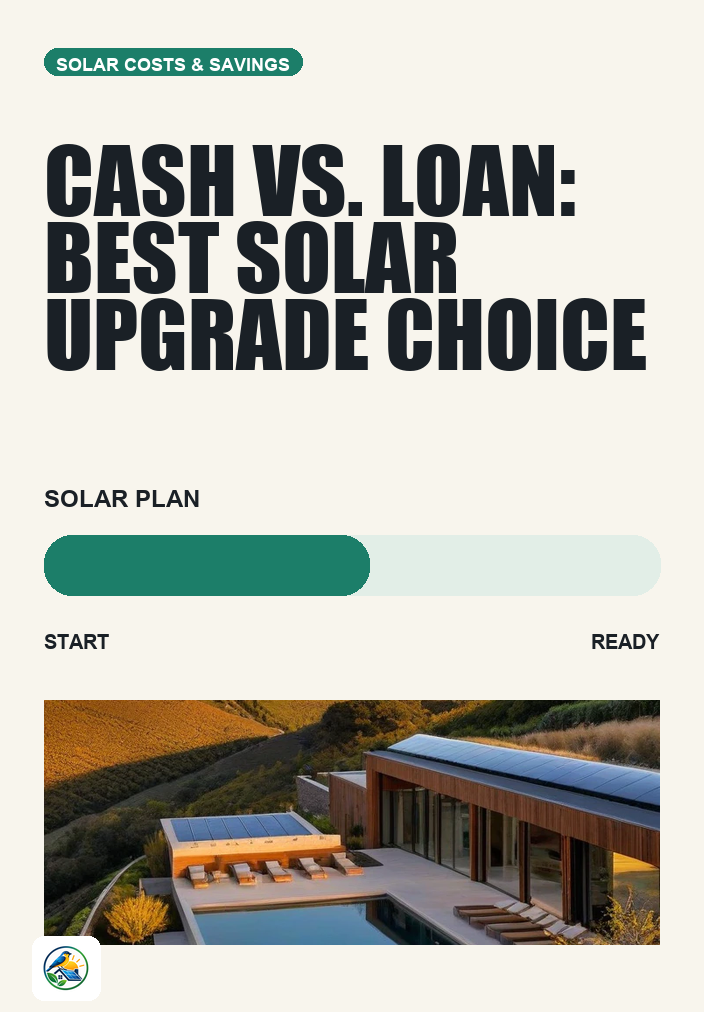
Understanding Your Financing Options: Cash vs. Solar Loan
As a U.S. homeowner considering the transition to solar energy, one of the most significant decisions you’ll face is how to finance the installation of a rooftop solar system. The choice typically narrows down to two primary options: paying cash or taking out a solar loan. Both methods have their pros and cons, and understanding these can help you make an informed decision that aligns with your financial situation and energy goals.
Cash Purchase: The Upfront Investment
Paying cash for a solar system involves a one-time payment to cover the entire cost of the installation. This approach can be appealing for several reasons:
- No Monthly Payments: Once you pay for the system outright, you own it completely, and you won’t have to worry about monthly loan payments.
- Immediate Savings: By avoiding financing costs, you may save money in the long run. You won’t owe interest, so the total cost of the system remains fixed.
- Increased Home Value: A cash purchase can potentially increase your home’s resale value, as many buyers see solar systems as a beneficial investment.
However, there are also drawbacks to consider:
- High Upfront Cost: The initial investment can be substantial, which may be a barrier for many homeowners.
- Opportunity Cost: Using cash for a solar purchase means that money is not available for other investments or expenses, which could limit your financial flexibility.
- Maintenance and Upkeep: As the system owner, you are responsible for any maintenance or repairs, which can incur additional costs over time.
Solar Loans: Financing Flexibility
If paying cash isn’t feasible, solar loans offer an alternative way to finance a solar installation. These loans are often designed specifically for solar projects, and they can vary in structure and terms:
- Fixed-Rate Loans: These loans have a consistent interest rate over the term, making monthly payments predictable.
- Home Equity Loans: If you have equity in your home, you might consider this option, which allows you to borrow against your home’s value.
- Unsecured Personal Loans: These loans do not require collateral but often come with higher interest rates.
Benefits of solar loans include:
- Lower Upfront Costs: You can spread the cost of solar over several years, making it more accessible to homeowners who might not have large sums of cash available.
- Potential for Immediate Savings: Depending on your financing terms and local energy rates, some homeowners find that their monthly savings on electricity exceed their loan payments.
- Tax Incentives: Depending on current laws, you may still qualify for federal or state tax credits, which can reduce the overall cost of the loan.
However, solar loans come with their own set of challenges:
- Interest Payments: Unlike a cash purchase, loans require monthly payments plus interest, which can increase the total cost over time.
- Long-Term Commitment: Committing to a loan can feel daunting, especially if your financial situation changes in the future.
- Approval Process: Obtaining a loan may involve credit checks and other qualifications, which can be an obstacle for some homeowners.
Key Considerations When Choosing Between Cash and a Solar Loan
When deciding on the best financing option for your solar installation, consider the following factors:
Your Financial Situation
Assess your current financial health. Do you have enough liquidity to make a cash purchase without jeopardizing your emergency savings? If not, a solar loan might be more practical.
Energy Needs and Goals
Think about your long-term energy goals. Are you looking for immediate energy savings, or are you more focused on long-term investment? Understanding your energy needs can help guide your decision.
Market Conditions and Incentives
Stay updated on local market conditions, including utility rates, financing options, and available incentives. These can fluctuate and significantly impact the overall cost and benefits of solar energy.
Property Considerations
Your home’s condition and location can affect the suitability of solar. Factors like roof age, orientation, shading, and local permitting rules can all influence your installation process and costs.
Installer Quotes
Obtaining quotes from qualified solar installers is crucial. A professional quote can help you understand the total costs associated with your project, including equipment, installation, and any necessary upgrades to your electrical system.
Next Steps: Evaluating Your Solar Options
Deciding whether to finance your solar installation with cash or a solar loan is a significant choice that requires careful consideration. Start by evaluating your financial situation, energy goals, and the specifics of your property. Gather itemized quotes from qualified solar installers in your area and compare their offerings. This will provide you with a clearer picture of the costs involved and help you make an informed decision.
Remember, whether you choose to pay upfront or finance your system, solar energy can be a valuable addition to your home, offering potential energy savings and a positive environmental impact. Just ensure you’re making the choice that best fits your unique circumstances.


















