
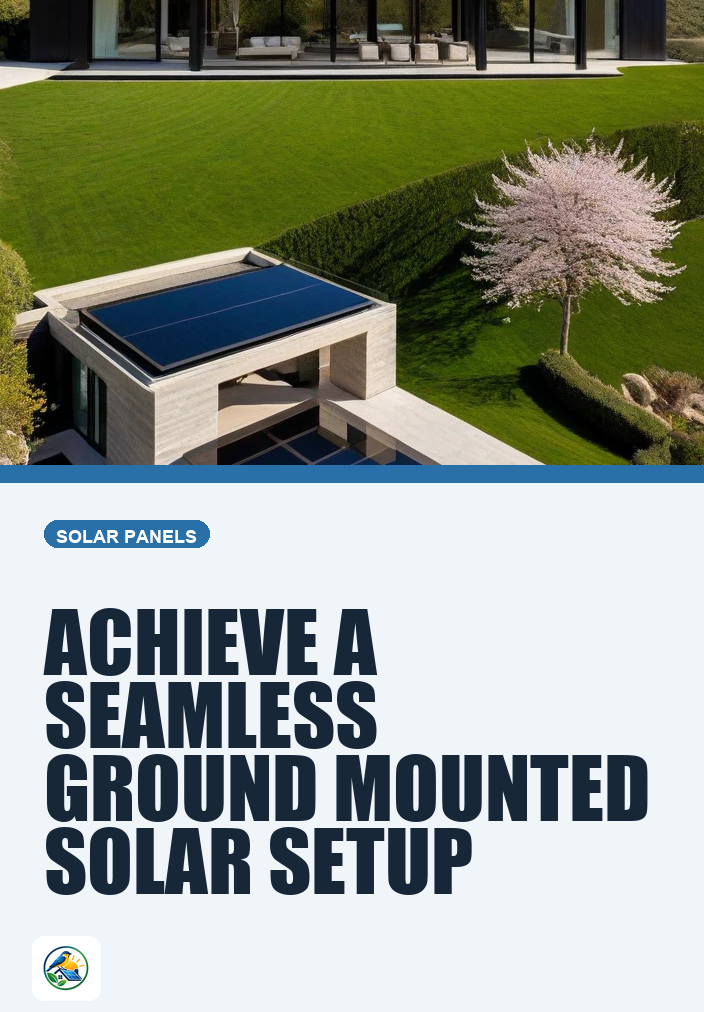
Understanding Ground Mounted Solar Systems
For homeowners considering solar energy, ground-mounted solar installations can offer several advantages over rooftop systems. These systems are typically installed on the ground, either in your yard or on a dedicated area of your property, and may be ideal if your roof isn’t well-suited for solar panels. However, preparing for a successful installation requires careful planning and consideration of various factors. This article will guide you through the essential steps to take before installing ground-mounted solar panels.
Assessing Your Property for Ground-Mounted Solar
The first step in preparing for a ground-mounted solar installation is to assess your property. Consider the following factors:
- Space Availability: Ensure you have enough land available for the solar array. The size of the installation will depend on your energy needs and the efficiency of the panels chosen.
- Sunlight Exposure: Identify areas that receive full sunlight throughout the day. Avoid locations with significant shade from trees, buildings, or other obstructions.
- Soil Type: The type of soil may affect the installation process. Certain soils may require additional support structures or foundations.
- Access to Utilities: Consider how close your installation would be to your electrical panel and the grid. Proximity can impact installation costs.
Understanding Local Regulations and Permits
Before proceeding with a ground-mounted installation, familiarize yourself with local regulations, zoning laws, and permitting requirements. These can vary significantly by location. Here are some steps to follow:
- Check Zoning Laws: Determine if there are restrictions on the installation of solar panels in your area. Some communities have specific guidelines on the placement and height of solar arrays.
- Obtain Necessary Permits: Most installations will require permits from your local government. Check with your local building department to understand what’s needed.
- Consult Neighborhood Associations: If your home is part of a homeowners’ association (HOA), verify if there are additional restrictions or guidelines regarding solar installations.
Evaluating Your Energy Needs
Understanding your energy consumption is crucial when sizing your solar array. Here’s how to evaluate your needs:
- Review Energy Bills: Look at your past utility bills to determine your average monthly energy usage. This will help you estimate the size of the system you need.
- Consider Future Needs: If you plan to add appliances, a home office, or an electric vehicle, factor these into your energy calculations.
- Use Online Calculators: Many websites offer solar calculators that can help you estimate the size of the system needed based on your energy consumption.
Choosing the Right Equipment
When preparing for a ground-mounted solar installation, selecting the right equipment is essential. Here are some key considerations:
- Solar Panels: Research different types of solar panels available. Consider factors such as efficiency, warranty, and durability.
- Inverters: Choose between string inverters and microinverters, as each has its advantages and potential drawbacks.
- Mounting Systems: Ground-mounted systems require sturdy mounting solutions. Review options that can withstand local weather conditions.
- Battery Storage: If considering battery backup, evaluate your options for energy storage systems. Understand their capacity and how they integrate with your solar system.
Working with Professional Installers
While some homeowners may consider a DIY approach, working with a professional installer can simplify the process and ensure safety and compliance with regulations. Here’s how to find the right installer:
- Get Multiple Quotes: Obtain itemized quotes from several qualified installers. This will help you compare pricing and services.
- Check Reviews and References: Research potential installers by reading customer reviews and asking for references from previous clients.
- Verify Certifications: Ensure that the installers you’re considering have the necessary licenses, certifications, and insurance.
- Discuss System Design: Work with the installer to design a system that meets your energy needs and fits your property.
Considering Financial Implications
While solar energy can provide long-term savings, it’s important to understand the financial implications of a ground-mounted installation:
- Initial Costs: Ground-mounted systems can be more expensive than rooftop installations due to additional site preparation and mounting requirements. Be sure to ask for a detailed breakdown of costs.
- Incentives and Tax Credits: Research available incentives and tax credits in your area and verify their eligibility. These can significantly impact your overall investment.
- Financing Options: Explore financing options, including loans, leases, or power purchase agreements (PPAs), to determine what fits your budget.
Preparing for Installation Day
As your installation day approaches, ensure you are ready for the process:
- Clear the Area: Make sure the installation site is accessible and free from debris, vehicles, or other obstacles.
- Discuss Timeline: Communicate with your installer about the expected timeline for installation and any potential interruptions to your daily routine.
- Understand Maintenance Needs: Once your system is installed, be aware of any maintenance requirements to keep it operating efficiently.
Next Steps
Preparing for a ground-mounted solar installation involves careful planning and consideration of various factors unique to your property. As you move forward, take the time to compare itemized quotes from qualified installers and verify local regulations, costs, and incentives. By being informed and organized, you can ensure a successful transition to solar energy for your home.


















