Understanding Solar Installation in North Carolina
Solar energy is becoming an increasingly popular option for homeowners in North Carolina, offering a sustainable way to power your home. However, the decision to install a solar system requires careful consideration of various factors. This article will guide you through the essential aspects of solar installation in North Carolina, including your options, potential trade-offs, and critical homeowner considerations.
Types of Solar Systems Available
When considering solar installation, you typically have a few different types of systems to choose from, each with its own set of advantages and disadvantages:
- Grid-Tied Solar Systems: These systems are connected to the local utility grid. They allow homeowners to draw electricity from the grid when solar energy production is low and sell excess energy back to the grid. This setup often requires net metering, which allows for a credit on your electric bill for any excess energy produced.
- Battery Backup Systems: A battery backup system stores excess solar energy for use when the sun isn’t shining. This can be particularly valuable in areas with frequent power outages or for homeowners who want to ensure energy independence.
- Off-Grid Systems: These systems operate independently of the grid, requiring a larger battery storage capacity to ensure energy availability. Off-grid systems can be ideal for remote locations but often come with higher costs and complexity.
- Generators: While not solar, some homeowners choose to complement their solar system with a generator for additional backup power. This option can provide peace of mind during extended outages.
Key Considerations for Homeowners
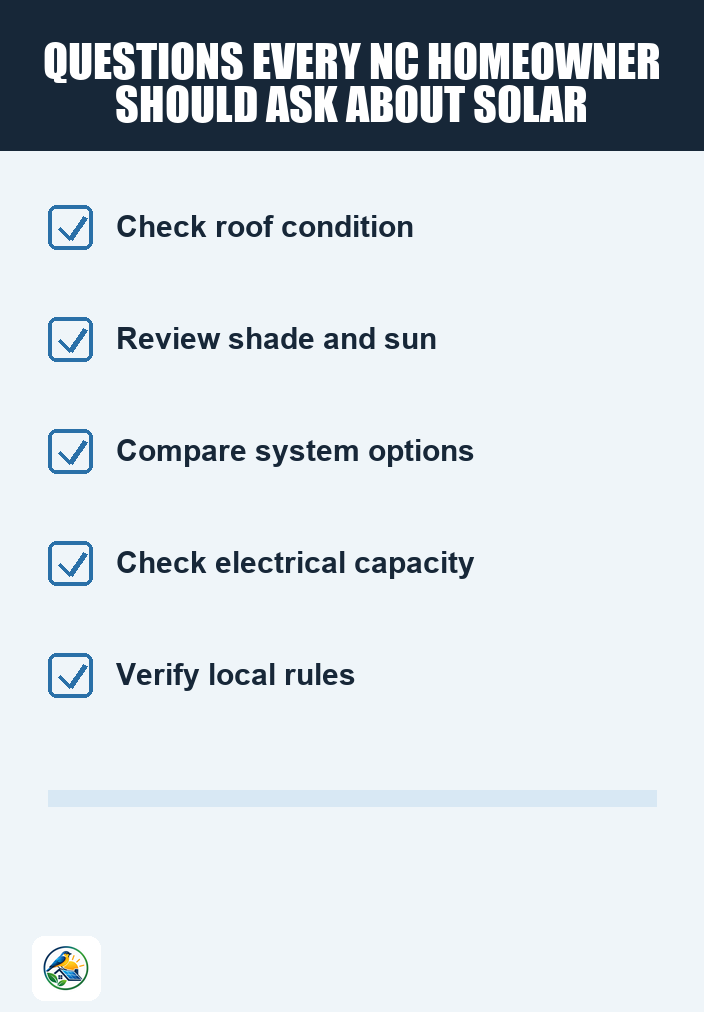
Roof Condition and Orientation
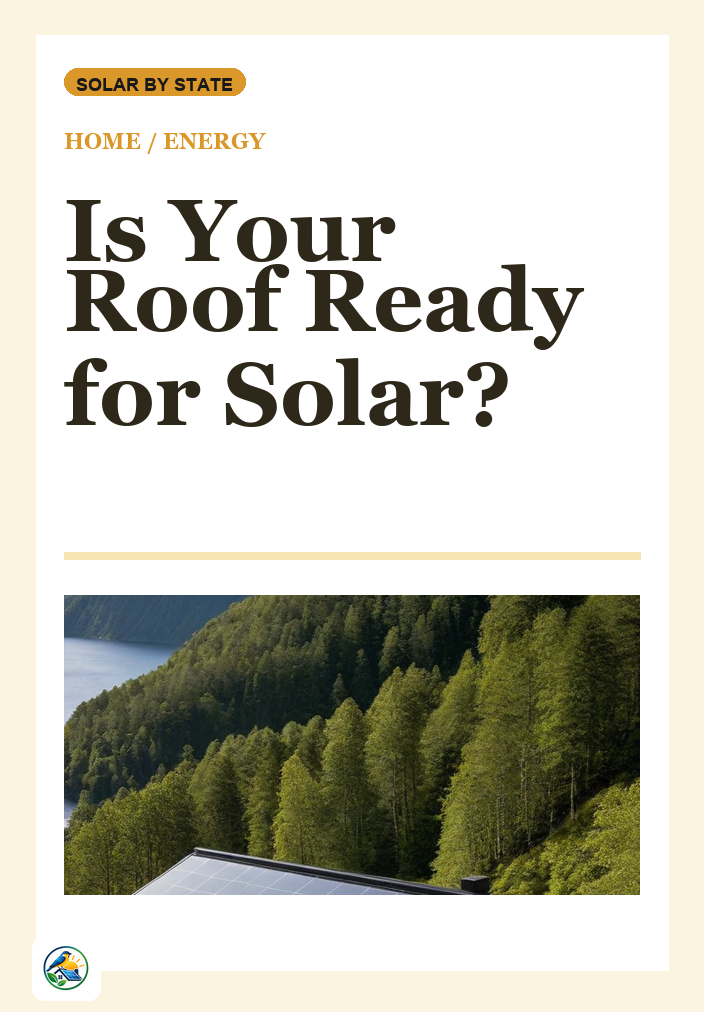
The condition and orientation of your roof can significantly impact the feasibility of a solar installation. Here are a few factors to consider:
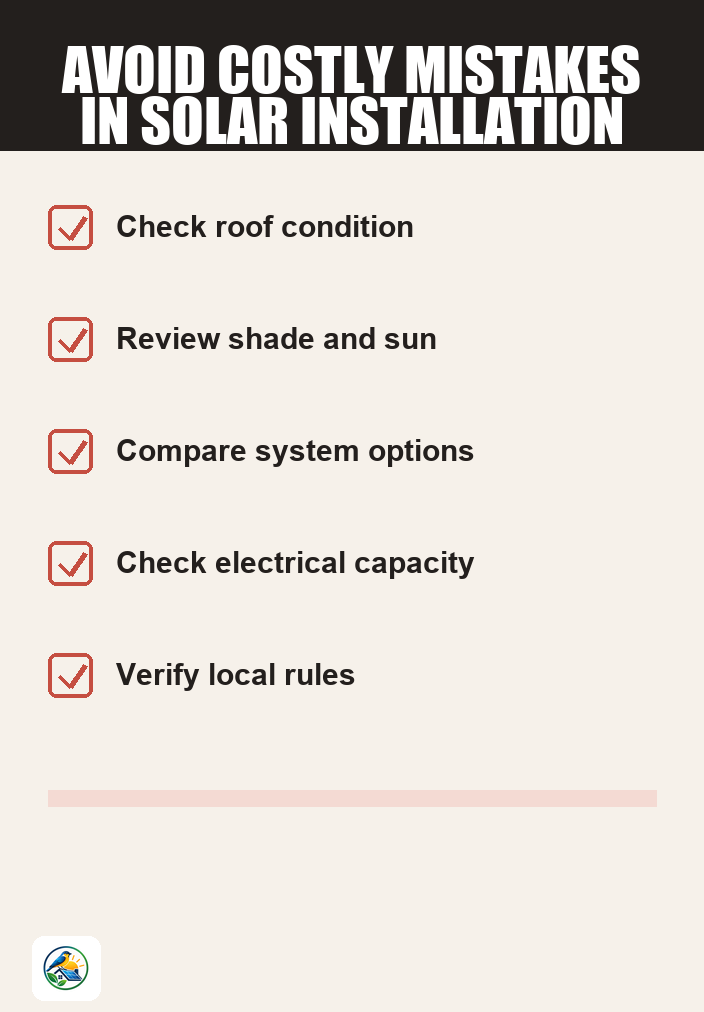
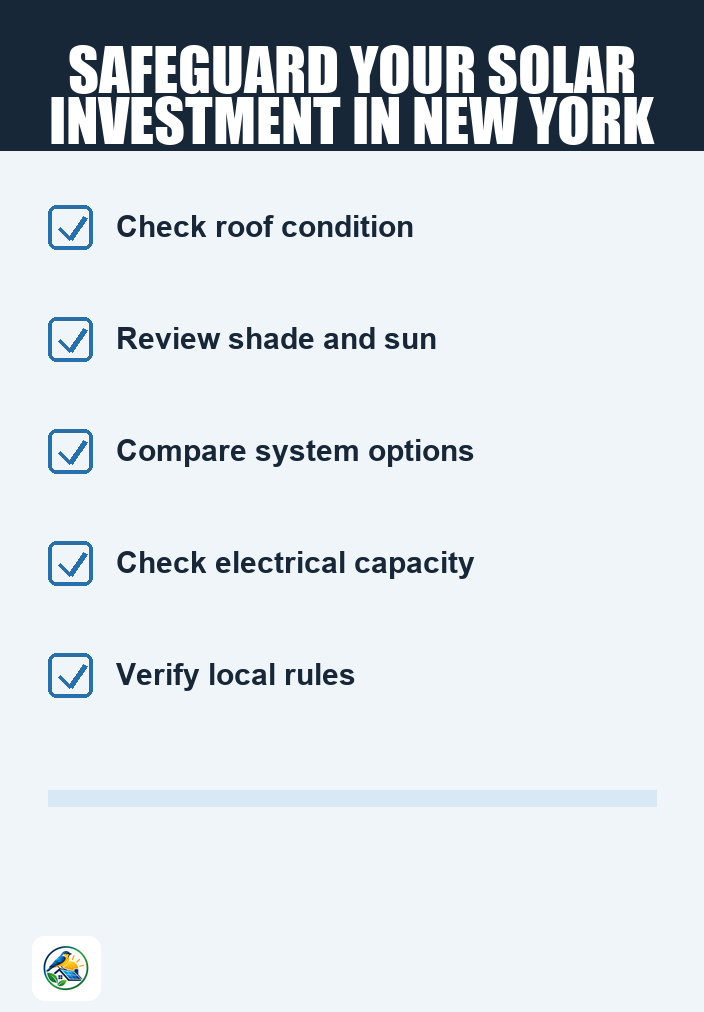
- Roof Age: If your roof is nearing the end of its lifespan, you may want to consider replacing it before installing solar panels.
- Shade: Trees, nearby buildings, or other obstructions can create shading on your roof, reducing the efficiency of your solar system. A professional installer can perform a shading analysis to determine the best placement.
- Orientation: South-facing roofs generally receive more sunlight, making them ideal for solar installation. East or west-facing roofs can still be effective, but performance may vary.
Electrical System Upgrades
Before installation, it may be necessary to upgrade your home’s electrical system to accommodate the solar setup. This could involve replacing outdated wiring or upgrading your electrical panel. A qualified installer can assess your current system and recommend any necessary upgrades.
Local Regulations and Permitting
North Carolina has specific regulations regarding solar installations, including permitting requirements. It’s essential to research local zoning laws and building codes to ensure compliance. A professional installer will typically handle the permitting process, but knowing the requirements can help you avoid potential delays.
Financial Considerations
Initial Costs and Financing Options
The upfront cost of a solar installation can vary widely based on system size, equipment, and installation complexity. Homeowners often explore various financing options to make solar more accessible:
- Cash Purchase: Paying upfront can save on interest costs but requires significant capital.
- Loans: Many lenders offer solar loans specifically designed for homeowners. These can be secured or unsecured, depending on your financial situation.
- Leases and Power Purchase Agreements (PPAs): These options allow homeowners to pay for solar power instead of purchasing the system outright, often with little to no upfront cost.
Incentives and Tax Credits
North Carolina offers various incentives that may apply to your solar installation. However, these incentives can change frequently, so it’s crucial to verify current offerings. Common incentives might include:
- State tax credits
- Local rebates
- Federal tax credits (verify current eligibility)
Consult with your tax advisor or a financial expert to understand how these incentives apply to your situation and whether they will impact your overall financial decision regarding solar.
Comparing Quotes from Installers
Once you’ve considered the factors above, the next step is to obtain quotes from qualified solar installers. Here’s a practical checklist to help you evaluate different proposals:
- Itemized Cost Breakdown: Ensure each quote includes an itemized list of costs, including equipment, labor, permits, and any additional fees.
- System Size and Capacity: Compare the proposed system sizes and their expected energy production.
- Warranty Information: Look for warranties on equipment and installation work.
- Experience and Reviews: Research each installer’s reputation through customer reviews and years in business.
- Financing Options: Inquire about financing options available through each installer.
Next Steps
Installing a solar system is a significant decision that requires careful thought and planning. Start by assessing your home’s suitability for solar, considering factors like roof condition, shading, and electrical upgrades. Then, consult with multiple qualified installers to obtain itemized quotes and understand the options available to you. Take your time to compare and analyze the information to make an informed decision that fits your needs.
As you navigate the solar installation process in North Carolina, remember that each home is unique, and a one-size-fits-all approach does not apply. Engaging with professional installers will provide tailored information and recommendations specific to your property’s characteristics.