Understanding Whole Home Backup vs. Essential Load Solar Setups
When considering a residential solar system, two popular configurations often come into play: whole home backup and essential load backup. Each has its own merits and potential drawbacks, tailored to different homeowner needs and energy consumption patterns. This article will help you navigate the differences between these setups, allowing you to make an informed decision based on your specific circumstances.
What is Whole Home Backup?
Whole home backup systems are designed to power your entire home during a power outage. This means that all your regular appliances, lighting, and devices can operate as they normally would, assuming the solar system and battery storage capacity are sufficient.
Key Features of Whole Home Backup
- Comprehensive Power Supply: During an outage, the system automatically switches to battery power, keeping the entire home functional.
- Increased Battery Capacity: Whole home backup systems typically require larger battery banks to support higher energy demands.
- Higher Initial Costs: Given the need for additional equipment and installation complexity, upfront costs can be significant.
What is Essential Load Backup?
Essential load backup systems, on the other hand, are designed to power only critical circuits during an outage. This may include essential appliances like refrigerators, medical devices, and heating or cooling systems.
Key Features of Essential Load Backup
- Targeted Power Supply: Focuses on powering only necessary items, which can be customized based on your needs.
- Lower Battery Capacity: Since it only supports essential devices, the battery capacity required can be smaller, reducing initial costs.
- Cost-Effective: Generally, these systems have lower installation and equipment costs since they require less battery storage.
Comparing Whole Home Backup and Essential Load Backup
Choosing between these two setups depends largely on your household’s energy needs and how much you are willing to invest. Here are some factors to consider:
Energy Consumption Patterns
Assess your typical energy usage. If your household relies heavily on multiple appliances or has high energy demands, a whole home backup may be the better option. Conversely, if you can prioritize essentials, an essential load backup can save you money while still providing necessary power during outages.
Budget Considerations
Whole home backup systems come with higher upfront costs due to increased battery capacity and installation complexities. If you’re on a tighter budget, an essential load backup might be the more prudent choice.
Future Plans
Consider your long-term plans. If you anticipate an increase in energy consumption—whether through home renovations, adding electric vehicles, or other factors—a whole home backup might be more suitable. If you plan to maintain your current usage, an essential load backup could suffice.
Practical Examples of Each Setup
To illustrate, let’s look at two hypothetical households:
Household A: The Busy Family
This family of four has multiple appliances running throughout the day, including a home office setup, laundry machines, and an electric range. They often experience power outages in their area and rely on their appliances to keep their daily routine. A whole home backup system would ensure that all these appliances can function without interruption during an outage.
Household B: The Minimalist Couple
This couple lives a simpler lifestyle, using minimal appliances. They primarily rely on their refrigerator, a few lights, and a medical device. They experience occasional outages but can manage with limited power. An essential load backup system would meet their needs effectively, allowing them to save on installation costs while still providing peace of mind during outages.
Considerations and Constraints
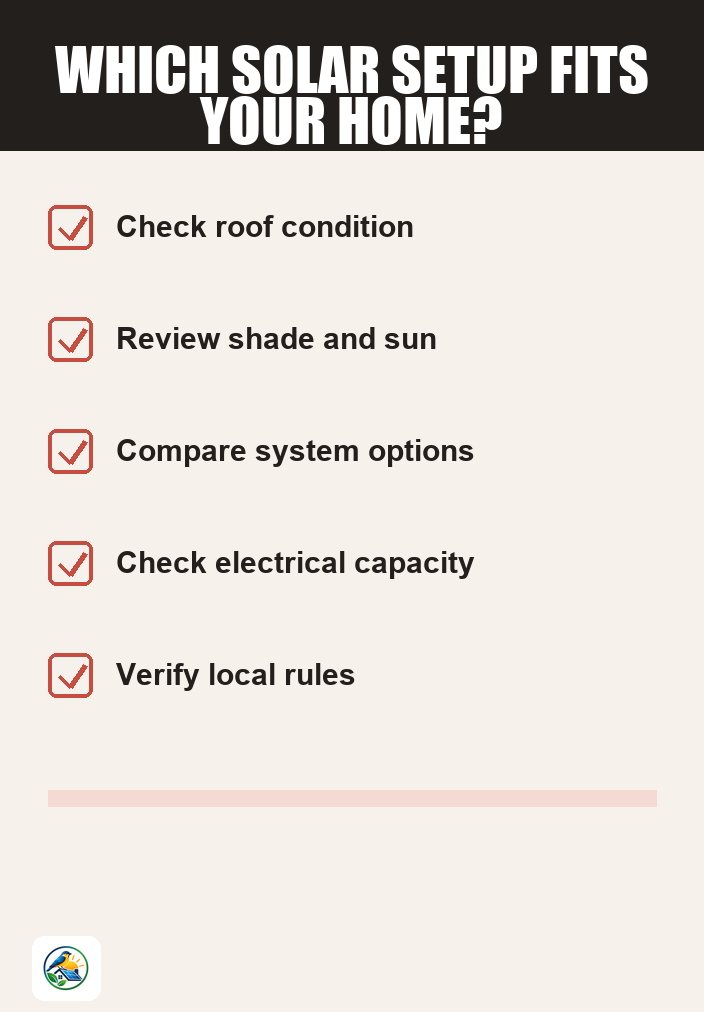
Before deciding on a solar setup, it’s important to evaluate certain constraints that may affect your installation:
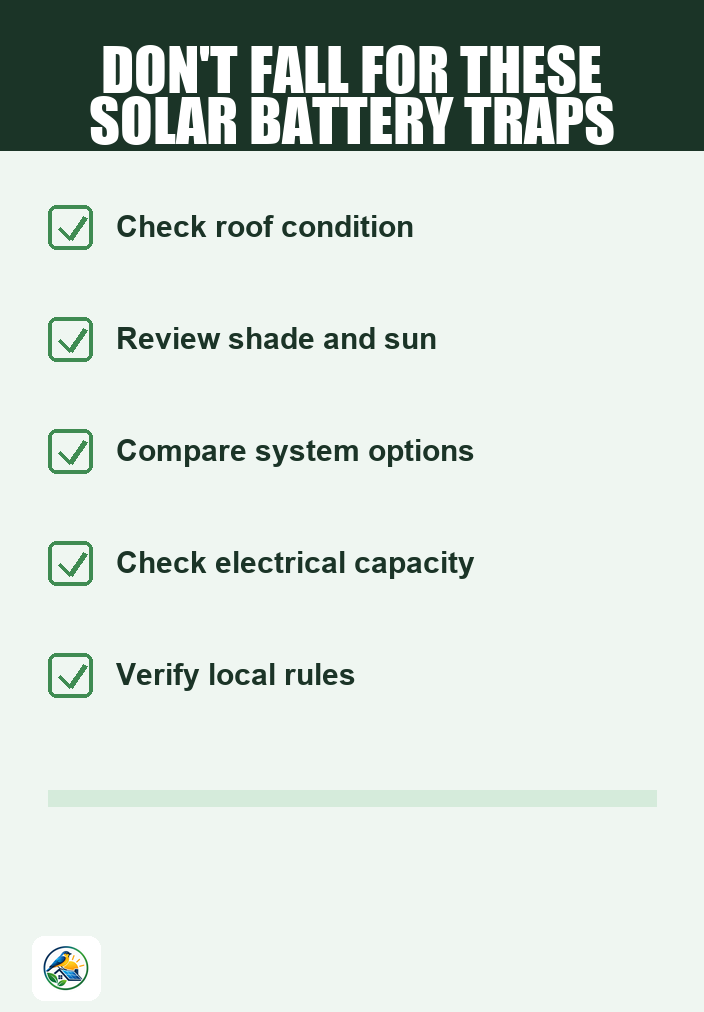
- Roof Condition: Ensure your roof is in good condition. A compromised roof may necessitate repairs before installation.
- Shading and Orientation: Trees or buildings casting shade on your roof can significantly impact solar panel efficiency.
- Electrical Upgrades: Your home’s electrical system may need upgrades to accommodate a solar installation, particularly for whole home backup.
- Local Utility Policies: Familiarize yourself with your utility’s net-metering policies and any regulations that may affect system configuration.
- Permitting and Interconnection: Different municipalities have varying permitting processes that can affect installation timelines.
- Financing Costs: Consider any potential financing options and how they will affect your total investment.
Next Steps: Getting Professional Quotes
After evaluating your needs and constraints, the next step is to seek professional quotes from qualified installers. Comparing itemized quotes will help you understand the costs associated with each setup, including installation, equipment, and any necessary upgrades. A professional installer can also provide specific recommendations based on your home’s layout, energy consumption, and local conditions.
Ultimately, the choice between a whole home backup and an essential load backup system comes down to your unique needs, budget, and energy usage patterns. By carefully considering these factors and consulting with professionals, you can make a well-informed decision about your solar setup.