
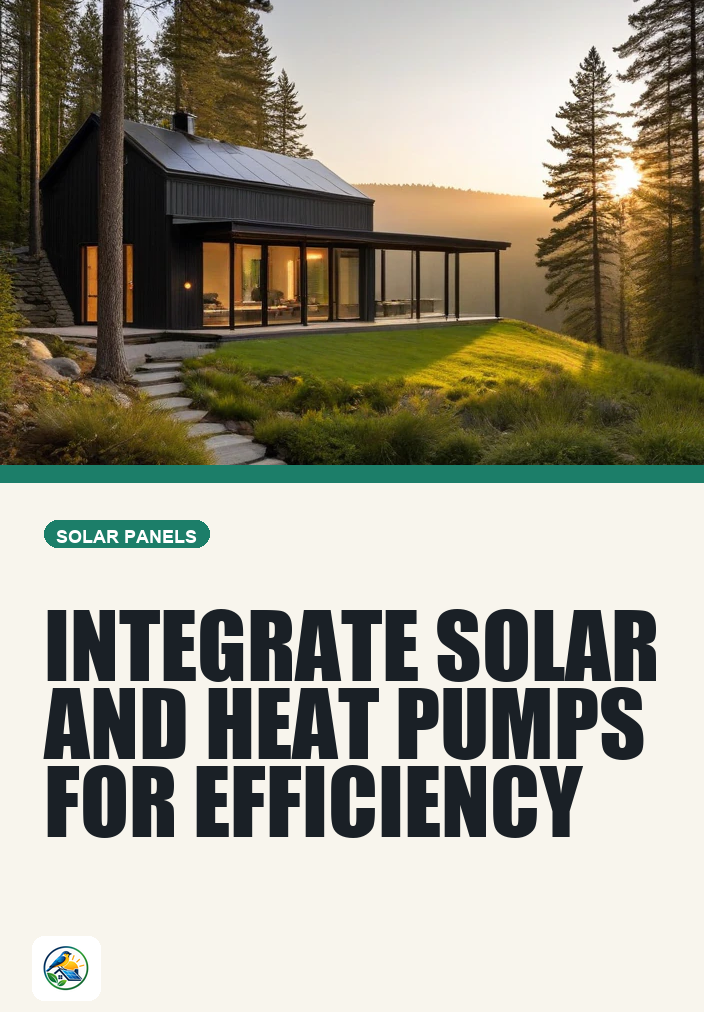
Understanding Solar Panels and Heat Pumps
As the demand for energy efficiency rises, many U.S. homeowners are exploring ways to reduce their energy bills and environmental impact. One popular combination is integrating solar panels with heat pumps. This guide will help you understand how these technologies work together, what considerations to keep in mind, and how to make the most of your investment.
How Solar Panels Work with Heat Pumps
Solar panels convert sunlight into electricity, which can power your home’s appliances, lighting, and heating or cooling systems. Heat pumps, on the other hand, are highly efficient heating and cooling systems that transfer heat rather than generate it. In the summer, they remove heat from your home and transfer it outside; in winter, they do the opposite.
When combined, solar panels can provide the electricity needed to run heat pumps, potentially reducing reliance on grid electricity and lowering energy costs. This synergy is particularly effective in regions with significant sun exposure and varying seasonal temperatures.
Benefits of Integrating Solar Panels with Heat Pumps
- Energy Efficiency: Both systems are designed to maximize energy efficiency, which can lead to lower operating costs.
- Reduced Carbon Footprint: Using renewable energy helps decrease greenhouse gas emissions.
- Energy Independence: Homeowners can rely less on the grid, especially if they pair their solar setup with a battery storage system.
Evaluating Your Home for Solar and Heat Pump Integration
Before deciding to install solar panels and a heat pump, consider the following factors:
1. Roof Condition and Orientation
Your roof should be in good condition before installing solar panels. Additionally, the orientation and angle of your roof can significantly affect solar panel efficiency. South-facing roofs typically receive the most sunlight, while shaded or north-facing roofs may generate less electricity.
2. Local Climate
Your local climate plays a crucial role in the effectiveness of heat pumps. In colder climates, you may need a heat pump designed for lower temperatures, while in warmer areas, a standard model may suffice. Research how local weather patterns affect both solar production and heat pump efficiency.
3. Energy Needs Assessment
Understanding your household’s energy consumption is essential. Review your past electricity bills to determine your average monthly usage. This will help you size your solar panel system and heat pump appropriately.
Choosing the Right System Size and Type
When considering the size of your solar panel and heat pump systems, keep the following in mind:
1. Solar Panel Sizing
Solar panel systems are typically measured in kilowatts (kW). To estimate the size you need, divide your monthly electricity usage (in kilowatt-hours) by the average number of sunlight hours your area receives. For example, if you use 900 kWh per month and receive about 5 hours of sunlight daily, you would need a system of about 6 kW.
2. Heat Pump Sizing
Heat pumps are sized based on the heating and cooling loads of your home, measured in British Thermal Units (BTUs). Factors affecting sizing include your home’s square footage, insulation quality, and local climate. An HVAC professional can help assess your home’s needs accurately.
Exploring Financial Considerations and Incentives
Integrating solar panels and heat pumps can involve significant upfront costs. However, various incentives and financing options may be available:
- Federal Tax Credits: While there are federal tax credits for solar installations, verify the current percentages and eligibility criteria through official government resources.
- State and Local Incentives: Many states offer additional rebates or incentives for energy-efficient home upgrades. Research local programs that may apply to you.
- Financing Options: Consider financing options such as solar loans, home equity lines of credit, or leasing arrangements that may make installation more affordable.
Understanding Trade-offs and Maintenance
While integrating solar panels and heat pumps can be beneficial, there are trade-offs to consider:
- Initial Costs: The initial investment can be substantial, and not all homes will yield a favorable return on investment.
- Maintenance Requirements: Both systems require regular maintenance to ensure optimal performance, adding to long-term costs.
- Permitting and Installation Challenges: Depending on your local regulations, the installation process may involve permits and inspections, which can affect timelines.
Next Steps for Homeowners
If you’re considering integrating solar panels with heat pumps, the next steps are crucial:
- Research Local Installers: Look for qualified solar and HVAC installers with solid reputations. Check reviews and ask for references.
- Request Itemized Quotes: Obtain quotes from multiple installers to compare costs, equipment, and services included.
- Verify Incentives: Before committing, check the current status of local and federal incentives to ensure you understand potential savings.
By taking a thoughtful approach and considering the specific needs of your home, you can make informed decisions about integrating solar panels with heat pumps, creating a more energy-efficient and sustainable living environment.


















