Understanding the Solar Installation Process for Your Florida Home
Preparing your Florida home for a solar installation can feel overwhelming, but a little planning can ensure a smoother transition to renewable energy. Whether you’re considering a rooftop solar system, potentially with a battery backup, or just exploring your options, understanding the key steps in the preparation process is essential. This guide will walk you through what to consider before the installation begins.
Assessing Your Home’s Suitability for Solar
The first step in preparing for solar installation is evaluating your home’s suitability. Here are some factors to consider:
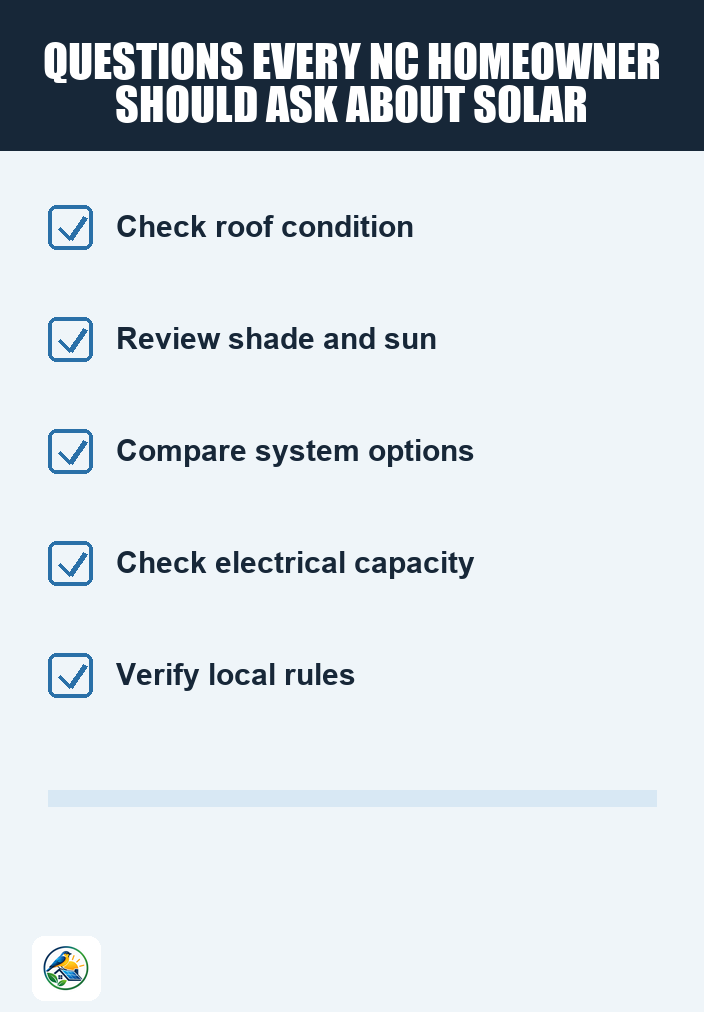
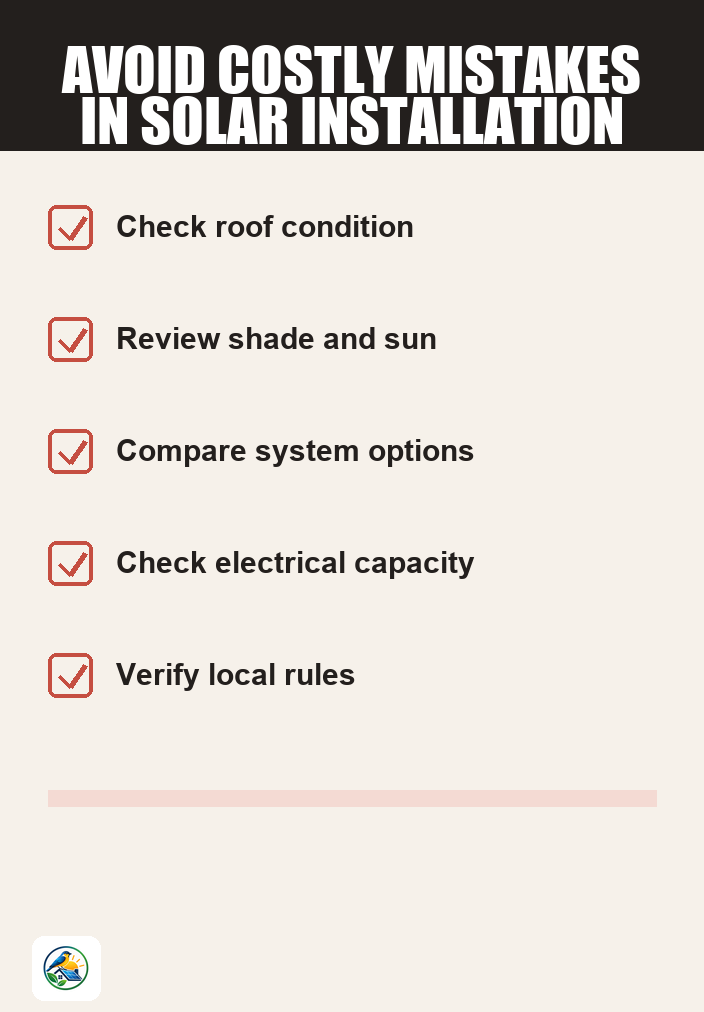
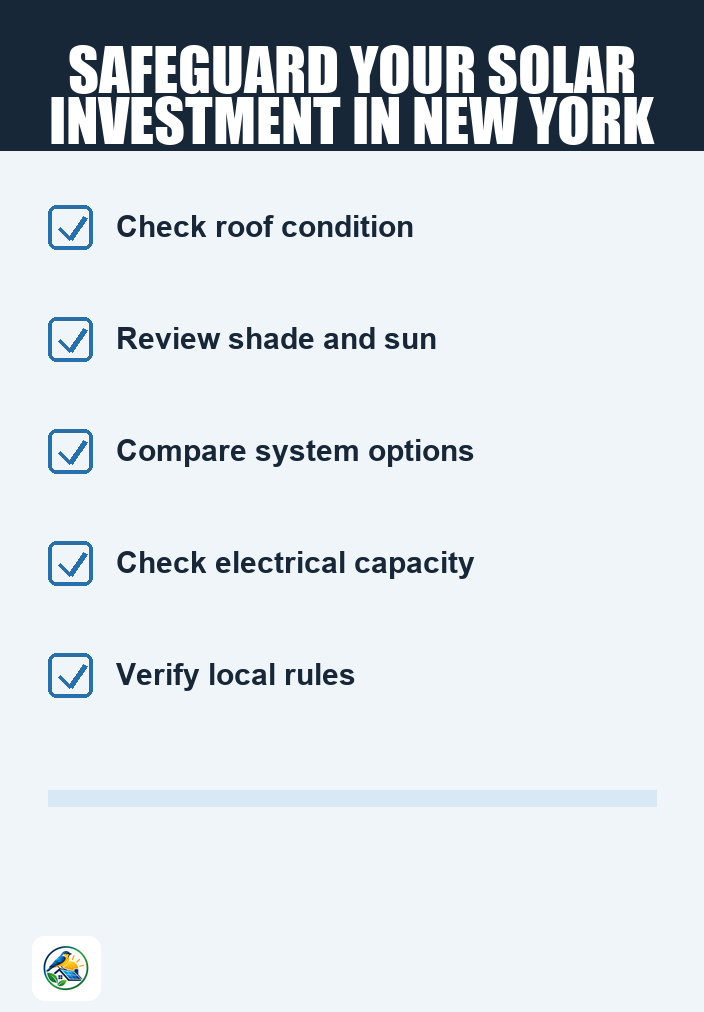
- Roof Condition: Ensure your roof is in good condition and can support the weight of solar panels. If your roof requires repairs or replacement, it’s best to handle that before installation.
- Roof Orientation and Pitch: South-facing roofs generally receive the most sunlight, but east and west-facing roofs can also be viable. The pitch of your roof can affect the angle of the solar panels and their overall efficiency.
- Shade Analysis: Trees, buildings, and other structures can create shade, reducing solar panel performance. Consider a professional assessment for shade analysis.
Understanding Local Regulations and Permits
Before installation, familiarize yourself with local laws and permitting requirements. Regulations can vary significantly from one municipality to another. Here are a few points to keep in mind:
- Building Permits: Most jurisdictions require a building permit for solar installations. Check with your local government for specific requirements.
- HOA Regulations: If you live in a community governed by a homeowners association (HOA), consult their guidelines regarding solar installations. Some HOAs have specific rules about panel visibility and placement.
- Interconnection Policies: Understand how to connect your solar energy system to the grid. Local utility companies have specific interconnection policies that you’ll need to follow.
Evaluating Your Electrical System
Your home’s electrical system may need an upgrade to accommodate solar panels, especially if you are considering adding a battery backup. Here are some aspects to consider:
- Current Electrical Load: Determine if your existing electrical system can handle the additional load from solar panels.
- Panel Capacity: Understand how much energy your solar panels will generate and if it aligns with your household needs. This assessment often requires professional input.
- Wiring and Inverter Requirements: Ensure that wiring and inverters are compatible with your solar system and up to code.
Choosing the Right Solar System Type
Florida homeowners have several options when it comes to solar systems. Here’s a breakdown of the most common types:
- Grid-Tied Systems: These systems are connected to the utility grid and allow you to use solar energy while having the ability to draw power from the grid when needed. They typically don’t require batteries.
- Battery Backup Systems: With battery storage, you can store excess energy generated during the day for use during the night or during outages. Consider the cost and maintenance of batteries when choosing this option.
- Off-Grid Systems: These systems are not connected to the utility grid, which may be applicable for rural homes. They require a robust battery system and careful planning to ensure adequate energy supply.
Financing Your Solar Installation
Before committing to solar, consider your financing options. Here are some common methods:
- Cash Purchase: This is the most straightforward option but requires significant upfront investment.
- Loans: Many financial institutions offer loans specifically for solar installations. Review the terms carefully to understand interest rates and repayment periods.
- Leases and Power Purchase Agreements (PPAs): In these arrangements, you pay for the energy produced rather than owning the system outright. Understand the long-term implications of these agreements.
Gathering Quotes from Qualified Installers
Once you have a solid understanding of your home and financing options, it’s time to gather quotes from qualified solar installers. Here’s how to approach this process:
- Get Multiple Quotes: Don’t settle for the first quote you receive. Comparing multiple quotes can help you understand the market better and negotiate terms.
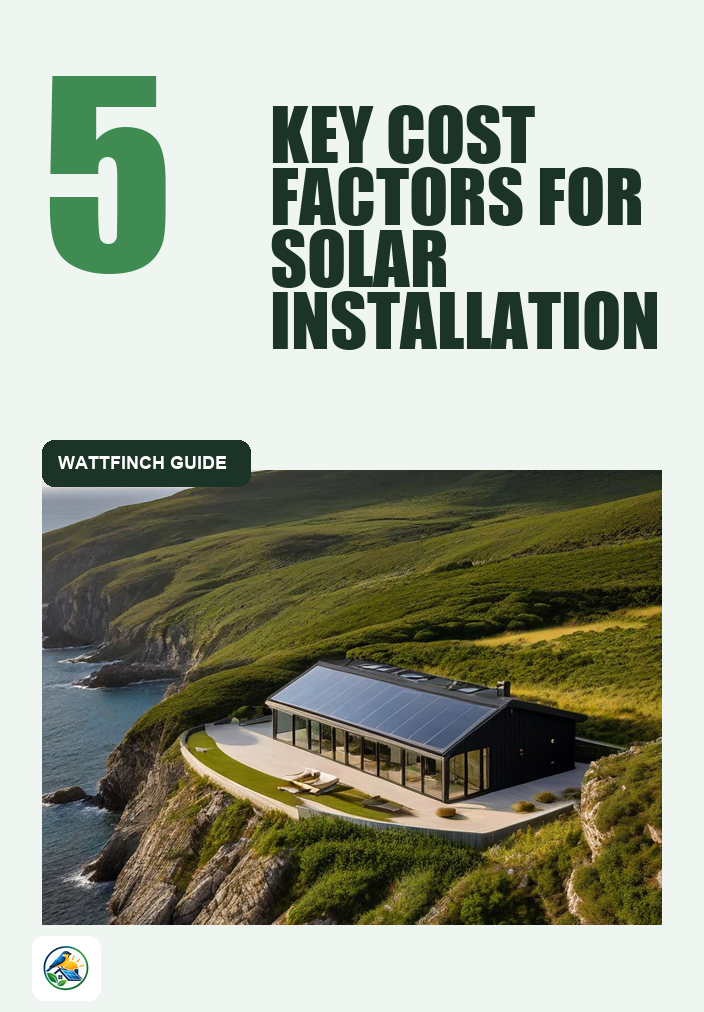
- Ask for Itemized Estimates: Request detailed breakdowns of costs, including equipment, labor, permits, and any warranties offered. Understanding these details helps you make an informed decision.
- Check Installer Credentials: Ensure that potential installers have the necessary licenses, insurance, and certifications. Read reviews and ask for references.
Preparing for Installation Day
As your installation day approaches, here are a few final steps to ensure a smooth process:
- Clear the Area: Make sure the installation area is accessible. Remove any obstacles that might hinder the installation team.
- Notify Your Utility Company: If required, inform your utility company of the upcoming installation.
- Discuss Access with Your Installer: Confirm how long the installation will take and any requirements they may have.
Next Steps
Preparing your Florida home for solar installation involves several important steps, from assessing your home’s suitability to gathering quotes from qualified installers. Take the time to research and understand your options, and don’t hesitate to seek professional advice when necessary. By comparing itemized quotes and ensuring your home is ready, you can help facilitate a smoother solar installation process and set your home on the path toward renewable energy.