Understanding Solar-Powered Well Pump Systems
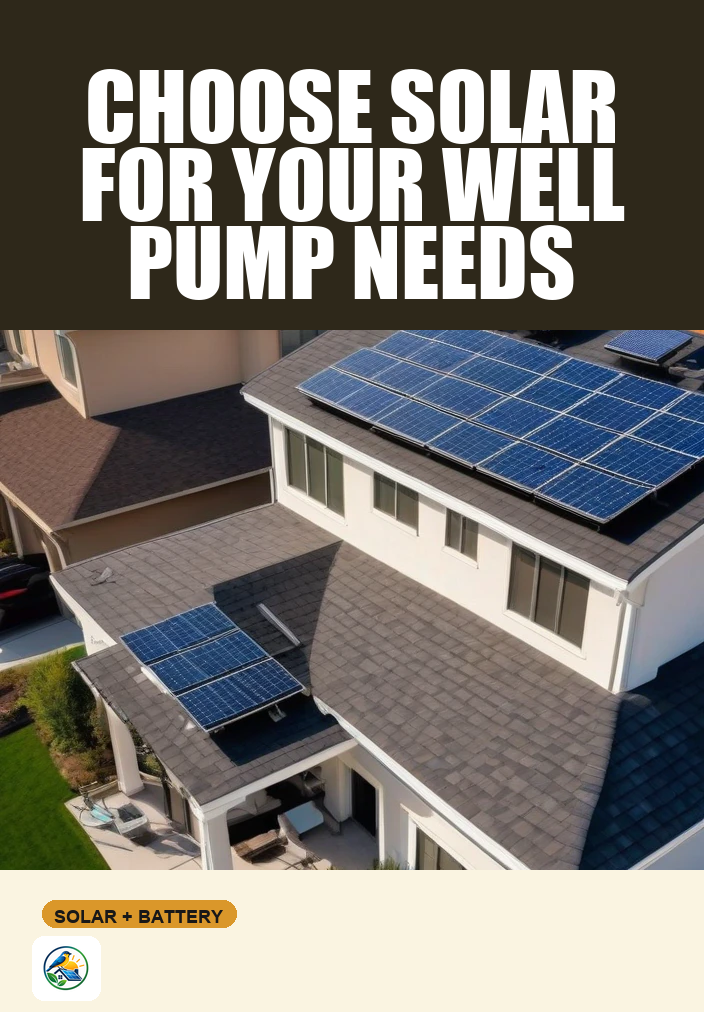
For many homeowners in rural areas, having a reliable water source is essential. Well pump systems powered by solar energy are gaining popularity as a sustainable solution that can reduce dependence on traditional energy sources. When combined with battery storage, these systems can offer enhanced efficiency and reliability. In this article, we will explore the various solar solutions available for well pump systems, focusing on the integration of battery storage.
How Solar-Powered Well Pump Systems Work
Solar-powered well pump systems harness energy from the sun to operate pumps that draw water from wells. These systems typically include solar panels, a pump controller, and the well pump itself. The key components are:
- Solar Panels: Convert sunlight into electricity to power the pump.
- Pump Controller: Regulates the power flow from the solar panels to the pump.
- Well Pump: Pumps water from the well to the surface and into your home.
When the sun is shining, solar panels generate electricity directly to operate the pump. However, a challenge arises during cloudy days or nighttime when solar generation is low or nonexistent. This is where battery storage can play a vital role.
Benefits of Adding Battery Storage
Integrating battery storage with your solar well pump system can provide several advantages:
- Energy Independence: With a battery, you can store excess energy generated during the day for use at night or during cloudy periods.
- Reliability: Battery storage ensures a continuous water supply, reducing the risk of running out during peak usage times.
- Efficiency: Batteries can help optimize energy use, allowing you to draw power from the battery when solar generation is low.
Types of Battery Options
When considering a solar-powered well pump system with battery storage, you will encounter various battery options. Here are the most common types:
- Lead-Acid Batteries: These are traditional batteries that are economical but have a shorter lifespan and lower depth of discharge compared to lithium-ion batteries.
- Lithium-Ion Batteries: More efficient and longer-lasting, these batteries offer better performance with deeper discharge rates but come at a higher initial cost.
- Nickel-Cadmium Batteries: While durable and capable of functioning in extreme conditions, they are less commonly used due to environmental concerns.
When selecting a battery type, consider factors such as lifespan, efficiency, and overall cost. Consulting with a professional installer can help you determine the best option for your specific needs.
Sizing Your Solar and Battery System
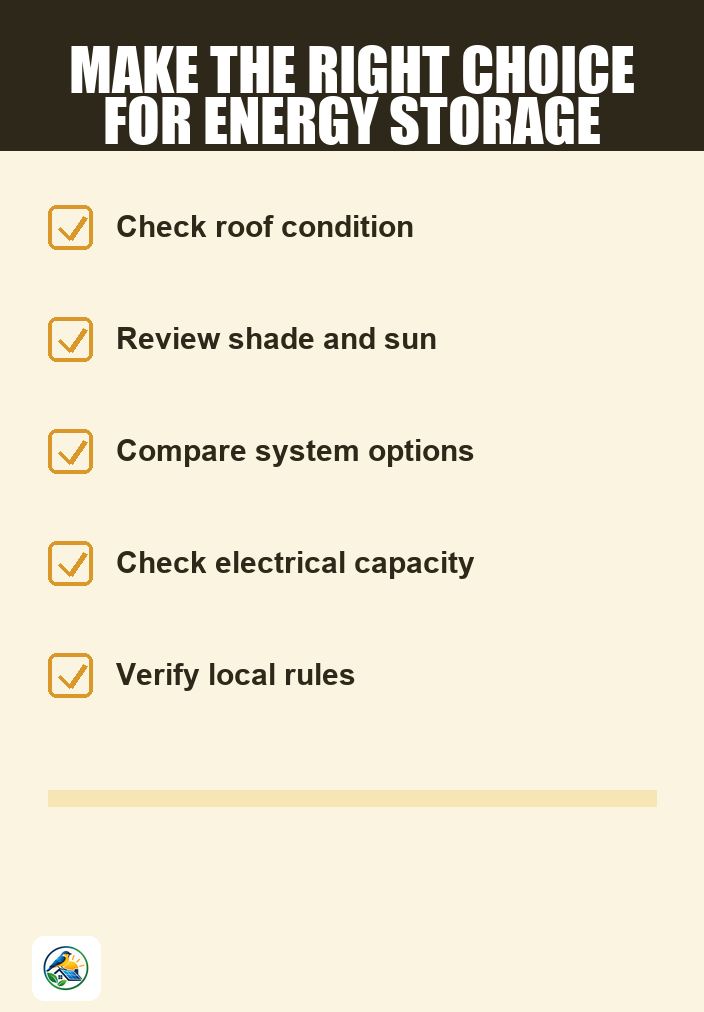
Proper sizing of your solar and battery system is crucial for achieving optimal performance. Here are some steps to consider:
- Determine Water Usage: Assess your daily water needs to estimate the required pump capacity and energy consumption.
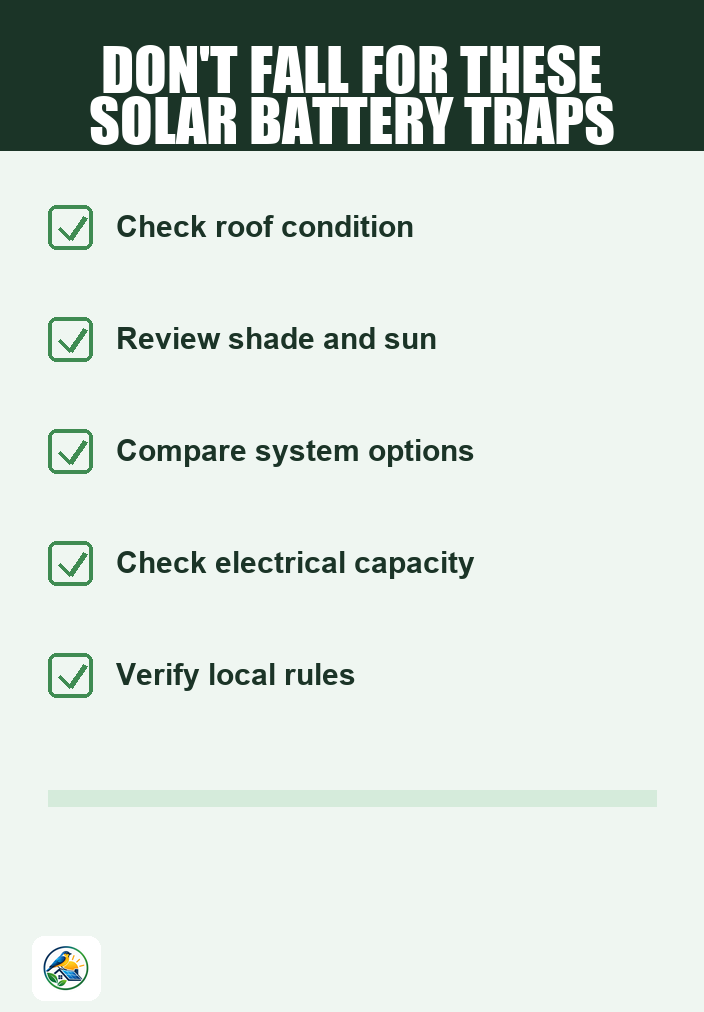
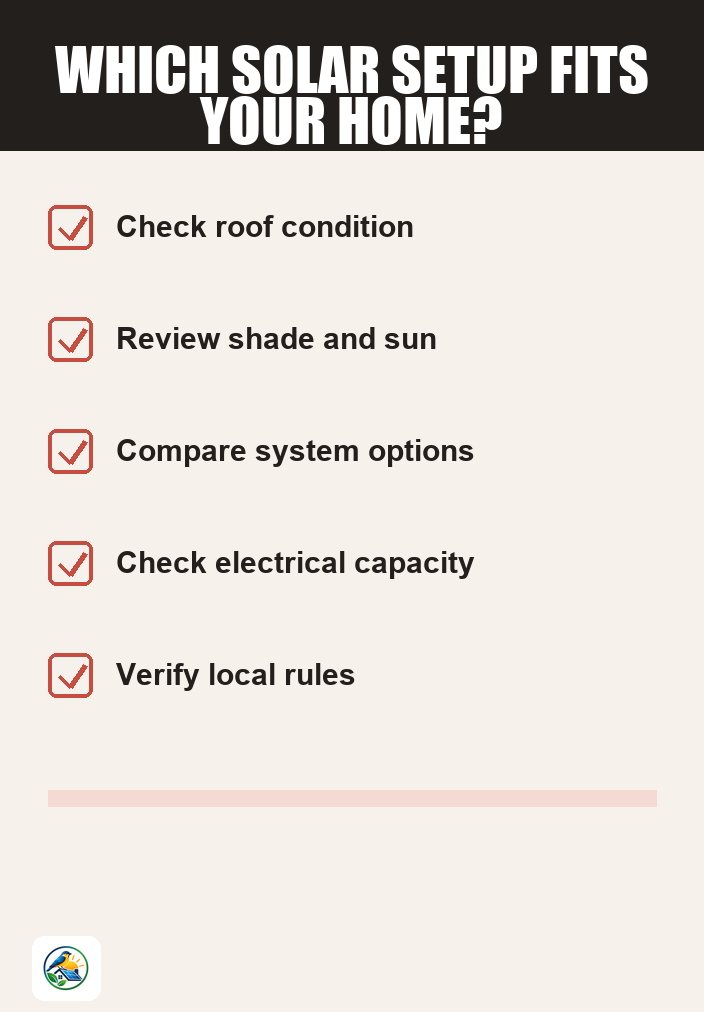
- Evaluate Solar Potential: Consider your location’s solar exposure, roof orientation, and any shading that may affect panel efficiency.
- Calculate Energy Needs: Estimate the wattage required for your pump and any additional appliances you may want to power.
- Choose Battery Capacity: Select a battery that can store enough energy to meet your needs during periods of low sunlight.
Working with a qualified installer can provide valuable insights into the sizing process, ensuring that your system is tailored to your unique situation.
Trade-Offs and Considerations
While solar-powered well pump systems with battery storage offer numerous benefits, there are several trade-offs and considerations to keep in mind:
- Initial Costs: The upfront investment can be significant, especially with battery storage. It’s essential to weigh these costs against potential long-term benefits.
- Maintenance: Solar systems require regular maintenance, including cleaning panels and monitoring battery health.
- Permitting and Regulations: Local regulations regarding solar installations can vary widely. Ensure you understand the permitting process and any potential restrictions.
- System Longevity: The lifespan of the components, including batteries, can impact overall system viability. Be aware of replacement costs when batteries reach the end of their life.
Comparing Quotes from Professional Installers
Before making a decision, it’s advisable to obtain itemized quotes from qualified solar installers. Here are some tips for comparing quotes effectively:
- Evaluate System Components: Ensure each quote includes similar components, such as the type and number of solar panels, battery capacity, and pump specifications.
- Review Installation Costs: Compare installation labor costs and any additional fees associated with permits or inspections.
- Check Warranties: Look for information on warranties for both the solar panels and battery systems.
- Consider Service and Support: Inquire about post-installation support and maintenance services offered by the installer.
Next Steps for Homeowners
Investing in a solar-powered well pump system with battery storage can provide a reliable and efficient water source for your home. As you consider this option, take the following steps:
- Assess your specific water needs and well pump requirements.
- Research local solar installers and obtain multiple itemized quotes.
- Verify current local utility policies, incentives, and regulations related to solar installations.
- Weigh the benefits and trade-offs of solar and battery systems based on your unique circumstances.
By taking the time to explore your options and gather the necessary information, you can make an informed decision about integrating solar solutions for your well pump system.