
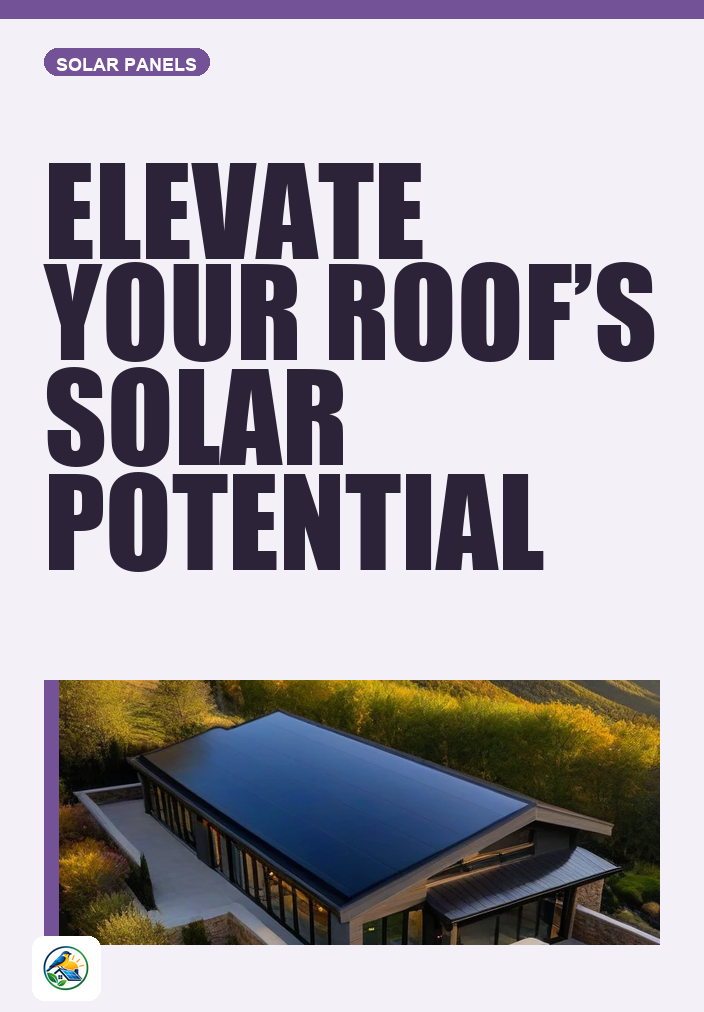
Why Two-Story Homes Are Ideal Candidates for Solar Energy Solutions
Two-story homes are becoming increasingly popular among U.S. homeowners, and for good reason. Beyond their spaciousness and design flexibility, these homes often present unique opportunities for solar energy solutions. If you’re considering a residential rooftop solar system, understanding the advantages and considerations related to your two-story home can help you make a more informed decision.
Understanding the Solar Advantage for Two-Story Homes
Two-story homes typically offer more roof space compared to single-story homes. This extra space can be a significant advantage when considering solar panels. The increased square footage provides greater flexibility for installation, allowing for a more efficient solar array that can capture more sunlight.
Optimal Roof Orientation and Pitch
The angle and direction of your roof can significantly impact the efficiency of your solar panels. Many two-story homes have roofs that are pitched and oriented favorably towards the sun. This can enhance energy production, particularly if your roof faces south, southwest, or west—directions that tend to receive the most sunlight throughout the day.
Space for Battery Storage Solutions
Many homeowners are now considering battery backup systems to store excess solar energy for later use. A two-story home often has more options for integrating these systems, whether in a basement, garage, or utility room. This flexibility can make it easier to install a battery system that complements your solar setup.
Considerations for Battery Systems
- Size and Capacity: Evaluate the size of the battery system you need based on your energy consumption and solar production.
- Location: Ensure that the battery can be installed in a location that is both accessible and safe.
- Integration: Check how the battery system integrates with your solar panels and existing electrical system.
Potential Shade Issues
While two-story homes can be ideal for solar energy solutions, they may also present challenges. One common issue is shading from nearby trees or neighboring buildings. This shading can significantly reduce the efficiency of solar panels. It’s essential to assess the surrounding environment and identify any potential shade issues before installation.
How to Evaluate Shade Impact
- Use Shade Analysis Tools: Various online tools and apps can help you evaluate potential shading on your roof throughout the year.
- Consult with Professionals: A solar installer can perform a shade analysis to determine the best placement for your solar panels.
- Consider Tree Trimming: If trees are the primary source of shading, discuss options for trimming or removing them with a professional.
Roof Condition and Material Considerations
The condition and material of your roof play a crucial role in the feasibility of installing solar panels. If your two-story home has an aging roof, it might require repairs or even replacement before installation. This can add to your upfront costs, so it’s important to factor this into your overall budgeting.
Evaluating Roof Condition
- Age of the Roof: A roof nearing the end of its lifespan may need replacement before solar installation.
- Material: Certain roofing materials are more compatible with solar panels; for example, asphalt shingles are generally easier to work with than tile or metal.
- Structural Integrity: Ensure your roof can support the weight of the solar panels and mounting equipment.
Electrical System Compatibility
Your home’s electrical system must also be compatible with solar installation. Two-story homes may have more complex electrical setups, which can influence the installation process. An evaluation of your current electrical system will help determine if any upgrades are necessary to accommodate solar panels.
Assessing Electrical System Needs
- Panel Capacity: Determine if your existing electrical panel can handle the additional load from solar energy.
- Wiring Condition: Inspect the wiring for any signs of wear or damage that may require upgrades.
- Inverter Requirements: Discuss inverter options with your solar installer, as they will convert the solar energy into usable electricity.
Local Regulations and Permitting
Before installing solar panels, homeowners must navigate local regulations and permitting processes, which can vary significantly by location. Two-story homes may have additional zoning considerations, particularly if they are located in historic districts or areas with strict homeowner association rules.
What to Research for Permitting
- Zoning Laws: Check if there are any zoning restrictions that apply to your home regarding solar panel installations.
- Homeowner Association Rules: Review any HOA guidelines that may impact your ability to install solar panels.
- Permitting Process: Consult with your local government to understand the necessary permits required for installation.
Next Steps for Homeowners
If you’re considering solar energy solutions for your two-story home, taking the time to evaluate your specific situation is crucial. Here are some practical next steps:
- Conduct a thorough assessment of your roof’s condition, orientation, and shading.
- Evaluate your electrical system for compatibility with solar technology.
- Research local regulations and permitting requirements.
- Consult with a qualified solar installer to obtain itemized quotes and professional advice tailored to your home.
By taking these steps, you can better determine whether solar energy is a good fit for your two-story home and make a more informed decision about moving forward with installation.


















