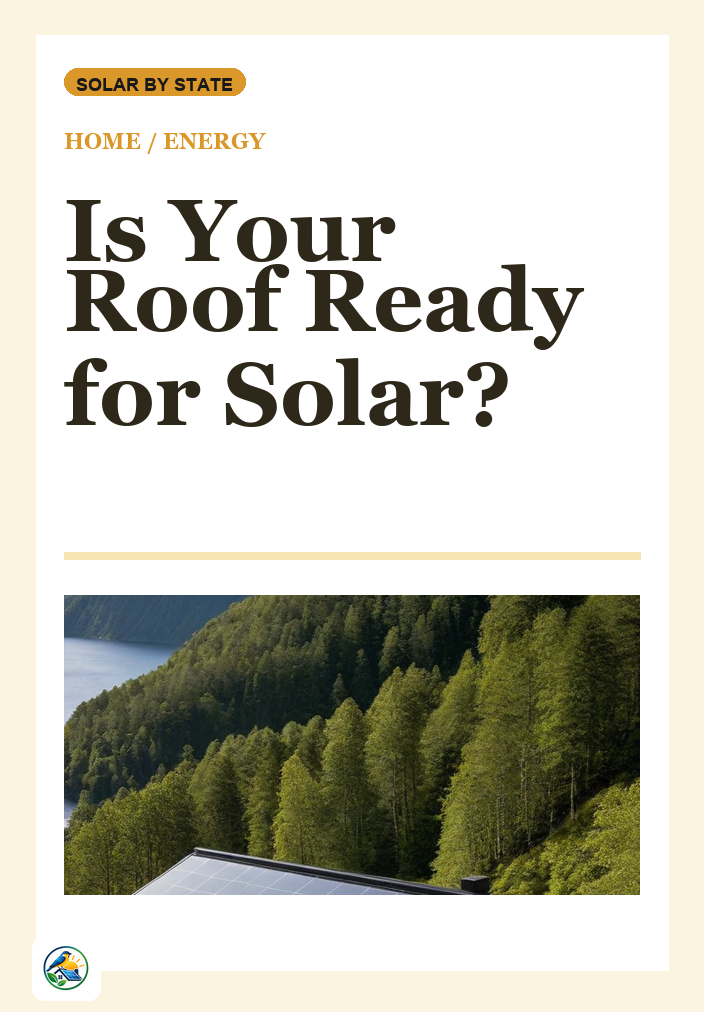
Understanding Solar Installation in Virginia: Common Pitfalls to Avoid
Installing solar panels on your home can be an exciting and potentially beneficial investment. However, it’s essential to navigate the complexities involved carefully. Virginia homeowners should be aware of common pitfalls that can arise during the installation process. This guide outlines key considerations to help you make informed decisions about your solar installation.
1. Skipping the Site Assessment
One of the first mistakes homeowners make is neglecting a thorough site assessment. Understanding your property’s unique characteristics is crucial for an effective solar installation. Factors such as roof orientation, pitch, and shading from trees or neighboring buildings can significantly impact energy production.
Why a Site Assessment Matters
- Solar Exposure: Optimal solar exposure is vital for maximizing energy production. A site assessment helps identify areas with the most sunlight.
- Roof Condition: Ensure your roof is in good condition before installation. If it needs repairs or replacement, it’s best to address these issues first.
- Shading Analysis: Trees or structures that cast shadows can reduce the efficiency of your solar system.
A professional installer can provide a comprehensive site assessment to help you understand your specific needs.
2. Not Evaluating Your Energy Needs
Before committing to a solar system, it’s crucial to evaluate your current and future energy needs. Many homeowners underestimate their energy consumption or fail to consider future changes, such as adding appliances or expanding their home.
Assessing Your Energy Usage
- Review Your Utility Bills: Look at your past energy bills to understand your average monthly usage.
- Consider Future Changes: Account for any planned changes in your household that could affect energy consumption.
- Consult with Experts: A qualified installer can help you analyze your energy needs and recommend an appropriate system size.
3. Ignoring Financing Options
Financing is a critical aspect of any solar installation. Many homeowners fail to explore all available options, which can lead to unexpected costs. Understanding your financing options is essential for managing the overall expense of your solar project.
Types of Financing to Consider
- Cash Purchase: Buying your system outright can save you money in the long run, but it may not be feasible for everyone.
- Solar Loans: Many lenders offer loans specifically for solar installations, allowing you to spread the cost over time.
- Leases and Power Purchase Agreements (PPAs): These options can allow you to install solar with little to no upfront cost, but they often come with long-term commitments.
Always compare financing options and ensure you understand the total cost, including any interest or fees associated with loans or leases.
4. Overlooking Local Regulations and Incentives
Virginia has specific regulations and incentives that can impact your solar installation. Failing to understand these can lead to unexpected delays or costs.
Key Regulations and Incentives to Know
- Permitting Requirements: Each locality may have different permitting processes and requirements. Check your local regulations before starting the installation.
- Interconnection Standards: Understand the rules for connecting your solar system to the grid, which vary by utility provider.
- Incentives: Stay informed about state and federal incentives, such as tax credits, which can significantly reduce installation costs. Verify current information, as these can change.
5. Neglecting Maintenance and Monitoring
Once your solar system is installed, it requires ongoing maintenance and monitoring. Many homeowners overlook this aspect, which can lead to reduced efficiency or unnoticed issues.
Best Practices for Maintenance
- Regular Inspections: Schedule periodic inspections to check for damage or wear.
- Monitoring Systems: Consider investing in a monitoring system that tracks the performance of your solar panels.
- Cleaning: Keep the panels clean and free from debris, as dirt and grime can affect performance.
By staying proactive with maintenance, you can ensure your solar system operates efficiently and effectively over its lifespan.
6. Choosing the Wrong Installer
Selecting a qualified solar installer is crucial for a successful installation. Many homeowners make the mistake of choosing based solely on price, overlooking the importance of experience and reliability.
Tips for Selecting an Installer
- Check Credentials: Ensure the installer is licensed and insured, and check for any certifications specific to solar installation.
- Read Reviews: Look for customer reviews and testimonials to gauge the installer’s reputation.
- Get Multiple Quotes: Obtain detailed, itemized quotes from several installers to compare pricing, warranties, and services offered.
Choosing the right installer can make a significant difference in the quality and longevity of your solar system.
7. Underestimating the Value of Energy Storage
As homeowners consider solar options, many overlook the benefits of adding a home battery system. While solar panels generate electricity during the day, a battery can store excess energy for use at night or during outages.
Why Consider Energy Storage?
- Energy Independence: A battery system allows you to use stored energy rather than relying on the grid.
- Backup Power: In case of power outages, a battery can provide essential backup power.
- Maximize Solar Use: Storing energy helps you utilize more of the energy your solar system generates.
Evaluate whether adding a battery storage system makes sense for your household’s energy needs and budget.
Next Steps for Virginia Homeowners
Installing solar can be a rewarding endeavor when approached with careful consideration. By avoiding common pitfalls outlined in this article, you can make informed decisions that align with your energy needs and financial situation. Start by conducting a thorough site assessment, evaluating your energy consumption, and exploring various financing options.
When you’re ready, compare itemized quotes from qualified installers to ensure you understand the costs and services offered. Remember to verify the latest information on local regulations, incentives, and financing options to maximize the benefits of your solar installation.