
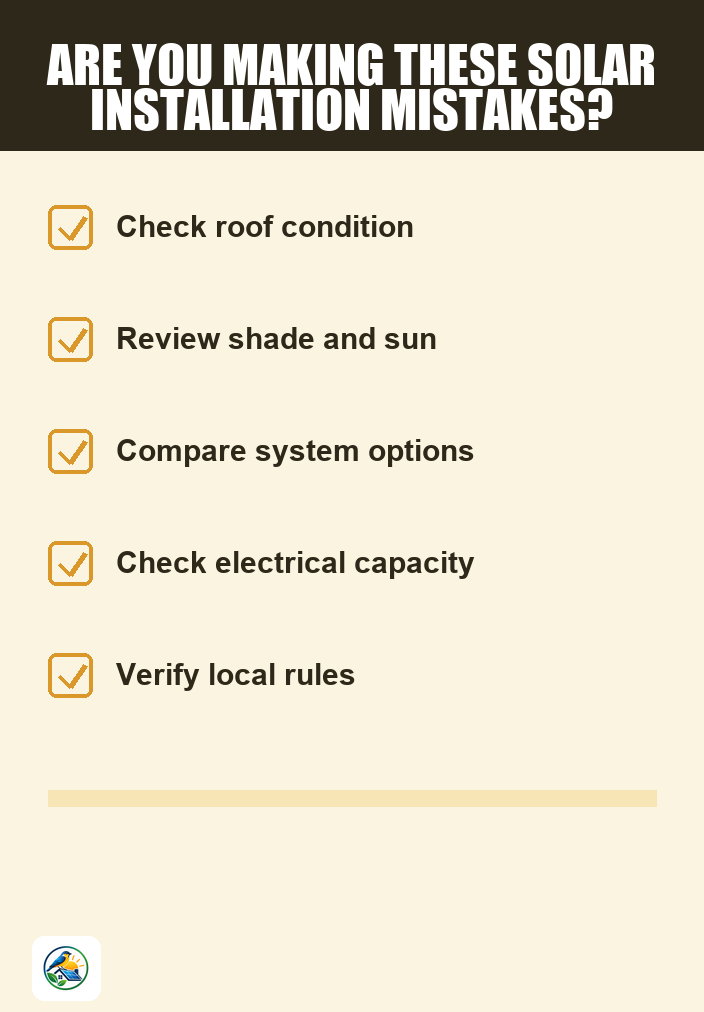
Understanding Common Mistakes in Solar Installation Electrical Upgrades
Considering a solar installation for your home is a significant decision, and while it has the potential to provide long-term benefits, navigating the process can be fraught with challenges. Homeowners often encounter a range of common mistakes during electrical upgrades associated with solar installations. Understanding these pitfalls can help you make informed decisions and avoid costly errors.
Neglecting Electrical System Compatibility
One of the first considerations when planning your solar installation is the compatibility of your existing electrical system with the new solar equipment. Homeowners often overlook the need for electrical upgrades, which can lead to complications during installation.
Key Considerations for Electrical Upgrades
- Adequate Capacity: Ensure your electrical panel can handle the additional load from the solar system. An underpowered panel may require replacement or upgrading.
- Wiring Condition: Inspect existing wiring for any wear or damage. Old or insufficient wiring may not support the new system’s requirements.
- Grounding and Safety: Proper grounding is essential for the safety of your solar installation. Inadequate grounding can lead to electrical hazards.
Consulting with a qualified electrician or solar installer can help assess your current system and recommend necessary upgrades.
Ignoring Local Regulations and Permits
Each locality has specific regulations regarding solar installations, which can include permitting processes and building codes. Homeowners frequently neglect to research these requirements, leading to delays or even project cancellations.
Steps to Ensure Compliance
- Research Local Codes: Familiarize yourself with local laws regarding solar installations, as they can vary significantly.
- Obtain Necessary Permits: Most installations require permits. Ensure these are secured before installation begins.
- Understand Interconnection Rules: If you plan to connect to the grid, know the rules regarding interconnection, as utilities may have specific requirements.
Taking the time to verify local regulations can save you from future headaches.
Overlooking Roof Condition and Orientation
Your roof’s condition and orientation play a crucial role in the effectiveness of a solar system. Many homeowners proceed with installations without properly evaluating these aspects, which can lead to suboptimal performance.
Evaluating Your Roof
- Roof Age: If your roof is nearing the end of its lifespan, consider replacing it before installing solar panels.
- Shade Analysis: Ensure your roof has minimal shading from trees or nearby structures, as this can significantly impact energy production.
- Orientation and Tilt: South-facing roofs typically yield the best results, but east and west-facing roofs can also be viable options.
Conducting a thorough assessment can help determine if your roof is suitable for solar panels or if modifications are necessary.
Failing to Consider Battery Storage Options
Many homeowners are drawn to the idea of battery storage in conjunction with their solar installation, but misconceptions often arise regarding its necessity and functionality. While batteries can provide backup power, they may not be essential for every installation.
Battery Storage Considerations
- Backup Needs: Assess your need for backup power during outages. If your area experiences frequent outages, a battery may be beneficial.
- Cost vs. Benefit: Batteries can add significant costs to your solar installation. Weigh the benefits against the expenses based on your energy needs.
- Integration with Existing Systems: Ensure that any battery system integrates smoothly with your solar panels and home electrical system.
Consulting with a professional can help clarify whether battery storage is a worthwhile investment for your circumstances.
Comparing Quotes Without Understanding the Details
It’s essential to compare quotes from different solar installers, but many homeowners fail to scrutinize the details within those quotes. Understanding what each component entails can reveal significant disparities in quality and value.
Checklist for Comparing Quotes
- Itemization: Ensure quotes are itemized, detailing costs for equipment, labor, permits, and any additional services.
- Warranties: Compare warranties on both equipment and installation, as these can vary widely between installers.
- Installation Timeline: Inquire about the expected timeline for installation and any potential delays.
Being thorough in your comparisons can help prevent unexpected costs down the line.
Neglecting Long-Term Maintenance and Monitoring
After installation, many homeowners forget about the maintenance and monitoring of their solar systems. While solar panels generally require little upkeep, neglecting this aspect can lead to decreased efficiency over time.
Maintenance Tips
- Regular Inspections: Schedule periodic inspections to check for debris, damage, or dirt accumulation on your panels.
- Monitoring Production: Utilize monitoring systems to track the performance of your solar energy system.
- Professional Servicing: Consider professional servicing if you notice significant drops in production or other issues.
Staying proactive about maintenance can ensure your system operates efficiently throughout its lifespan.
Next Steps for Homeowners
As you consider a solar energy installation, take the time to thoroughly evaluate your electrical system, roof condition, local regulations, and installation quotes. Engage with qualified professionals to navigate these complexities effectively. By avoiding common mistakes and being informed, you can make better decisions that align with your energy needs and budget.
Remember, comparing itemized quotes from qualified installers is crucial. This process will help you understand your options and ensure you select the best system for your home. Always verify current local utility rules, incentives, and tax credits, as these can change and significantly impact your solar project.


















