
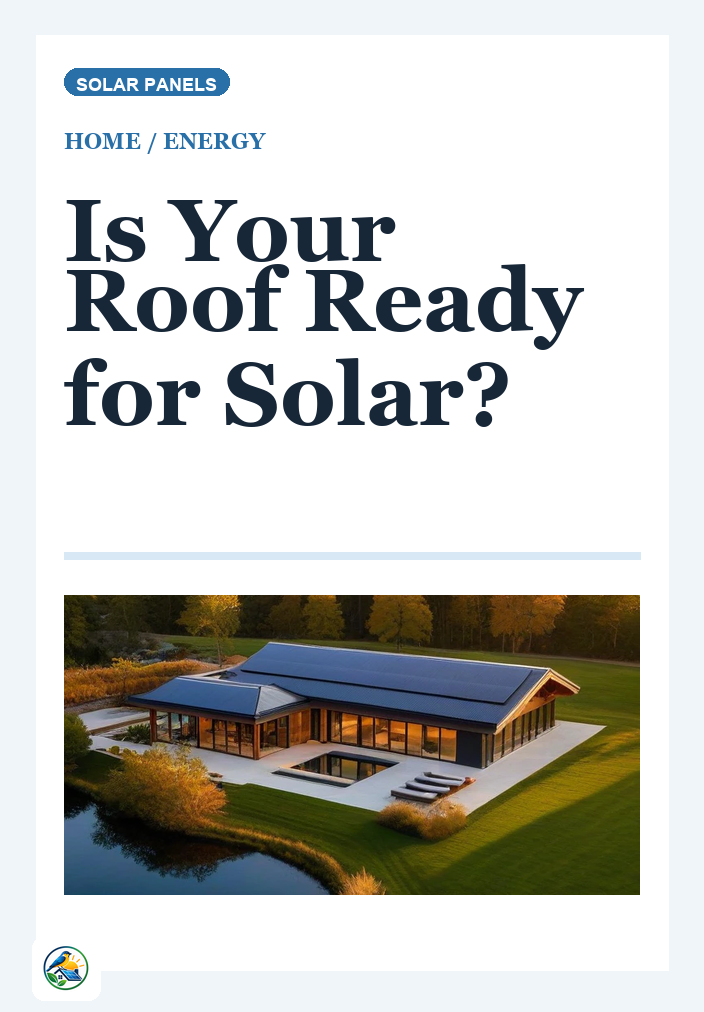
Understanding Your Home’s Compatibility with Solar Energy
Before diving into a solar panel installation, homeowners with older homes need to assess whether their property is suitable for a solar energy system. This involves examining various factors such as roof condition, orientation, and shading, which can significantly influence the effectiveness of a solar system. Each of these elements plays a crucial role in determining both the feasibility and efficiency of solar energy production.
Roof Condition and Structure
One of the first considerations is the condition of your roof. An aging or deteriorating roof may require repairs or even replacement before solar panels can be installed. Here are some key points to evaluate:
- Age of the Roof: If your roof is nearing the end of its lifespan (typically 20-30 years), consider replacing it before installation.
- Material Type: Certain materials, like slate or tile, may require special mounting techniques or may not be suitable for solar panels.
- Structural Integrity: Ensure that the roof can support the additional weight of solar panels, especially if you live in a region with heavy snowfall or high winds.
Roof Orientation and Pitch
The orientation and pitch of your roof significantly affect solar energy production. Ideally, solar panels should face south for maximum sunlight exposure. Here are some considerations:
- Orientation: A south-facing roof is optimal, but east or west-facing roofs can still be effective, albeit with slightly reduced energy production.
- Pitch: A roof pitch of 15-40 degrees is generally considered ideal. Steeper or flatter roofs can still work but may require additional considerations for panel installation.
Shading and Surrounding Environment
Shading from trees, buildings, or other structures can significantly reduce the efficiency of solar panels. To assess shading:
- Conduct a Shade Analysis: Observe how shadows move across your roof throughout the day and year.
- Consider Tree Maintenance: If trees are shading your roof, trimming or removing them may be necessary.
- Install Shading Solutions: In some cases, installing solar panels in less shaded areas or using microinverters can help mitigate shading issues.
Electrical Infrastructure Evaluation
Before installation, evaluate your home’s electrical system to ensure it can support a solar energy system, especially if you’re considering battery backup options:
- Electrical Panel Capacity: Check if your electrical panel can handle the additional load from solar panels. An upgrade may be necessary.
- Wiring Condition: Older homes may have outdated wiring, which could pose safety risks and require upgrades.
- Net Metering Compatibility: Verify if your utility offers net metering, which allows you to sell excess energy back to the grid.
Permitting and Local Regulations
Each jurisdiction has its own rules regarding solar panel installations. It’s essential to understand the permitting process and local regulations:
- Check Local Ordinances: Some areas may have restrictions on the type, size, or placement of solar panels.
- Homeowner Association (HOA) Rules: If you live in an HOA, review their guidelines regarding solar installations.
- Permitting Process: Contact your local building department to understand the necessary permits and inspections required for installation.
Financial Considerations and Incentives
Solar installations can involve significant upfront costs, and while incentives may be available, they vary widely by location:
- Evaluate Financing Options: Research different financing options available to you, such as loans, leases, or power purchase agreements.
- Research Incentives: Look into local, state, or federal incentives that may help offset installation costs. Always verify current eligibility and amounts.
- Cost-Benefit Analysis: Consider conducting a cost-benefit analysis to determine if solar is a financially sound decision for your specific situation.
Choosing the Right Installer
Finding a qualified installer is crucial for a successful solar installation. Here are some tips:
- Research Qualified Installers: Look for installers with experience in older homes, as they may face unique challenges.
- Get Multiple Quotes: Always compare itemized quotes from different installers to better understand your options and pricing.
- Check Reviews and References: Look for reviews and request references to gauge the installer’s reliability and quality of work.
Evaluating Options for Battery Backup
If you’re considering solar battery backup, evaluate how it fits into your overall energy strategy:
- Battery Type: Research different battery options, such as lithium-ion or lead-acid, and their respective advantages and limitations.
- Storage Capacity: Assess your energy needs to determine the appropriate battery capacity for your home.
- Integration with Solar Panels: Ensure that the battery system can be integrated effectively with your solar panels.
Next Steps for Homeowners
After evaluating your home against this checklist, consider the following next steps:
- Conduct a thorough roof inspection and necessary repairs.
- Assess your electrical system and consider any upgrades.
- Research local regulations and permits relevant to solar installations.
- Gather multiple quotes from qualified solar installers to compare options.
By following this checklist, homeowners with older homes can better understand their readiness for solar panel installation and take informed steps toward harnessing solar energy efficiently.


















