
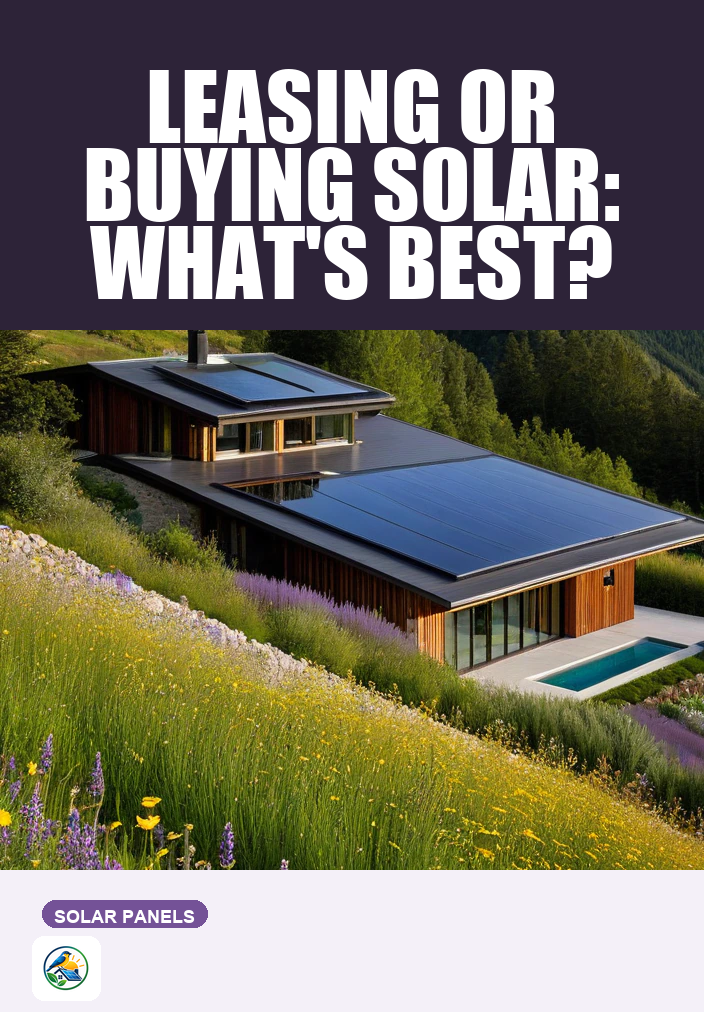
Understanding Solar Panel Financing for Shingle Roofs
As a U.S. homeowner considering a rooftop solar system, you may face a crucial decision: whether to lease or purchase your solar panels. This choice is particularly relevant for homes with shingle roofs, which are one of the most common roofing materials across the country. In this article, we’ll explore the financing options available, the trade-offs between leasing and purchasing, and key considerations to help you make an informed decision.
Lease vs. Purchase: What’s the Difference?
At its core, the choice between leasing and purchasing solar panels revolves around ownership, financial responsibility, and long-term benefits. Here’s a breakdown of each option:
Leasing Solar Panels
When you lease solar panels, you essentially rent the equipment from a solar provider. This arrangement typically involves lower upfront costs, making it attractive for homeowners who want to avoid the hefty initial investment of purchasing. Here are some features of solar leases:
- Lower Initial Costs: Leasing usually requires little to no down payment, allowing you to install solar without a significant financial burden.
- Fixed Monthly Payments: You’ll pay a predetermined monthly fee throughout the lease term, often 20 to 25 years.
- Maintenance Included: Most leases cover maintenance and monitoring, meaning you won’t have to worry about repairs or upkeep.
- Limited Financial Incentives: Since you do not own the system, you may not be eligible for certain tax credits or incentives, which could limit your savings.
Purchasing Solar Panels
Buying solar panels outright means you own the system and all associated benefits. This option usually requires a larger upfront investment, but it can lead to significant long-term savings. Consider the following aspects of purchasing:
- Ownership Benefits: As the owner, you can take advantage of federal tax credits and local incentives, which can substantially reduce your overall investment.
- Increased Property Value: Ownership may increase your home’s resale value, a potential benefit if you plan to sell in the future.
- Flexibility: You have the freedom to customize your solar system and make upgrades as needed, including battery installations for backup power.
- Higher Upfront Costs: The initial investment can be significant, potentially requiring financing options if you do not have the capital available.
Evaluating the Trade-offs
Choosing between leasing and purchasing a solar panel system involves weighing the pros and cons based on your unique situation. Here are some critical factors to consider:
Financial Considerations
Assess your financial situation. If you have the cash flow to support a purchase, the long-term savings from owning the system may outweigh the upfront costs. Conversely, if upfront costs are a barrier, a lease might be the better option, though you may miss out on certain financial incentives.
Your Home’s Condition
The condition and type of your roof can also impact your decision. Shingle roofs are generally well-suited for solar installations, but if your roof is old or needs repairs, it may be wise to address these issues first, regardless of whether you lease or buy. A roof in poor condition could lead to additional costs down the line.
Long-term Plans
Consider how long you plan to stay in your home. If you intend to move in the near future, leasing might be more appealing, as it allows you to avoid the complexities of ownership. However, if you view your home as a long-term investment, purchasing could yield greater financial benefits.
Energy Needs and Goals
Your energy usage and goals also play a significant role in your decision. If you want to maximize your energy independence, purchasing might be the better route, especially if you’re considering adding a home battery for backup power. A leased system may not offer the same flexibility for future upgrades.
What to Do Next
As you weigh your options, it’s essential to gather information tailored to your specific circumstances. Here are some practical next steps:
- Research Local Installers: Look for qualified solar installers in your area who can provide detailed quotes for both leasing and purchasing options.
- Request Itemized Quotes: Obtain itemized quotes from multiple installers to understand the costs associated with each option, including installation, maintenance, and financing.
- Verify Incentives: Check with local government and utility programs to verify available incentives that may apply to your situation, as these can vary significantly by location.
- Consult Professionals: Consider speaking with a financial advisor or solar consultant who can help you understand the implications of each option based on your financial goals and home energy needs.
Choosing the right financing option for your solar panel installation is a significant decision that can affect your finances and energy independence for years to come. By carefully evaluating the trade-offs between leasing and purchasing, and by seeking tailored quotes and expert advice, you can make an informed choice that aligns with your needs and goals.


















