
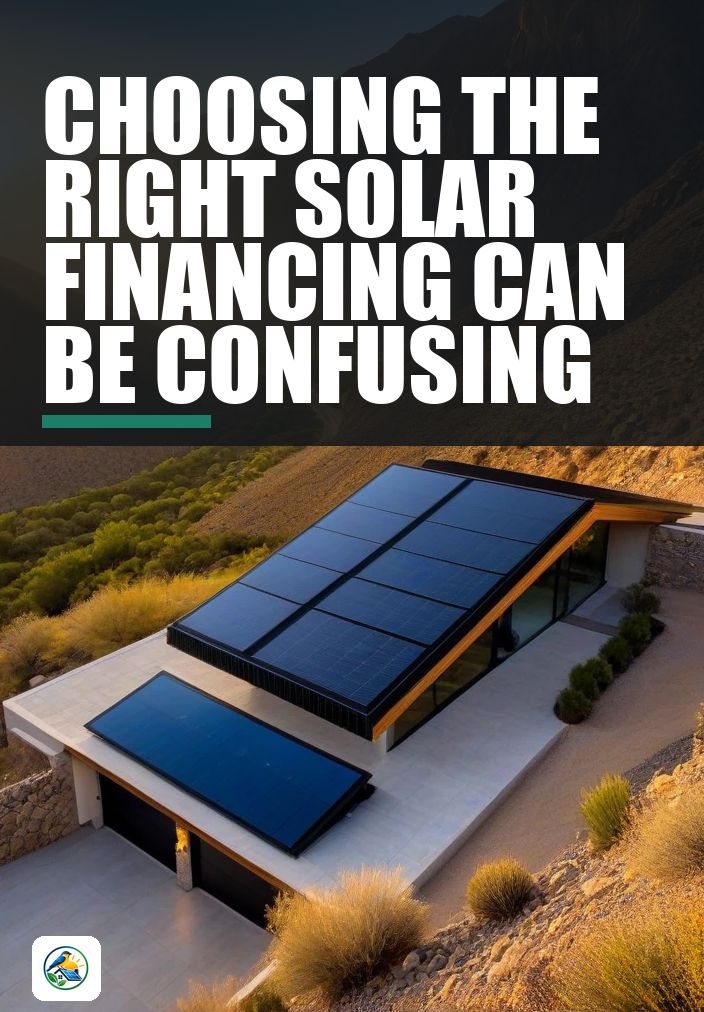
Understanding Solar Financing Options for Your Home
If you’re a U.S. homeowner considering a professionally installed residential rooftop solar system, you may find yourself overwhelmed by the various financing options available to you. Financing plays a crucial role in determining whether solar energy is a viable investment for your home. This guide will walk you through the main financing options, their trade-offs, and key considerations to help you make informed decisions about solar payback.
Types of Financing Options
When it comes to financing a solar installation, there are several primary options to consider:
- Cash Purchase: This option involves paying for the solar system upfront. It typically provides the highest long-term savings since you won’t incur interest costs or monthly payments.
- Solar Loans: These loans allow you to pay for the solar system over time, usually with fixed monthly payments. Solar loans can be secured (backed by collateral) or unsecured (not requiring collateral).
- Leases: In a solar lease, you pay a fixed monthly rate to use the solar system without owning it. The solar company retains ownership and is responsible for maintenance.
- Power Purchase Agreements (PPAs): Similar to leases, PPAs allow you to pay for the power generated by the solar system at a set rate, usually lower than your current utility rate. The installer maintains ownership and responsibility for the system.
Evaluating Each Option
Each financing option has its own benefits and drawbacks, depending on your financial situation, energy goals, and long-term plans. Here’s a closer look:
Cash Purchase
Paying cash for your solar system means you fully own the system from day one. This option maximizes your savings over time, as you won’t have any financing costs. However, it requires a significant upfront investment, which may not be feasible for all homeowners.
Solar Loans
Solar loans can be a great way to finance your solar installation without draining your savings. They often come with competitive interest rates and flexible terms. However, monthly payments can cut into your cash flow, and you’ll need to factor in the total cost of the loan, including interest, when calculating your payback period.
Leases
With a lease, you don’t own the solar system, which means you won’t benefit from federal tax credits or any local incentives. Monthly payments are typically lower than your current utility bill, but you may miss out on long-term savings. Additionally, you must check the lease terms carefully, as they can vary significantly between providers.
Power Purchase Agreements (PPAs)
PPAs offer a middle ground between leasing and ownership. You pay for the electricity generated rather than the system itself, making initial costs low. However, like leases, you won’t own the system, which limits your eligibility for certain incentives and the long-term financial benefits of ownership.
Considerations for Choosing a Financing Option
When comparing financing options, several homeowner-specific factors may influence your decision:
- Financial Situation: Assess your current financial health, including savings, credit score, and monthly budget. This will help determine whether a cash purchase, loan, lease, or PPA is best for you.
- Long-Term Plans: Consider how long you plan to stay in your home. If you’re planning to move soon, a lease or PPA might make more sense, as they require little to no upfront cost.
- Understanding Incentives: Take the time to research available federal, state, and local incentives for solar installations. Some financial options may offer better savings based on the incentives you qualify for.
- Utility Rates: Investigate your current utility rates and net-metering policies, as these can affect your potential savings and payback period.
- Roof Condition and Orientation: Your roof’s condition and orientation can impact the viability and efficiency of a solar installation. Ensure your roof is in good shape and positioned well for solar energy production.
Getting Accurate Quotes
Once you’ve evaluated your financing options, the next step is to obtain quotes from qualified solar installers. A professional installer can help you determine the right system size and financing that fits your needs. Here’s what to look for in your quotes:
- Itemized Costs: Ensure the quote includes a detailed breakdown of all costs, including equipment, installation, permits, and any additional features like battery storage.
- Financing Terms: Ask for clear terms on any financing options, including interest rates, monthly payments, and total loan costs.
- Incentives: Verify any incentives included in the quote, ensuring they are up-to-date and applicable to your location.
- Warranties and Maintenance: Understand the warranties offered for both equipment and labor, as well as any ongoing maintenance responsibilities.
Next Steps for Homeowners
Comparing financing options for solar payback is a vital step in deciding whether solar energy is right for your home. Take the time to evaluate your financial situation, research your options, and obtain detailed quotes from qualified installers. Remember, the right choice will depend on your unique circumstances, so ensure that you gather all necessary information before making a decision. A well-informed choice today can lead to long-term benefits for your household and energy independence.


















