
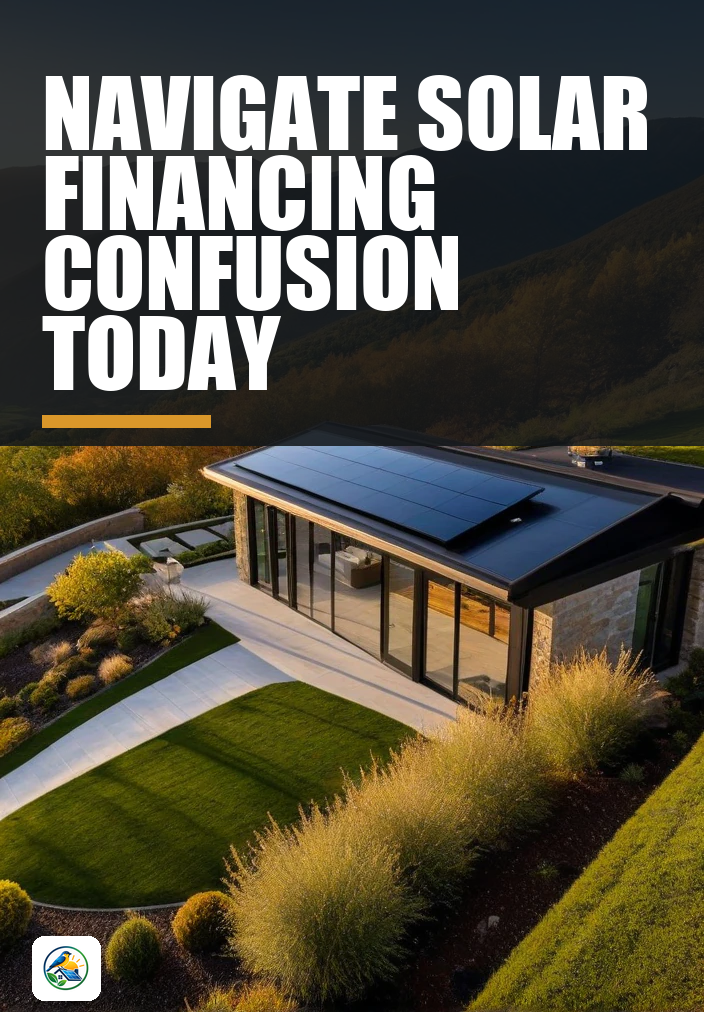
Understanding Solar Financing: Key Considerations for Homeowners
As a homeowner considering a solar energy system, you’ll undoubtedly have questions about how to finance the installation. With various options available, understanding the nuances can help you make an informed decision. This checklist outlines essential factors to consider when evaluating solar financing, ensuring that you set yourself up for success.
Evaluating Your Solar Financing Options
There are several financing options available for residential solar installations, each with its own advantages and trade-offs. Here’s a breakdown of the most common methods:
- Cash Purchase: Paying for your solar system outright eliminates any interest payments and maximizes your return on investment. However, this option requires a significant upfront payment.
- Solar Loans: Many homeowners choose to finance their solar systems through loans. These can be secured or unsecured and often come with fixed or variable interest rates. While this option allows you to pay over time, it can lead to higher overall costs due to interest.
- Leases: With a solar lease, you pay a monthly fee to use the solar equipment without owning it. This can lower your upfront costs, but you won’t benefit from tax credits or incentives.
- Power Purchase Agreements (PPAs): Similar to leases, a PPA allows you to pay for the energy produced by the solar system rather than for the system itself. This can provide savings on your monthly electric bill, but you won’t own the system.
Assessing Your Property’s Suitability for Solar
Before diving into financing, consider whether your property is a good candidate for solar energy. Here are some key factors to evaluate:
- Roof Condition: Ensure your roof is in good shape. If it requires repairs or replacement, it’s best to address these issues before installing solar panels.
- Orientation and Shade: South-facing roofs generally receive the most sunlight. If your roof is shaded by trees or nearby buildings, it may not produce enough energy for a solar system to be cost-effective.
- Local Climate: Your area’s climate affects solar energy production. Regions with abundant sunshine typically yield better returns on solar investments.
- Energy Needs: Review your current energy usage to determine the appropriate system size. Understanding your energy consumption can help you size your system properly.
Understanding Incentives and Rebates
Incentives for solar installations can vary widely by location, so it’s crucial to research what is available in your area. These may include:
- Federal Tax Credits: Historically, federal tax credits have significantly reduced the cost of solar installations. However, the percentage may change, so verify current rates and eligibility.
- State Incentives: Many states offer additional rebates or tax credits that can further lower installation costs. Investigate what programs your state offers.
- Utility Programs: Some local utilities provide financial incentives or rebates for solar installations. Check with your utility company to find out what’s available.
Comparing Quotes from Installers
Once you’ve determined the financing option that works best for you and evaluated your property’s suitability, the next step is to obtain and compare quotes from qualified solar installers. Here’s a checklist to guide you:
- Itemized Estimates: Ensure each quote includes a detailed breakdown of costs, including equipment, labor, permits, and any additional fees.
- System Specifications: Compare the types of panels, inverters, and any additional equipment like batteries. Different brands and technologies can affect performance and longevity.
- Warranties: Review warranty information for both equipment and installation. A good warranty can provide peace of mind.
- Installer Reputation: Research each installer’s reputation through reviews and ratings. A well-reviewed installer is more likely to deliver quality work.
- Financing Options: Inquire about financing arrangements each installer offers. Some may have partnerships with lenders that can provide competitive rates.
Understanding the Trade-Offs
While solar energy can be an excellent investment for many homeowners, it’s essential to understand the potential drawbacks and limitations:
- Upfront Costs: Even with financing, solar installation can require significant initial investment, which might not be feasible for everyone.
- Maintenance and Repairs: Solar systems require periodic maintenance. While they are generally low-maintenance, you should budget for potential repairs.
- Battery Limitations: If considering a home battery, be aware of its limitations. Batteries can add to the system’s cost and may not provide sufficient storage for all energy needs.
- Permitting and Regulations: Each locality has different permitting and installation regulations that can affect the timeline and feasibility of your installation.
- Future Plans: Consider your long-term plans for your home. If you plan to move soon, the benefits of solar may not be realized in the short term.
Practical Next Steps
As you embark on your solar journey, take the time to research and prepare thoroughly. Start by evaluating your property and energy needs, then explore your financing options. Obtain multiple quotes from qualified installers, ensuring you compare itemized estimates and understand the terms of each proposal.
Remember, while solar can offer many benefits, it’s important to verify all local rules, incentives, and financing details to make the best decision for your home. The journey towards solar energy is an exciting one, and with the right information, you can navigate it successfully.


















