
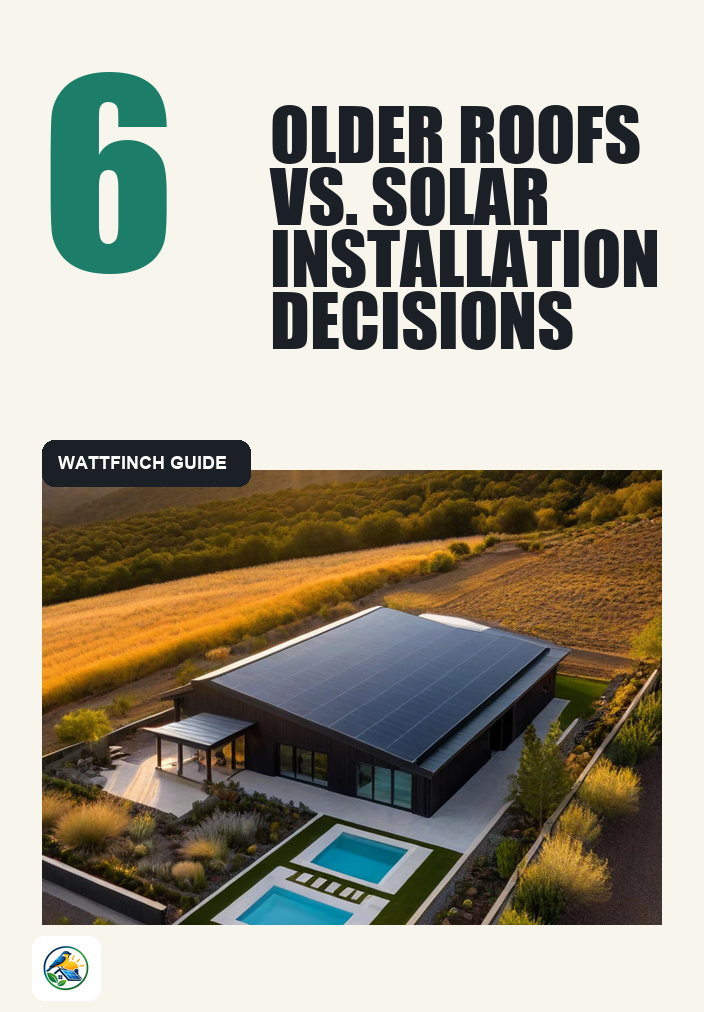
Understanding Your Roof’s Readiness for Solar Panels
When considering the installation of solar panels, many homeowners focus on the potential benefits—reduced energy bills, environmental impact, and energy independence. However, if you have an older roof, there are critical factors to assess before proceeding. This article outlines the considerations you need to evaluate to determine if your roof is suitable for solar panel installation and what steps to take next.
Assessing Your Roof’s Condition
The first step in determining if your roof can support solar panels is to assess its current condition. An older roof may have wear and tear, which could complicate the solar installation process. Here are some key aspects to evaluate:
- Age of the Roof: Roofing materials typically have a lifespan ranging from 15 to 50 years, depending on the type. If your roof is nearing the end of its lifespan, you might want to consider replacing it before installing solar panels.
- Material: Different roofing materials have different durability and installation requirements. Asphalt shingles, for example, are common and generally suitable for solar installation, while tile roofs may require additional considerations.
- Structural Integrity: Check for sagging, damaged shingles, and leaks. A professional inspection can help assess whether your roof can safely support the weight of solar panels.
Evaluating Roof Orientation and Shade
Once you’ve determined that your roof is structurally sound, the next significant factor is its orientation and the potential for shading. These elements can significantly impact the efficiency of your solar panel system:
- Orientation: Ideally, solar panels should face south in the northern hemisphere to capture maximum sunlight. East or west-facing roofs can still be effective, but may produce less energy overall.
- Shade Analysis: Trees, buildings, or other structures casting shade on your roof can hinder solar panel performance. If shade is a concern, consider options such as tree trimming or choosing a different installation location.
Consider Electrical System Compatibility
Before installing solar panels, it’s crucial to assess whether your home’s electrical system can accommodate a solar energy system. Here are points to consider:
- Electrical Panel Upgrade: An older electrical panel may not handle the additional load from solar panels. You might need to upgrade to a newer panel with a higher capacity.
- Wiring Condition: Inspect the condition of your home’s wiring. Outdated or damaged wiring may need to be replaced to safely integrate a solar system.
Understanding Installation Logistics
Installing solar panels on an older roof may come with unique challenges. Understanding these can help you prepare better:
- Permitting Requirements: Local building codes and zoning laws can impact solar installation. Check with your local government about necessary permits.
- Installer Experience: Choose an installer familiar with older structures. Their expertise can ensure that the installation is done safely and effectively.
- Costs and Financing: With older roofs, additional costs may arise—for example, if repairs or upgrades are needed. Be sure to factor these into your overall budget.
Considering Battery Backup Options
Many homeowners consider adding a battery backup system to store solar energy. If you’re contemplating this option, consider the following:
- Space Requirements: Batteries require space for installation. Ensure there’s a suitable location within your home.
- Compatibility: Not all solar systems are compatible with all battery systems. Discuss compatibility with your installer.
- Cost vs. Benefit: Weigh the costs of adding a battery against the benefits it provides, such as energy independence during outages.
Long-Term Maintenance and Future Plans
When planning for solar installation, think about the long-term maintenance of both the roof and the solar panels. Here are some considerations:
- Maintenance Needs: Solar panels require periodic cleaning and maintenance to ensure optimal performance. An older roof may also require more frequent maintenance.
- Future Roof Replacement: If you plan to replace your roof in the near future, consider doing so before installing solar panels to avoid the added cost of removing and reinstalling them.
Next Steps: Getting Professional Advice
After thoroughly assessing your roof and considering your options, the next practical step is to consult with qualified solar installers. Obtain itemized quotes from several professionals who can evaluate your specific situation and provide tailored recommendations. Their insights will help you understand potential costs, installation logistics, and necessary upgrades.
In conclusion, while installing solar panels on an older roof is feasible, it requires careful consideration of several factors. By understanding your roof’s condition, electrical compatibility, and long-term maintenance needs, you can make an informed decision that aligns with your energy goals. Always verify local regulations and incentives to ensure a smooth installation process.


















