
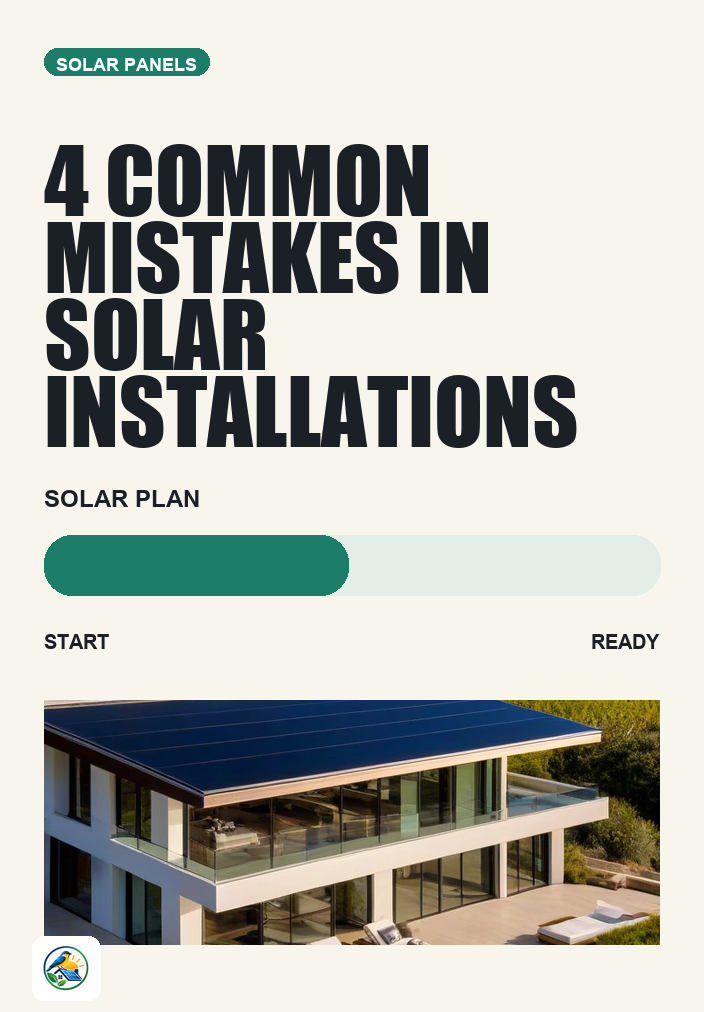
Understanding Ground Mounted Solar: The Basics for Beginners
If you’re a homeowner considering solar energy, you might be looking at various installation options, including ground-mounted solar systems. While they can offer significant benefits in certain situations, they also come with unique challenges. This guide will help you avoid common pitfalls and make informed decisions as you navigate the installation process.
Assessing Your Property for Ground Mounted Solar
Before diving into the installation process, assessing whether a ground-mounted solar system is suitable for your property is crucial. Unlike rooftop installations, ground-mounted systems require adequate space and specific site conditions. Here are key factors to consider:
- Space Availability: Ensure you have enough land to accommodate the solar panels. A typical residential ground-mounted system might need around 200 to 400 square feet, depending on your energy needs.
- Sun Exposure: Assess the sunlight your property receives throughout the day. Ideally, panels should be placed in areas with minimal shading from trees, buildings, or other obstructions.
- Soil Quality: Check if your soil can support the installation. Some systems may require concrete footings, depending on local regulations and soil stability.
- Access to Utilities: Consider how close your ground-mounted system will be to your home’s electrical panel. This proximity can affect installation complexity and costs.
Choosing the Right System Configuration
Ground-mounted solar systems come in various configurations, each with its advantages and drawbacks. Understanding these can help you select the best option for your needs:
Fixed Tilt Systems
These systems are mounted at a fixed angle, typically optimized for your location’s latitude. While easy to install and maintain, they may not capture sunlight as efficiently as adjustable systems throughout the year.
Adjustable Tilt Systems
These systems allow you to change the angle of the panels seasonally. While they can increase energy production, they require more maintenance and may involve higher upfront costs.
Tracking Systems
Solar trackers move the panels to follow the sun throughout the day, maximizing exposure. However, they are generally more expensive and may require more extensive maintenance.
Evaluate your energy needs, budget, and willingness to maintain the system when selecting a configuration.
Understanding Local Regulations and Permitting
Installing a ground-mounted solar system involves navigating local regulations and permitting processes, which can vary widely by location. Here are some steps to take:
- Check Local Zoning Laws: Some areas have restrictions on the height and placement of ground-mounted solar systems. Verify zoning regulations to avoid issues down the line.
- Obtain Necessary Permits: Most jurisdictions require permits for solar installations. Working with a qualified installer can streamline this process, as they are familiar with local requirements.
- Notify Your Utility Company: Interconnection agreements with your local utility may be necessary to ensure your system can connect to the grid. Understanding their requirements will help avoid delays.
Choosing the Right Installer
Selecting a qualified solar installer is one of the most critical steps in the process. Here are some tips to help you choose wisely:
- Experience and Reputation: Look for installers with extensive experience and positive reviews in solar installations, particularly ground-mounted systems.
- Licensing and Certifications: Ensure the installer is licensed and certified, which can vary by state. This guarantees they meet professional standards.
- Detailed Quotes: Request itemized quotes from multiple installers. This will help you compare costs and understand what is included in each proposal.
- Warranties and Support: Inquire about warranties for equipment and installation, as well as ongoing support post-installation.
Budgeting for Your Ground Mounted Solar Installation
Understanding the costs associated with a ground-mounted solar system is essential. While prices can vary significantly based on equipment, installation, and local incentives, consider the following budget components:
- Equipment Costs: Solar panels, inverters, and mounting systems contribute to the overall cost. Evaluate different options and their warranties.
- Installation Costs: Labor and installation fees can vary based on the complexity of the project and the terrain of your property.
- Permitting Fees: Don’t forget to budget for any necessary permits, which can add to your overall costs.
- Maintenance Costs: While solar systems typically require minimal maintenance, budgeting for occasional upkeep is wise.
Considering Energy Storage Options
Many homeowners choose to pair their ground-mounted solar systems with energy storage options, such as batteries. Here are some points to consider:
- Battery Backup: A battery can provide power during outages and store excess energy produced during the day for nighttime use. Evaluate the costs and benefits based on your energy needs.
- Off-Grid vs. Grid-Tied: Determine whether you want to remain connected to the grid or go off-grid entirely. Each option has unique implications for your energy independence and costs.
Next Steps: Moving Forward with Your Solar Journey
Installing a ground-mounted solar system can be a rewarding investment, but it requires careful planning and consideration. To ensure a smooth process:
- Assess your property for suitability and space requirements.
- Research local regulations and permitting requirements.
- Gather itemized quotes from multiple qualified installers.
- Consider your energy needs and whether you want to incorporate storage solutions.
By taking these steps, you can avoid common pitfalls and make informed decisions about your solar installation. Remember, consulting with professionals and verifying local regulations will help you navigate the complexities of going solar. Good luck on your solar journey!


















