
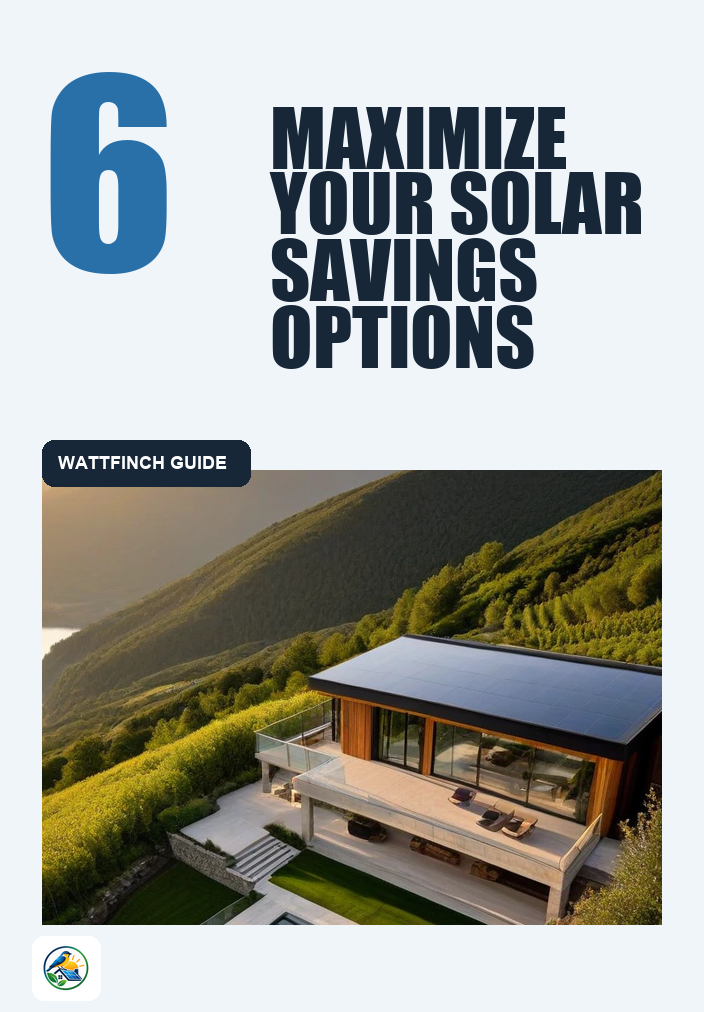
Understanding Solar Financing Options
As more U.S. homeowners consider the switch to solar energy, understanding the various financing options available is essential for maximizing savings. Each financing method comes with its own set of advantages and considerations. This article explores the diverse options for solar financing, helping you make an informed decision about whether a residential rooftop solar system — optionally with a home battery — fits your needs.
Common Solar Financing Options
When it comes to financing your solar installation, there are several common options available. Each option has its own trade-offs, and your choice will depend on your financial situation, energy goals, and property characteristics. Here are the primary financing methods:
- Cash Purchase: Paying for your solar system upfront eliminates monthly payments and interest, maximizing your savings over time. However, this requires significant capital upfront.
- Solar Loans: These loans allow you to finance the purchase of your solar system. You’ll make monthly payments, which can be lower than your current electricity bill, making it affordable. Be sure to check the interest rates and terms.
- Leasing: With a solar lease, you pay a fixed monthly amount to use the system without any upfront costs. However, you typically won’t qualify for tax incentives, and at the end of the lease, you may not own the system.
- Power Purchase Agreements (PPAs): Similar to leasing, a PPA allows you to pay for the energy produced by the solar system rather than the system itself. This is often priced lower than local utility rates, but ownership of the system remains with the installer.
Evaluating Your Financing Options
Before deciding on one of these financing methods, consider the following factors:
1. Upfront Costs and Monthly Payments
Assess your budget to determine how much you can afford upfront versus in monthly payments. A cash purchase will save you money in the long run but requires more immediate capital. Loans, leases, and PPAs can spread costs over time.
2. Tax Incentives and Rebates
Federal and state incentives can significantly reduce the cost of solar installations. However, these incentives often require you to own the system to benefit. Verify current local incentives, as they can vary widely based on state laws and utility policies.
3. Energy Consumption and Savings
Your energy consumption patterns will influence your choice. If you use a significant amount of electricity, you’ll want to ensure your system can produce enough energy to offset your usage. A professional installer can help size your system correctly and provide a detailed estimate of potential savings.
4. Long-Term Goals
Think about your long-term plans for your home. If you plan to move in a few years, leasing or a PPA might be more suitable. If you intend to stay long-term, a cash purchase or loan could offer better savings over time.
5. Roof Condition and Suitability
Your roof’s condition, age, and orientation will affect your solar system’s efficiency. Shade from trees or nearby buildings can also impact energy production. A professional assessment can determine if your roof is suitable for solar and whether any upgrades are necessary.
Comparing Costs and Terms
When evaluating financing options, it’s crucial to compare the costs and terms of each option. Here’s a simple checklist to guide your comparison:
- Request itemized quotes from multiple qualified solar installers.
- Compare the total cost of each option, including installation, equipment, and financing costs.
- Examine the interest rates and terms for loans, leases, and PPAs.
- Look for any hidden fees or costs associated with maintenance or early termination of leases or PPAs.
- Evaluate the expected lifespan of your solar system and any warranties provided.
The Role of Home Batteries
Adding a home battery to your solar system can enhance its benefits, particularly in areas prone to outages or for homeowners looking to maximize savings. However, battery systems can add substantial upfront costs. Consider the following:
- Energy Independence: Batteries allow you to store excess energy produced during the day for use at night, reducing reliance on the grid.
- Backup Power: In the event of a power outage, batteries can provide a reliable source of energy.
- Increased Costs: Battery systems can increase initial investment and may not provide a quick return on investment compared to solar alone.
Potential Drawbacks and Considerations
While solar energy can be a viable solution for many homeowners, it’s essential to be aware of potential drawbacks:
- The upfront costs can be significant, especially for cash purchases.
- Financing options may include interest rates, making overall costs higher.
- Not all roofs are suitable for solar installations due to orientation, shade, or structural issues.
- Permitting and interconnection processes can vary by location and may delay installation.
- Utility policies regarding net metering and interconnections can impact potential savings.
Next Steps for Homeowners
As you explore solar financing options, take the following steps to ensure you make an informed decision:
- Research the current incentives and financing options available in your area.
- Assess your energy consumption and consider your long-term plans for your home.
- Consult with multiple qualified solar installers to obtain itemized quotes.
- Compare the total costs, financing terms, and potential savings from each option.
- Consider the addition of a home battery and its implications for your overall investment.
By carefully evaluating your options and consulting with professionals, you can find a solar financing solution that maximizes your savings while meeting your energy needs.


















