
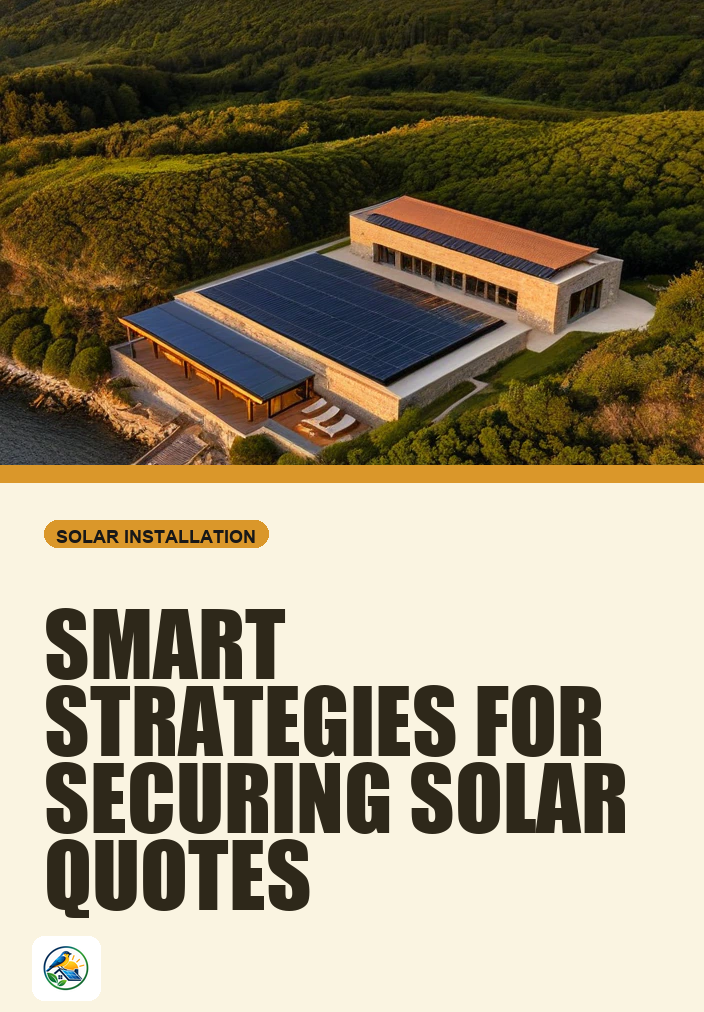
Understanding Solar Quotes: Why You Need Multiple Estimates
As more homeowners consider the shift to solar energy, obtaining multiple quotes has become an essential step in the process. Solar installations can vary significantly in price, equipment, and service offerings. Getting multiple quotes helps ensure that you’re not overpaying and that you fully understand the options available for your specific situation.
Your Essential Checklist for Gathering Solar Quotes
To navigate the solar quote process effectively, follow this checklist. It will help you gather the necessary information to compare quotes fairly and make an informed decision.
1. Define Your Solar Goals
Before reaching out to installers, clarify what you want from a solar system. Consider the following:
- Are you looking for a grid-tied system, battery backup, or an off-grid solution?
- Do you want to maximize energy savings, increase energy independence, or achieve sustainability goals?
- Are you considering future energy needs, such as electric vehicle charging?
2. Assess Your Home’s Solar Potential
Not every home is suitable for solar. Evaluate your roof and property characteristics:
- Roof Condition: Ensure your roof is in good condition and can support solar panels.
- Shade Analysis: Identify any trees or structures that may obstruct sunlight.
- Orientation: South-facing roofs typically capture more sunlight, but east and west can also be effective.
- Space Availability: Ensure you have enough space for the number of panels needed to meet your goals.
3. Research Local Incentives and Regulations
Incentives for solar installations can vary widely depending on where you live. Research the following:
- State and Federal Incentives: Check for tax credits, rebates, or other financial incentives that may apply.
- Net Metering Policies: Understand how your utility company compensates for excess energy produced.
- Permitting Requirements: Familiarize yourself with local regulations and permitting processes.
4. Identify Qualified Installers
Finding reputable solar installers is crucial. Look for:
- Licensing and Insurance: Ensure each installer is licensed and carries appropriate insurance.
- Experience and Reviews: Check customer reviews and ask about their experience with similar installations.
- Warranties: Inquire about warranties on both equipment and installation services.
5. Request Detailed Quotes
When requesting quotes, ask for detailed breakdowns that include:
- System Size: The total capacity of the solar system (measured in kilowatts).
- Equipment Details: Information on the panels, inverters, and any other components.
- Installation Costs: Labor costs, permitting fees, and any other charges.
- Estimated Production: How much energy the system is expected to generate.
- Financing Options: Available financing plans, including loans, leases, or power purchase agreements (PPAs).
6. Compare Solar Quotes
Once you have multiple quotes, take time to compare them. Consider the following:
- Cost per Watt: Divide the total system cost by the system size to get a cost-per-watt figure.
- Equipment Quality: Are the components from reputable manufacturers?
- Installation Experience: Does the installer have a proven track record for similar projects?
- Service and Support: Will the installer provide ongoing maintenance and support?
7. Ask Questions
Don’t hesitate to reach out to installers with any questions or concerns. Here are some queries you might consider:
- What happens if my energy needs change in the future?
- How do you handle warranties and service issues?
- Can you provide references from past clients?
8. Evaluate Financing Options
Financing can significantly impact your overall investment in solar. Consider the following:
- Upfront Costs: Understand how much you will need to pay initially.
- Long-Term Savings: Evaluate the long-term savings versus the cost of financing.
- Monthly Payments: If financing, check what your monthly payments will look like.
9. Understand the Trade-Offs
Every solar installation comes with trade-offs. Common considerations include:
- Battery Storage: While batteries offer energy independence, they can add significant costs.
- Installation Timing: Weather and permit approval can affect how soon your system can be operational.
- Utility Interconnection: Some utilities have specific requirements that can delay installations.
Next Steps: Making Your Decision
After reviewing and comparing your solar quotes, it’s time to make a decision. Choose an installer who meets your needs and offers a fair price for quality work. Be sure to double-check that any incentives or rebates remain applicable and verify all details with local authorities and utility companies.
As you embark on this journey, remember that the right solar solution can provide benefits tailored to your home and energy needs. Taking the time to do thorough research will help ensure you don’t overpay and that you enjoy the full benefits of your investment.


















