
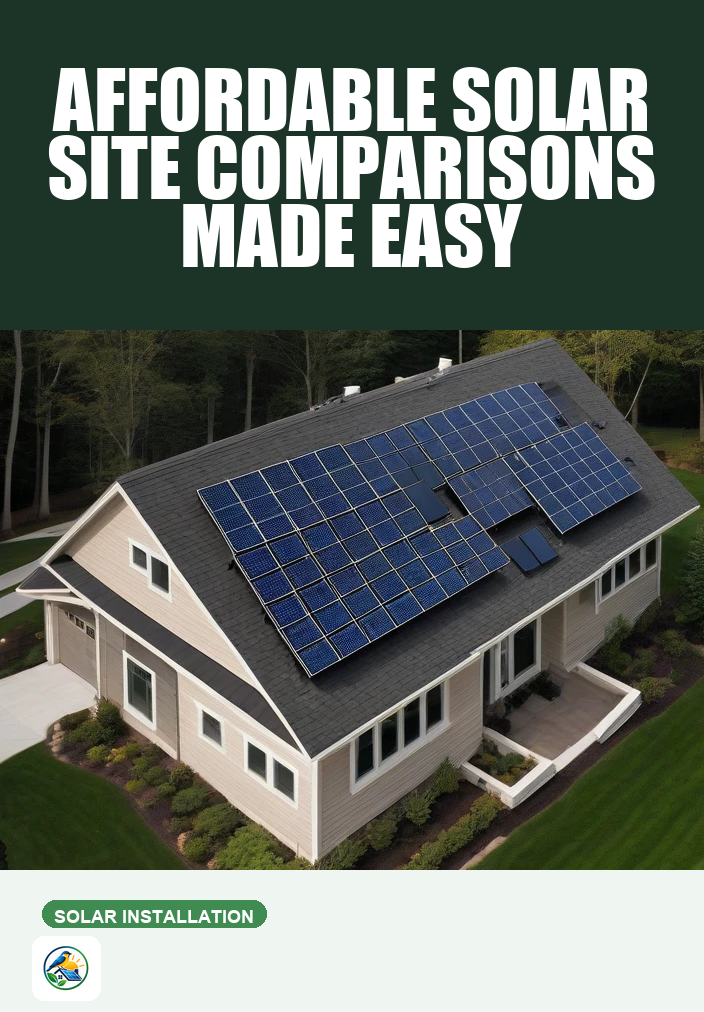
Understanding Solar Site Surveys: A Cost-Effective Approach
As a homeowner considering a solar installation, you may have come across the term “solar site survey.” This crucial step helps determine the feasibility of installing a solar energy system on your property. However, analyzing multiple site surveys can sometimes feel overwhelming, especially when trying to avoid breaking the bank. In this article, we’ll guide you through the process of comparing solar site surveys without straining your budget, ensuring you make an informed decision that suits your home’s unique characteristics.
What Is a Solar Site Survey?
A solar site survey is an evaluation of your property conducted by a professional installer to assess its solar energy potential. This survey typically involves:
- Evaluating roof condition and structure
- Measuring available sunlight and shade
- Assessing the electrical system of your home
- Identifying local regulations and permitting requirements
- Determining the best solar panel placement and system design
The outcome of a site survey will guide you in understanding how much solar energy you can generate and what kind of system will work best for your home.
Why Get Multiple Quotes?
Requesting multiple site surveys is an essential part of the decision-making process. Here’s why:
- Comparative Analysis: Different installers may have varying approaches, equipment recommendations, and pricing structures. By comparing quotes, you can identify the most suitable option for your needs.
- Understanding Scope and Services: Not all solar companies provide the same level of detail in their surveys. Some may include additional services, such as energy efficiency assessments or post-installation support.
- Negotiation Leverage: Having multiple quotes can give you leverage when negotiating prices or services with your chosen installer.
Key Considerations When Comparing Solar Site Surveys
When evaluating multiple solar site surveys, there are several factors to consider that can help you make an informed decision:
1. Roof Condition and Structure
Your roof’s condition is paramount when considering solar installation. A survey should detail any repairs needed to support a solar system. If your roof is nearing the end of its lifespan, it might be more cost-effective to replace it before installing solar panels.
2. Sunlight Exposure and Shade Analysis
Different areas of your roof may receive varying levels of sunlight. A comprehensive survey should include a shade analysis to identify potential obstructions, such as trees or nearby structures. This information is crucial for maximizing energy production and optimizing the system design.
3. System Design and Equipment Recommendations
Quotes should specify the type of solar panels and inverters to be used. While higher-efficiency panels may come with a higher price tag, they can produce more energy in the same amount of space. Be sure to ask how the recommended equipment aligns with your energy needs.
4. Electrical System Compatibility
Evaluate whether your current electrical system can support a solar installation. Some homes may require upgrades to accommodate solar energy. Your installer should provide insights into any necessary electrical work and associated costs.
5. Local Regulations and Permitting
Different regions have varying permitting processes and regulations regarding solar installations. Make sure your quotes include information on how the installer plans to navigate these requirements. Understanding local policies can prevent unexpected delays and costs.
6. Financing Options and Total Costs
When comparing quotes, pay close attention to the total cost breakdown, including equipment, installation, and any additional fees. Some installers may offer financing options that can make solar more accessible. Ensure you understand the terms and conditions of any financing agreements.
Trade-offs and Considerations for Homeowners
While solar energy can offer numerous benefits, it’s essential to consider the trade-offs involved:
- Initial Costs: Solar installation can require a significant upfront investment. It’s essential to weigh the long-term savings against these initial costs.
- Roof Orientation: South-facing roofs typically provide the best solar production. If your roof faces east or west, energy production may be lower, impacting the overall efficiency of your system.
- Shade and Weather: Areas with frequent shade or adverse weather conditions can limit energy production. Consider how local weather patterns may affect your system’s performance.
- Battery Backup: If you are interested in battery storage, consider how that could affect your overall costs and energy independence.
Next Steps: Making Your Decision
After gathering and comparing multiple solar site surveys, you’ll be better equipped to make an informed decision. Here are some practical next steps:
- Review itemized quotes, focusing on the details of system design, equipment, and total costs.
- Ask potential installers clarifying questions about their recommendations and any concerns you have.
- Verify any local incentives, tax credits, and financing options that may be available in your area.
- Consider scheduling a follow-up visit to discuss any adjustments based on your needs.
Comparing solar site surveys without breaking the bank is achievable with careful consideration and research. By focusing on key elements of each quote and understanding the unique needs of your home, you can confidently choose the right solar solution for your energy goals.


















