
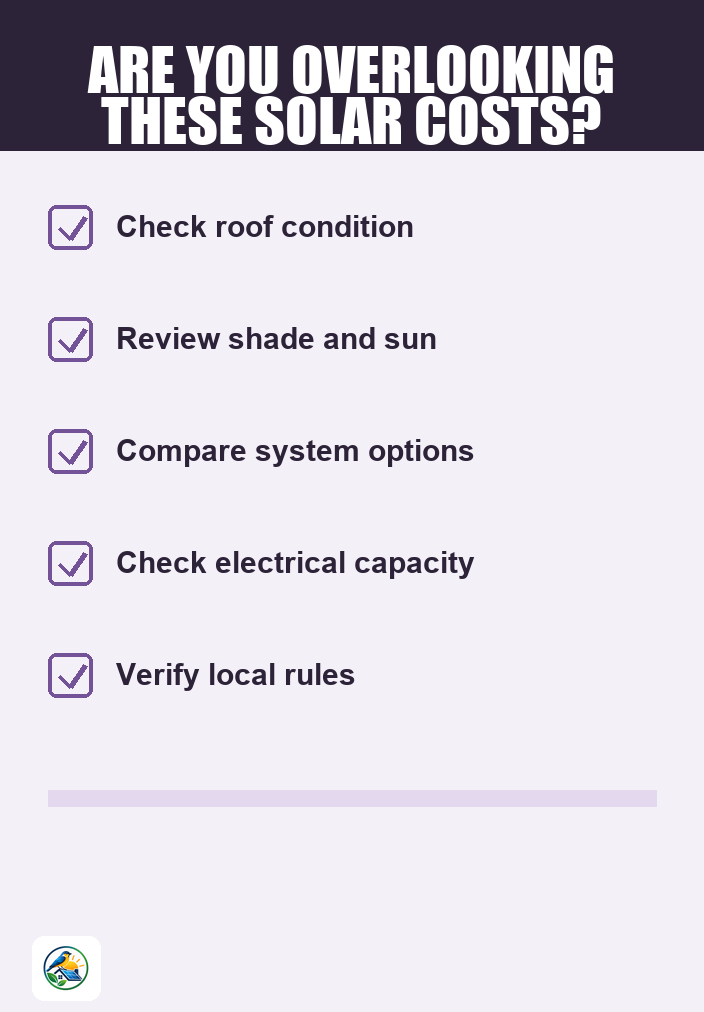
Understanding the Importance of Electrical Upgrades for Your Solar Installation
As a U.S. homeowner contemplating a rooftop solar installation, you may be focused on the immediate benefits of renewable energy, such as reducing your electricity bills and contributing to a more sustainable environment. However, one critical aspect that often goes overlooked is the condition of your home’s electrical system. Upgrading your electrical infrastructure can prevent costly surprises down the road and ensure a smooth solar installation process. This article will guide you through essential electrical upgrades to consider before moving forward with solar.
Evaluating Your Electrical System
Before installing solar panels, it’s crucial to assess the state of your existing electrical system. A professional electrician can help you evaluate:
- Panel Capacity: Determine if your current electrical panel can handle the additional load from solar energy and potential battery storage.
- Wiring Condition: Old or damaged wiring may need replacement to safely accommodate a solar setup.
- Breaker Compatibility: Ensure that your breakers are compatible with the new system.
Understanding these components will help you identify whether your electrical system can support a solar installation or if upgrades are necessary.
Common Electrical Upgrades to Consider
Once you’ve evaluated your electrical system, you may need to consider several upgrades to ensure compatibility with your new solar installation:
1. Upgrading Your Electrical Panel
Your electrical panel, the heart of your home’s electrical system, may need an upgrade to accommodate solar energy. If your panel is outdated or has a low amperage rating, you might encounter issues such as:
- Inability to handle the increased energy load
- Frequent tripping of breakers
- Incompatibility with modern solar inverters
Upgrading to a higher-capacity panel can help you avoid these issues and allow for future expansions, such as adding battery storage.
2. Wiring and Circuit Upgrades
Older homes may have wiring systems that do not meet current safety standards or are inadequate for the additional load from solar panels. Consider the following:
- Conductors: Ensure that wires are rated for the amperage needed. Copper wiring is often preferred for its conductivity and safety.
- Grounding Systems: Check that your grounding system is in place and meets code requirements. Proper grounding is essential for safety, especially with solar installations.
Consulting with a licensed electrician can help you determine whether your wiring needs an upgrade before installation.
3. Installing a Smart Meter
Smart meters allow for real-time tracking of your energy consumption and generation, which can be particularly beneficial for solar users. If your home lacks a smart meter, consider discussing installation options with your utility provider. Benefits include:
- Accurate net metering calculations
- Ability to monitor energy usage and production
- Potential for dynamic pricing adjustments
Having a smart meter can enhance your solar experience and help you make more informed energy decisions.
4. Battery Backup Systems
If you’re considering solar with battery storage, ensure your electrical system can support the additional load. Battery systems require their own circuit and may necessitate further upgrades to your panel or wiring. Key considerations include:
- Space for the battery system within your electrical panel
- Compatibility with your chosen inverter
- Proper ventilation and safety measures
Battery installations can enhance energy independence but may require careful planning and professional assessment.
Permitting and Utility Regulations
Before any electrical upgrades or solar installations, familiarize yourself with local permitting and utility regulations. Each municipality or utility provider may have different requirements that can impact your project timeline and costs. Key points to consider include:
- Permitting processes for electrical upgrades
- Interconnection standards for solar installations
- Utility-specific guidelines for net metering
Engaging with local authorities early in the process can save you time and prevent unexpected delays.
Working with Professional Installers
When evaluating your solar options, collaborating with experienced installers is essential. A reputable solar installer can help assess your electrical needs, provide an itemized quote for both solar and necessary upgrades, and guide you through the permitting process. Here are some steps to take:
- Get Multiple Quotes: Request itemized quotes from at least three qualified installers to compare costs and services.
- Ask About Upgrades: Inquire about any necessary electrical upgrades outlined in their proposal and the associated costs.
- Verify Credentials: Ensure that the installers are licensed, insured, and have positive reviews from previous clients.
Comparing quotes will give you a clearer picture of the total investment required for both the solar installation and potential electrical upgrades.
Next Steps for Homeowners
Moving forward with a solar installation involves careful planning, especially regarding your electrical system. Begin by assessing your current electrical setup and considering necessary upgrades. Consult with licensed electricians and qualified solar installers to gather detailed information and itemized quotes. Remember, staying informed and proactive can prevent costly surprises and help you achieve a successful solar transition.


















