
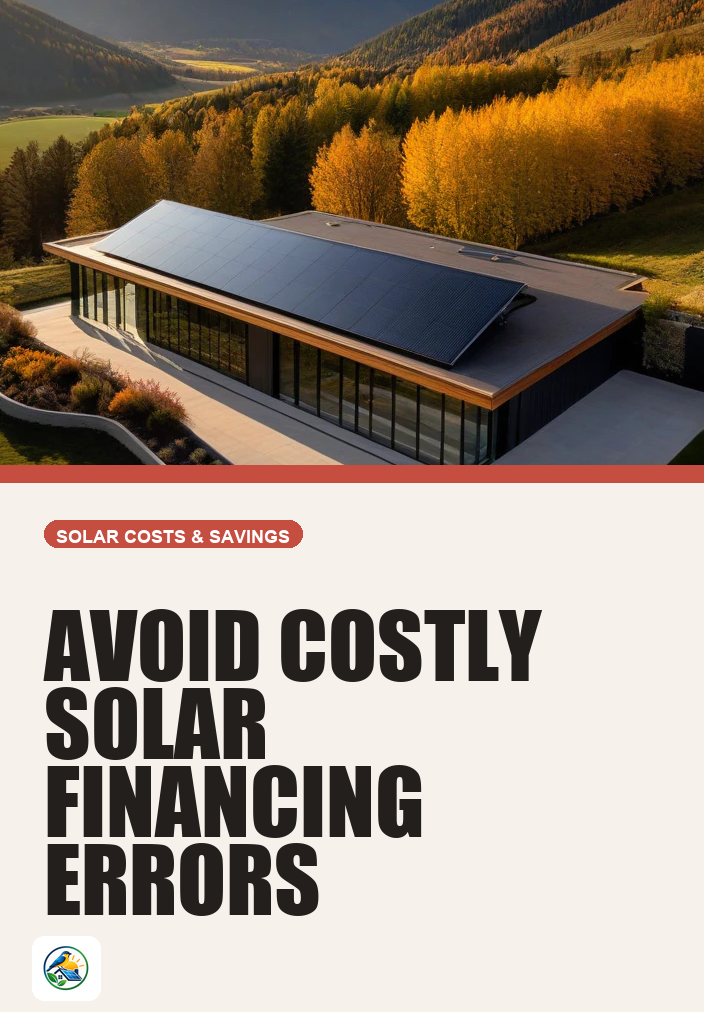
Understanding Cash vs. Solar Loans: Common Pitfalls for Homeowners
Choosing to finance a solar power system can be one of the most significant financial decisions a homeowner makes. With the increasing popularity of renewable energy, many are weighing the benefits of cash purchases against solar loans. However, numerous mistakes can arise during this decision-making process. Understanding the key differences between these financing options and recognizing common pitfalls can empower homeowners to make informed choices that suit their unique situations.
Key Differences: Cash Purchases vs. Solar Loans
Before diving into the common mistakes, it’s crucial to understand the fundamental differences between cash purchases and solar loans.
- Cash Purchases: Paying upfront for a solar system allows homeowners to avoid any financing costs. This option often leads to immediate benefits since homeowners own their solar systems outright and can take advantage of incentives and savings without any debt.
- Solar Loans: These loans enable homeowners to finance their solar installations, making it accessible for those who may not have the full amount upfront. While this option allows for lower initial payments, it also involves monthly obligations and interest costs.
Common Mistakes Homeowners Make When Choosing Financing
1. Underestimating the Total Cost of Solar Loans
A common mistake is not fully understanding the total cost associated with solar loans. Homeowners often focus on the monthly payment rather than the overall financial commitment. Interest rates, loan terms, and potential fees can significantly impact the total amount paid over time.
Before committing to a loan, consider the following:
- Review the interest rate and how it affects the overall cost.
- Examine the loan term—longer terms may mean lower monthly payments but can result in higher total interest paid.
- Account for any potential fees associated with the loan.
2. Ignoring the Importance of Credit Scores
Homeowners often overlook the impact of their credit scores on financing options. A better credit score can lead to lower interest rates on solar loans, while a lower score may restrict financing options or lead to higher costs.
Before applying for financing, check your credit score and consider taking steps to improve it. This might include paying down existing debts or ensuring that all bills are paid on time.
3. Failing to Compare Multiple Quotes
Many homeowners settle for the first quote they receive, believing it to be the best option. However, financing terms can vary widely between lenders and solar installers. Failing to compare multiple quotes can lead to missed opportunities for better financing options.
When comparing quotes, look for:
- Different loan terms and interest rates.
- Fees associated with each loan.
- Incentives or rebates applicable to each financing option.
4. Not Considering Installation and Maintenance Costs
Homeowners sometimes focus solely on the cost of the solar system itself and neglect the installation and ongoing maintenance costs. It’s essential to factor these expenses into the total budget, as they can impact overall financial health.
Before making a decision, consider the following:
- Installation costs can vary depending on roof type, size, and any necessary electrical upgrades.
- Maintenance costs, while generally low for solar systems, should still be budgeted for periodic checks and potential repairs.
5. Overlooking Local Utility Policies and Incentives
Utility policies regarding net metering and available incentives can vary significantly by location. Some homeowners may assume that a solar system will automatically lead to savings without verifying how local rules might affect their financial outcomes.
Before finalizing any financing option, do your research on:
- Local incentives or rebates for solar installations.
- Net metering policies that allow you to receive credits for excess energy produced.
- Any utility-specific requirements for interconnection.
6. Neglecting Future Plans
Many homeowners don’t consider their long-term plans when deciding on solar financing. Changes such as moving, remodeling, or altering energy needs can impact the viability of your solar investment.
When evaluating financing options, ask yourself:
- How long do you plan to stay in your current home?
- Are you considering significant renovations that might affect your energy needs?
- What happens if you need to sell your home before the loan is paid off?
7. Assuming Solar Is Suitable for Every Home
Solar energy may not be the right fit for every home. Factors such as roof condition, orientation, and shading can significantly impact the system’s effectiveness. Homeowners sometimes rush into financing without adequately assessing their property’s suitability.
Before proceeding, consider having a professional installer evaluate your home for:
- Roof condition and age.
- Orientation and pitch of the roof.
- Shading from trees or nearby structures.
Next Steps: Making an Informed Decision
Choosing between cash and solar loans requires careful consideration of various factors. To ensure you make the best decision for your situation, take the time to compare itemized quotes from qualified installers. This will provide a clearer picture of costs, financing options, and potential savings.
Ultimately, being informed and aware of common pitfalls can lead to a more successful solar investment. Take the time to review your options, and consult with professionals who can help guide you based on your unique circumstances.


















