
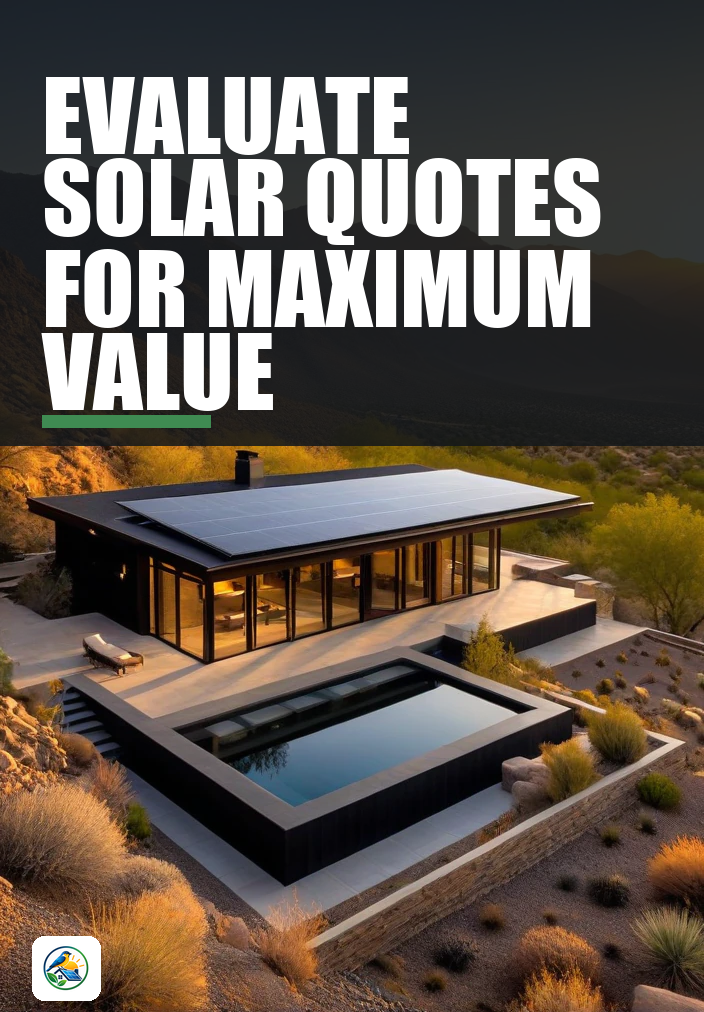
Understanding Your Solar Installation Quotes
When considering the transition to solar energy, obtaining multiple installation quotes is a critical step. However, not all quotes are created equal. To truly maximize the value of your investment, it’s essential to know what to look for in the proposals you receive. This checklist will guide you through the evaluation process, ensuring you choose the best option for your home and energy needs.
Key Components of Solar Quotes
When you receive a quote for a solar installation, it should be comprehensive and transparent. Here are the main components you should check:
- System Size and Design: Look for the total wattage offered and how many panels are included. The quote should specify how the system is designed to meet your energy needs.
- Equipment Specifications: Check the types of panels and inverters being proposed. Are they reputable brands? What are their warranties? Pay attention to the efficiency ratings and durability.
- Installation Costs: This includes labor, permits, and any additional fees. Ensure that the quoted price reflects a complete installation without hidden costs.
- Financing Options: Examine the payment structures available. Are there options for cash purchases, loans, or leases? Understand the terms and interest rates, if applicable.
- Incentives and Rebates: Verify any local, state, or federal incentives included in the quote. Remember that these can vary widely, so confirm their applicability.
- Timeline: Look for estimated timelines for installation and activation. This will help you plan accordingly.
Comparing Quotes: A Detailed Approach
Once you have a few quotes in hand, it’s time to compare them. Here are some steps to help you in the comparison process:
1. Itemization is Key
Request itemized quotes if they are not provided. An itemized quote breaks down each component of the installation, allowing you to see what you’re paying for. Look for:
- The cost of each solar panel and inverter
- Labor costs
- Permit and inspection fees
- Any additional costs like monitoring systems or maintenance packages
2. Evaluate System Performance Estimates
Each quote should provide an estimate of the system’s energy production. Look for:
- Estimated annual energy output in kilowatt-hours (kWh)
- How the estimates were calculated (e.g., using local solar insolation data)
- Considerations for potential shading or roof orientation
3. Assess Warranty and Support
Warranties can tell you a lot about the quality of the products and the reliability of the installer. Check for:
- Panel warranty (typically 25 years for performance)
- Inverter warranty (5-12 years is common)
- Installation workmanship warranty (often 1-10 years)
4. Look for Reviews and References
Research the installers’ reputations. Look for:
- Online reviews and ratings on trusted platforms
- Recommendations from friends or family who have gone solar
- References from the installer that you can contact
5. Understand the Financing Terms
If financing is offered, make sure to understand:
- The total cost of financing over the term
- Any fees associated with financing
- Prepayment penalties or flexibility in payments
Considerations for Your Home and Energy Needs
Your home’s specific characteristics play a significant role in the effectiveness of a solar installation. Here are some factors to consider:
- Roof Condition: Ensure your roof is in good condition and can support the weight of solar panels. You may need repairs or even a replacement before installation.
- Roof Orientation and Shade: South-facing roofs typically yield the best results. Consider any trees or buildings that may cast shade on your panels.
- Electrical System Compatibility: Your current electrical system may require upgrades to accommodate solar. This can add to the overall cost.
- Future Energy Needs: Think about potential changes in your energy consumption, such as adding electric vehicles or home expansions.
Understanding Different Solar Systems
Not all solar systems are the same. You may also want to consider whether you need a battery backup system, grid-tied system, or an off-grid solution. Here’s a brief overview:
- Grid-Tied Systems: These are the most common and connect to the utility grid, allowing for net metering. They do not provide power during outages unless paired with battery storage.
- Battery Backup Systems: These systems store energy for later use, providing power during outages but generally at a higher upfront cost.
- Off-Grid Systems: Designed for complete independence from the grid, these systems require larger battery banks and careful energy management.
Next Steps: Making Your Decision
After carefully evaluating your quotes using this checklist, the next steps are straightforward:
- Compare the itemized costs and benefits of each proposal.
- Consult with qualified installers to clarify any questions about the quotes and their terms.
- Verify the current local incentives and financing options with your installer or local government.
- Consider the long-term implications of your decision, including maintenance and potential upgrades.
Taking the time to evaluate your solar installation quotes thoroughly will help you make an informed decision that aligns with your home’s needs and your budget. Transitioning to solar energy can be a significant investment, so ensure you maximize its value.


















