
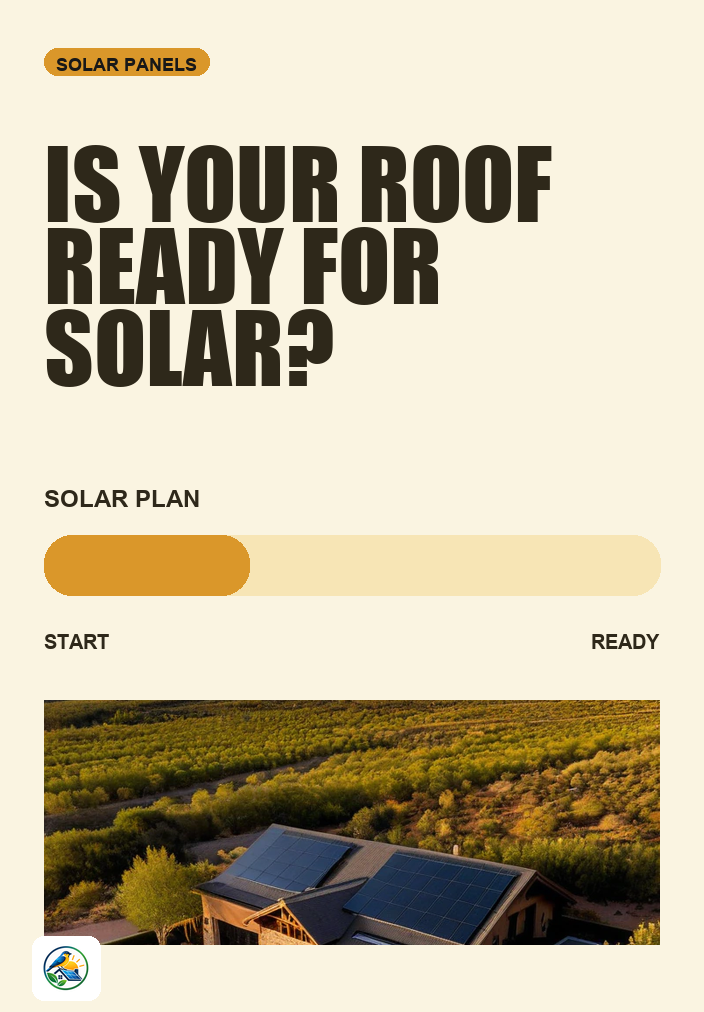
Understanding the Best Timing for Solar Panel Installation on Shingle Roofs
As a U.S. homeowner contemplating the installation of solar panels on your shingle roof, it’s essential to consider not just the benefits of solar energy but also the timing of your installation. The right moment can significantly impact your project’s feasibility, efficiency, and overall satisfaction. In this article, we’ll explore various factors to help you decide the ideal time to install solar panels on your home.
Key Considerations for Timing Your Solar Installation
When deciding when to install solar panels, several critical factors come into play. These include your roof’s condition, local climate, available incentives, and personal circumstances. Let’s break these down further.
1. Roof Condition and Preparation
Your roof’s condition is paramount. Before you install solar panels, ensure that your roof is in good shape. If your shingles are nearing the end of their lifespan or showing signs of damage, it may be wise to replace or repair the roof before installation. This proactive approach can save you the hassle and expense of removing and reinstalling panels later.
- Check for missing or damaged shingles.
- Inspect for leaks or structural issues.
- Consider the age of your roof; roofs typically last 20-30 years.
If repairs or replacements are necessary, it’s best to complete these tasks before planning your solar installation.
2. Local Climate and Seasonal Considerations
Weather patterns and seasonal changes can affect the timing of your solar panel installation. Understanding your local climate is crucial:
- Sunshine Availability: Installations are optimal in sunnier months when days are longer, providing more sunlight for energy production.
- Weather Conditions: Avoid installing during extreme weather, such as heavy rain, snow, or high winds, which can complicate the installation process.
- Seasonal Demand: Some areas experience higher demand for solar installations in spring and summer, potentially affecting availability and scheduling with installers.
In many regions, late spring to early fall is the most favorable window for installation, but it varies by location.
3. Financial Incentives and Utility Policies
Financial incentives can significantly influence your decision on when to install solar panels. Federal, state, and local incentives may change over time, impacting overall project costs. Here are some points to consider:
- Tax Credits: Federal tax credits, state incentives, and local rebates can make installation more affordable. Research current incentives and verify their availability, as they may have expiration dates or eligibility requirements.
- Utility Policies: Understand your utility’s net metering policies. Some utilities may offer better rates or incentives during specific times of the year.
Consult with qualified installers about available incentives in your area and plan your installation accordingly to take advantage of these benefits.
4. Personal Circumstances and Future Plans
Your personal situation can also dictate the timing of your solar panel installation. Consider the following:
- Financial Readiness: Ensure that you are financially prepared for the upfront costs associated with solar installation, whether through savings, financing, or loans.
- Home Plans: If you plan to move or renovate your home in the near future, weigh the benefits of installing solar panels now versus waiting until your plans are finalized.
- Energy Needs: Consider any significant changes in your household energy consumption, such as the addition of electric vehicles or new appliances.
Installation Process Overview
Once you’ve decided on the timing, it’s important to understand the installation process. Here’s a high-level overview of what to expect:
- Consultation: Schedule an assessment with a professional installer who can evaluate your home’s solar potential.
- Design and Proposal: Review design options and receive a detailed proposal, including costs and timelines.
- Permitting: Your installer will handle the necessary permits and approvals from local authorities.
- Installation: Once permitted, the installation will take place, typically over a few days.
- Inspection and Interconnection: After installation, a final inspection will occur, followed by interconnection with your utility.
Evaluating Quotes and Choosing an Installer
When considering solar, it’s advisable to compare itemized quotes from multiple qualified installers. Here’s what to look for:
- Detailed breakdown of costs, including equipment, labor, and any additional fees.
- Warranties offered on both the panels and installation services.
- Incentives and financing options available through the installer.
- Experience and customer reviews of the installer.
By gathering multiple quotes, you can make a more informed decision on the best solar solution for your home.
Next Steps
Choosing the right time to install solar panels on your shingle roof involves weighing multiple factors, including roof condition, local climate, financial incentives, and your personal circumstances. By understanding these aspects, you can better navigate your solar journey.
As you move forward, consider reaching out to qualified solar installers for itemized quotes and consultations. They can provide tailored insights based on your unique situation and help you make the best decision for your home.


















