Understanding Arizona’s Solar Installation Cost Landscape
When considering solar energy for your home, the first thought often revolves around costs. In Arizona, you might be surprised at how competitive the installation prices can be. Various factors influence this pricing, making it essential for homeowners to navigate through them carefully. In this article, we will explore why the costs for solar installation in Arizona may be lower than expected and what that means for you as a homeowner.
Current Market Environment
The Arizona solar market has matured significantly over the past decade. As more homeowners adopt solar technology, competition among installers has increased, leading to lower prices. Additionally, advances in technology and manufacturing have reduced the costs of solar panels and components, contributing to overall savings.
The Role of State Incentives
Arizona offers various incentives that can lower the upfront costs of solar installations. While the specifics can vary, many homeowners can benefit from state tax credits or rebates. However, it’s crucial to verify current availability, as these incentives can change frequently. Remember, what applies to one homeowner may not apply to another, so check with local resources for the most accurate information.
Understanding System Types and Costs
When exploring solar options, it’s important to understand the different types of systems available. The three primary configurations include grid-tied systems, battery backup systems, and off-grid systems. Each has its own cost structure and suitability depending on your specific situation.
Grid-Tied Systems
Most homeowners in Arizona opt for grid-tied solar systems, which connect directly to the utility grid. This setup allows you to draw power from the grid when your solar production is low and send excess energy back to the grid when production is high. These systems tend to be less expensive than those with battery storage since they require fewer components. However, they do not provide power during outages unless paired with a backup solution.
Battery Backup Systems
Battery backup systems add another layer of complexity and cost. While they can provide power during outages, they come with an additional price tag due to the batteries themselves and the installation process. Homeowners should weigh the benefits of energy independence against the increased cost. If your area experiences frequent outages or you have specific energy needs, a battery backup may be worth considering.
Off-Grid Systems
Off-grid systems are designed for homes that are not connected to the utility grid. These systems tend to be the most expensive due to the need for larger battery storage and additional components. While they offer complete energy independence, they may not be feasible for every homeowner, especially those looking for a more cost-effective solution.
Factors Influencing Installation Costs
Several elements can affect the total cost of solar installation in Arizona:
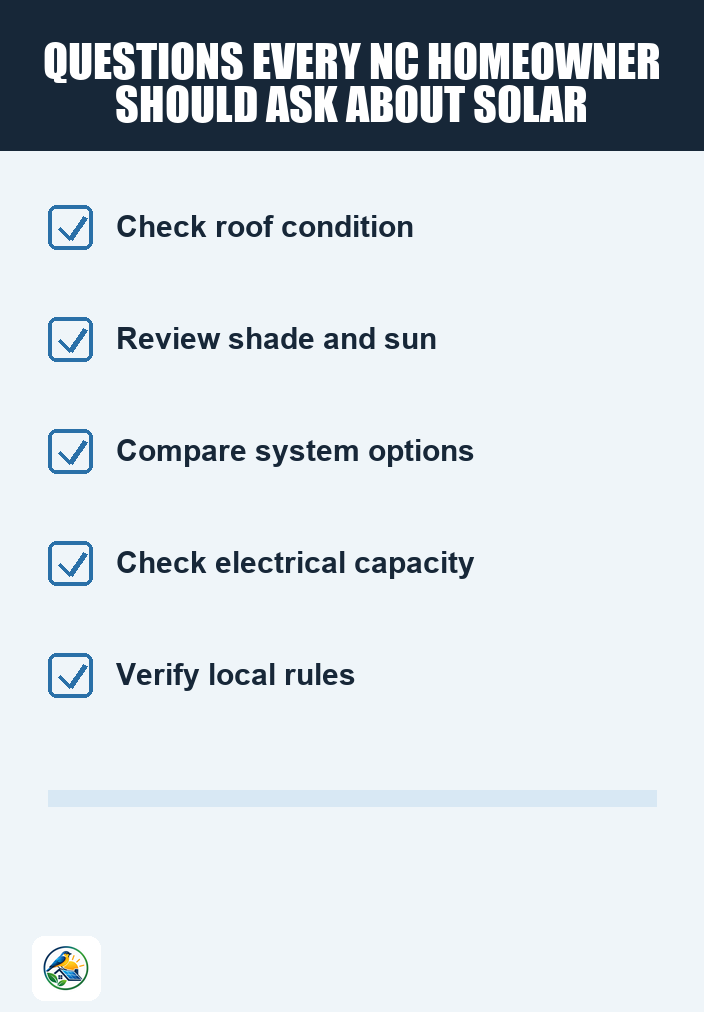
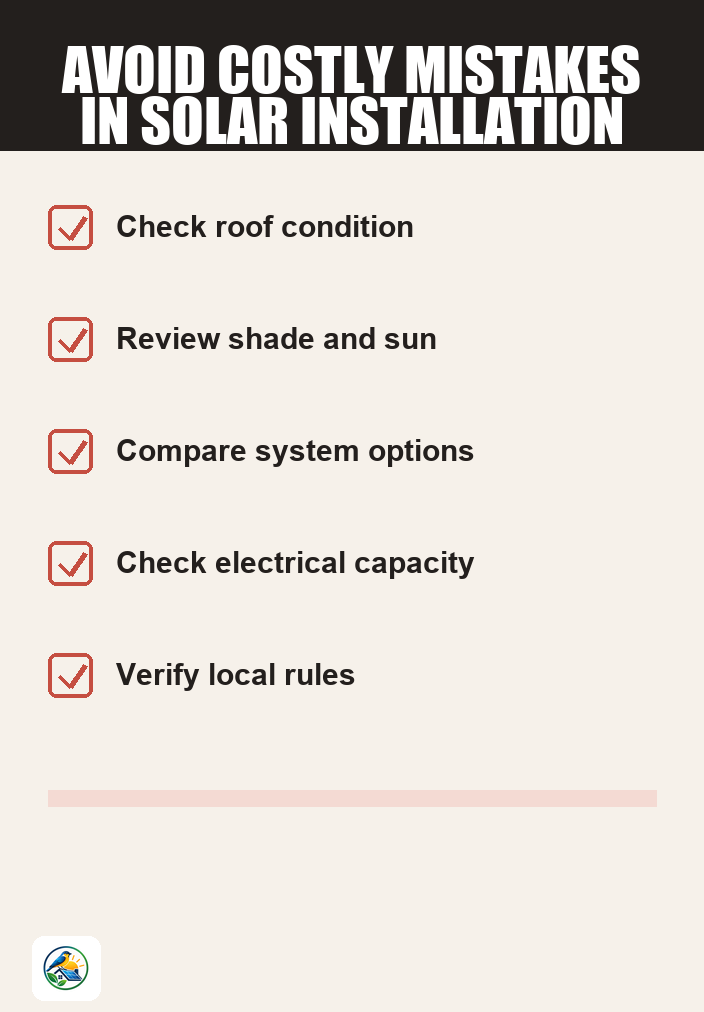
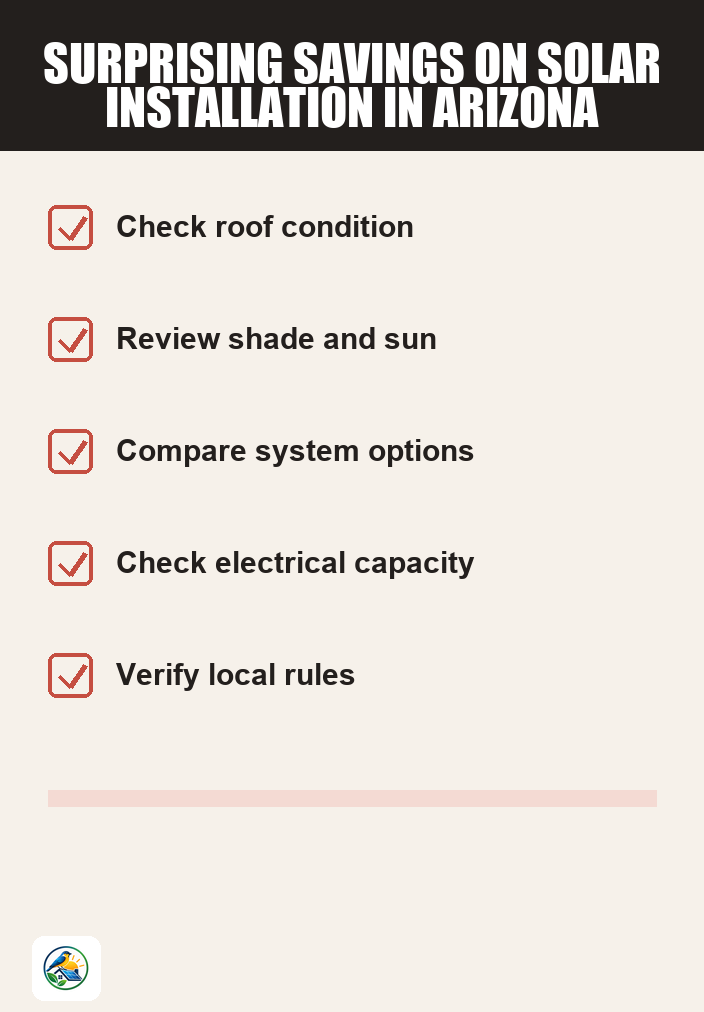
- Roof Condition: A roof in poor condition may require repairs or even replacement before installation, adding to costs.
- Shade and Orientation: Homes with shaded roofs or poor orientation may need more panels to achieve desired energy production, increasing overall costs.
- Electrical Upgrades: Older electrical systems may require upgrades to handle solar power, which can add to the installation expense.
- Financing Options: The method of financing can impact the overall cost. Understanding interest rates and payment terms is crucial.
- Permitting and Utility Rules: Local regulations and permitting processes can add time and expenses to your project.
- Installer Policies: Different installers may have varying policies and pricing structures. Comparing multiple quotes is essential.
Assessing Your Home’s Suitability for Solar
Before diving into solar installation, it’s important to assess whether your home is suitable for a solar system. Here are some factors to consider:
- Roof Space: Evaluate whether your roof has enough space for the number of solar panels needed.
- Sunlight Exposure: Determine how much sunlight your roof receives throughout the day.
- Future Plans: Consider any future renovations or changes to your home that may affect your solar setup.
Engaging with a professional installer can provide tailored insights regarding your specific situation. They can assess your roof, discuss your energy needs, and help determine the most appropriate system for your home.
The Importance of Comparing Quotes
As you explore solar options, obtaining itemized quotes from different qualified installers is crucial. These comparisons can help you understand the scope of work, including:
- Equipment costs
- Labor costs
- Permitting and fees
- Incentives and financing options
Each quote should outline what is included, allowing you to make an informed decision based on your budget and energy goals. Be sure to ask questions about any unclear aspects of the proposal, and don’t hesitate to seek clarification on the warranties and customer support offered by the installers.
Next Steps for Homeowners
Lower costs for solar installation in Arizona can be surprising, but they also come with a variety of considerations. As a homeowner, take the time to evaluate your specific needs, the condition of your property, and the various options available. By comparing itemized quotes from qualified installers, you can make a more informed decision about whether solar is the right fit for your home.
Ultimately, while solar energy has the potential to be a beneficial investment, it’s essential to approach the decision with a clear understanding of your unique circumstances and the local market landscape.